Where possibilities begin | Rigomo

Where possibilities begin

We’re a leading marketplace platform for learning and teaching online. Explore some of our most popular content and learn something new.
Total 233 Results
What is POST-TRAUMATIC STRESS DISORDER ?

Created by - Rigomo Team

What is POST-TRAUMATIC STRESS DISORDER ?

Most people who experience traumatic events have temporary difficulties adjusting and coping, but they usually get better with time and good self-care. You may have PTSD if your symptoms worsen, last for months or even years, and interfere with your day-to- day functioning. Symptoms can appear as soon as days after a traumatic event, but they can also take years to manifest. It's difficult to live with, and it can have a significant impact on relationships and family life. You might be hurt by your loved one's distance and moodiness, or you might be perplexed by their actions.   What are the main symptoms of PTSD?   Symptoms of PTSD can come and go. Flashbacks as if you are reliving the event, repeated memories, nightmares, and severe anxiety, as well as uncontrollable thoughts about the event, are all possible symptoms. People with PTSD may show irritable, aggressive behavior, have trouble sleeping, and have difficulty concentrating. Mood changes such as feeling shame or guilt, push one into loneliness, and social isolation and they usually have self-destructive behavior.   It's a psychiatric disorder that can strike people who have been threatened with death, sexual violence, or serious injury, or who have experienced or witnessed a traumatic event such as a natural disaster, a severe accident, a terrorist act, battle, or rape are all examples of such events.   What are the triggers of PTSD?   PTSD can be brought on by several things. They bring back strong memories. You may feel like you're going through it all over again. Triggers can be anything that reminds you of the traumatic event in some way, such as sights, sounds, smells, or thoughts. If you think you might hurt yourself or attempt suicide, or if you know someone who is in danger of attempting suicide or has already attempted suicide (make sure someone stays with that person to keep him or her safe), call take the person to the nearest hospital emergency room if you can safely do so.   Management of PTSD Your loved one's nervous system can become "unstuck" with the right support from you and other family and friends, and you can help them finally move on from the traumatic event, allowing your life together to return to normal. It's important to remember that not everyone who has been through a traumatic event develops PTSD, and not everyone with PTSD requires psychiatric treatment. PTSD symptoms may fade or disappear for some people over time. Others improve as a result of their support system (family, friends or clergy). However, many people with PTSD require professional help to recover from severe and disabling psychological distress. It's important to remember that trauma can cause a lot of pain. The individual is not to blame for their distress, and PTSD is treatable. The sooner someone seeks help, the more likely they are to recover. Psychotherapy along with medication may help the person with PTSD get better.  Medication can aid in the management of PTSD symptoms. Furthermore, the symptom relief that medication provides allows many people to participate in psychotherapy more effectively. Complementary and alternative therapies, as well as other treatments, are increasingly being used to help people with PTSD. Acupuncture and animal-assisted therapy are two examples.

More details

Published - Mon, 30 May 2022

DECREASED ENVIRONMENTAL QUALITY HARMS HUMAN HEALTH

Created by - Rigomo Team

DECREASED ENVIRONMENTAL QUALITY HARMS HUMAN HEALTH

Environment quality   Environmental quality refers to a set of properties and characteristics of the environment that have an impact on humans and other organisms, whether they are generalized or specific. Environmental quality encompasses both the natural and built environments, including air, water purity or pollution, noise, and the potential consequences of these characteristics on physical and mental health. People whose health is already compromised are most affected by poor environmental quality. How does the quality of the environment impact health?   The environment has a direct impact on health and is a major factor in the quality of life, healthy years lived, and health disparities. Premature death, cancer, and long-term damage to the respiratory and cardiovascular systems have all been linked to poor air quality. In nonsmoking adults, secondhand smoke containing toxic and cancer-causing chemicals contributes to heart disease and lung cancer. Environmental factors are responsible for nearly a quarter of all deaths and the total disease burden worldwide. Cancer, cardiovascular diseases, asthma, and other illnesses are all linked to poor air quality. Poor water quality can cause gastrointestinal illness as well as a variety of other issues, such as neurological issues and cancer. Acute poisonings and other toxic effects can be caused by chemicals found in and around homes and workplaces.   Factors determining environment quality   A healthy community environment requires clean air, land, and water. Secondhand smoke, carbon monoxide, allergens, lead, and toxic chemicals all contribute to the development of disease and other health problems.   The health and quality of life by following a few factors such as   o   Environmental standards and regulations o   Continuous monitoring of pollution levels o   Human exposure to pollutants o   Creating environments that support healthy lifestyles   Individual health and environmental quality are both influenced by the built environment (such as schools, parks, greenways, and transportation systems). Bicycling as a primary mode of transportation, for example, increases physical activity while reducing pollution and accidents caused by motor vehicles.   Tips to Protect yourself from air pollution Here are some easy-to-follow guidelines for protecting yourself and your loved ones from the dangers of air pollution:o   Check daily air pollution forecasts in your areao   Avoid exercising outdoors when pollution levels are higho   Don't burn wood or trasho   Don't let anyone smoke indoors o   Support tobacco-free legislation in all public places.

More details

Published - Mon, 30 May 2022

What is AGEING: AGE-RELATED DISEASES

Created by - Rigomo Team

What is AGEING: AGE-RELATED DISEASES

About two-thirds of the 150,000 people who die every day around the world—100,000 per day—die of age-related causes. The proportion is higher in industrialized countries, reaching 90%. Every person in the world, in every country, should be able to live a long and healthy life. However, the environments in which we live can either benefit or harm our health. Our behaviour and exposure to health risks (for example, air pollution or violence), as well as our access to services (for example, health and social care) and the opportunities that come with ageing, are all influenced by our surroundings.Age-related illnesses-An ageing-associated disease occurs more frequently as people get older. Some age-related changes (such as greying hair) are said to have no bearing on mortality. However, some bio-gerontologists believe that the same underlying changes that cause greying hair also increase mortality in other organ systems and that a better understanding of the incidence of age-related disease will advance knowledge of the biology of senescence in the same way that understanding childhood diseases advanced knowledge of human development. The term does not refer to age-specific diseases, such as chickenpox and measles in children, but rather to diseases that affect the elderly. They're also not diseases of accelerated ageing, which are all genetic disorders.Age-related diseases are illnesses and conditions that become more common as people get older, implying that age is a major risk factor. Cardiovascular Disease, Cerebrovascular Disease (Strokes), High Blood Pressure (Hypertension), Cancer, Type 2 Diabetes, Parkinson's Disease, Dementia (Including Alzheimer's Disease), Chronic Obstructive Pulmonary Disease (COPD), Osteoarthritis, Osteoporosis, Cataracts, Age-Related Macular Degeneration (AMD), Hearing Loss are some of the more common age-related diseases.Healthy ageing-This historically significant shift in the global population necessitates changes in how societies are organized in all sectors. Health and social care, transportation, housing, and urban planning are just a few examples. Working to make the world a more age-friendly place is an important and pressing part of our changing demographics. Societies that adapt to this changing demographic and invest in healthy ageing can help people live longer and healthier lives while also benefiting society. You can't stop the ageing process, but you can make choices that will help you stay active, do the things you enjoy, and spend time with your loved ones.Small lifestyle changes can make a big difference, and adopting even a few of the following habits will get you started in the right direction:·       Maintain a healthy body and mind by staying physically active.·       Maintain a social life with friends and family, as well as within your community.·       Eat a well-balanced, healthy diet.·       Don't Neglect Yourself: Make a Checkup Schedule and Stick to it.·       Follow your doctor's prescriptions for all medications ·       Consume Alcohol in Moderate Amounts ·       Quit Smoking to Reduce Your Cancer and Heart Disease Risks·       Get the Sleep Your Body Requires·       Brush and floss your teeth every day. ·       Talk to your doctor about any changes in your sexual function.

More details

Published - Tue, 31 May 2022

What is ANEMIA? Symptoms, Causes

Created by - Rigomo Team

What is ANEMIA? Symptoms, Causes

Anemia affects more than two billion people around the world, accounting for more than 30% of the global population. Anemia is more common in women, young children, and people with chronic illnesses. Important things to remember are:o   Certain types of anemia are passed down through your genes, and infants may be born with it.o   Women are more likely to develop iron deficiency anemia as a result of blood loss during their periods and higher blood supply demands during pregnancy.o   Older adults are more likely to develop anemia as a result of kidney disease or other chronic medical conditions.Causes of AnemiaAnemia occurs when your body's organs are deprived of oxygen due to a lack of healthy red blood cells. Hemoglobin is required to transport oxygen, and if you have too few or abnormal red blood cells, or not enough hemoglobin, your blood's capacity to transport oxygen to the body's tissues will be reduced. The most common causes of anemia are: Nutritional deficiencieso   Iron deficiency [The most common type of anemia is iron-deficiency anemia]o   Deficiencies in folate, vitamins B12, and A o   HemoglobinopathiesInfectious diseases also contribute to being the common causeo   Malariao   Tuberculosiso   HIVo   Parasitic infectionsSigns and symptoms of AnemiaIt is seen that an anemic person is prone to catching a cold, as well as feeling tired or weak, which is not uncommon. Other signs of an iron deficiency include brittle or spoon-shaped nails, as well as possible hair loss.Anemia symptoms are often so subtle that they go unnoticed. Symptoms of anemia differ depending on the cause:o   Dizziness, lightheadedness, or the feeling of passing outo   Fast or irregular heartbeato   Headacheo   Pain within the bones, chest, belly, and jointso   Growth problems in children and teenagerso   Tiredness or weaknesso   Shortness of breatho   Pale or yellow skino   Cold hands and feetManagement of AnemiaAnemia, if left untreated, can lead to a variety of health issues, including extreme fatigue, pregnancy complications, heart problems, and death. Some types of anemia are unavoidable, such as inherited anemia. However, eating a healthy diet can help prevent anemia caused by iron deficiency, vitamin B12 deficiency, and vitamin B9 deficiency. This includes eating a diet rich in foods rich in iron and these vitamins, as well as vitamin C-rich foods to aid absorption. Make sure you're getting enough water. This has been shown in some studies to help maintain hemoglobin levels.Anemia caused by iron deficiency and vitamin deficiency can be prevented by eating a diet rich in essential nutrients, such as:o   Iron is found in a variety of foods, including beef and other meats, beans, lentils, iron-fortified cereals, dark green leafy vegetables, and dried fruit.o   Folate is found in fruits and fruit juices, dark green leafy vegetables, green peas, kidney beans, peanuts, and enriched grain products like bread, cereal, pasta, and rice.o   Vitamin B-12: Meat, dairy products, fortified cereals, and soy products are all high in vitamin B-12. o   Vitamin C: Citrus fruits and juices, peppers, broccoli, tomatoes, melons, and strawberries are all high in ascorbic acid. These aid in the absorption of iron.

More details

Published - Tue, 31 May 2022

Grocery shopping benefits during COVID-19

Created by - Rigomo Team

Grocery shopping benefits during COVID-19

We know that Grocery buying associate degree extended amount of your time is overwhelming, that is why we’re here to assist out. We’ve rounded up all the simplest tips we will notice round the web on working out what you wish to shop for and what you'll be able to truly create. Plan your meals –·        Plan one weeks’ price of meals and snacks.·        Check your electric refrigerator, deep freezer and storage room for foods and leftovers you have already got.·        Think of meals you'll be able to create exploitation these foods or get impressed by recipes, meal and snack ideas and planned leftovers.·        Keep a grocery list handy.·         Add things that you just want or square measure running low on. Bring a grocery list- Organize your grocery list by headings that match the sections of the shop. Sticking to things on your grocery list can facilitate you: • avoid impulse or panic buys • navigate the grocery quickly • make less frequent visits to the grocery  Gradually replenish on necessities however avoid panic shopping.        Gradually replenish on food that encompasses a long period.        Gradually stocking au courant food is simpler on your budget and therefore the provide chain than creating large-scale purchases.        Stocking au courant food permits you to remain home if you or a home member becomes sick or has too self-isolate. Access to safe food is crucial to forestall grave reactions for people: • who need special diets? • living with food allergies, sensitivities, and gluten-related disorders If you're buying specialty food things after you don’t want them, it puts people who have confidence this stuff in danger. Store food properly –·        Food can last longer if you store it properly promptly.·        Put biodegradable foods at the front of the electric refrigerator rather than at the rear. If you'll be able to see them, it'll be a reminder to eat them.·        Keep track of the food you have got reception and commit to assign the older ones initial. Berries or spinach ought to be consumed among a number of days of shopping for them. Apples, potatoes and carrots will last longer

More details

Published - Wed, 01 Jun 2022

HEALTH RISK OF SUBSTANCE ABUSE

Created by - Rigomo Team

HEALTH RISK OF SUBSTANCE ABUSE

Substance abuse is a major problem that must not be ignored. It occurs when you consume too much or in the wrong way alcohol, prescription medications, and other legal and illegal substances. It implies that you are unable to stop using even though your condition is causing you harm. Many people who struggle with substance abuse can quit or change their unhealthy habits. Why is Substance use a problem?It can cause both physical dependence and psychological dependence. Chemicals in both legal and illegal drugs can alter the way your body and mind function. They can provide a pleasant "high," relieve stress or assist you in avoiding problems in your life.What are commonly abused substances? Alcohol, marijuana, prescription medications (such as pain relievers, stimulants, or anxiety medications), methamphetamine, cocaine, opiates, hallucinogens, and inhalants are all commonly abused substances. These drugs were made illegal in the first place because they have the potential to be addictive or cause serious health consequences. Some people believe that using illegal substances is dangerous and thus abusive.What are the signs and symptoms of substance abuse?Clinical findings vary depending on the substance abused, the frequency of use, and the length of time since the last use, and may include: o   Weight loss o   Decreased appetiteo   Increased irritabilityo   Constant fatigueo   Red-eyeo   A lack of concern for personal hygieneIt can be diagnosed by abnormal lab reports, coupled with unexpected abnormalities in heart rate or blood pressure, as well as depression, anxiety, or sleep issues.What are the risks related to substance use?o   Physical health issues: Substance abuse raises the risk of physical health problems such as heart disease, stroke, and cancer. o   Substance abuse frequently co-occurs with mental health issues, but it can also exacerbate or contribute to the onset of some conditions. o   Legal repercussions: People who use illicit substances are more likely to face legal repercussions, such as arrest and incarceration. o   Substances can also increase the risk of risky behaviors like driving while intoxicated and engaging in unprotected sex.It is dangerous to both individuals and society. Individuals may experience health issues, mental health issues, risky behavior, and legal issues as a result. It can increase the costs of health problems and lost productivity for societies. It can also exacerbate social issues like crime.Management of substance abuse -  Substance abuse treatment (or recovery) programs are available in both inpatient and outpatient settings. The programs that are considered are usually based on the substance that is abused. Successful treatment includes detoxification (if necessary, depending on the substance abused) and long-term follow-up management or recovery-oriented systems of care. Formalized group meetings and psychosocial support systems, as well as continued medical supervision, are usually part of long-term follow-up management. Individual and family psychotherapy are frequently prescribed to address issues that may have contributed to or resulted in the development of a substance abuse disorder. To protect everyone's health, safety, and quality of life, especially children, reduce substance abuse.

More details

Published - Thu, 02 Jun 2022

Healthy mind with Healthy Diet

Created by - Rigomo Team

Healthy mind with Healthy Diet

Many studies conducted worldwide have found that just about every one out of four individuals gets plagued by some variety of psychological state annually, depression being the prime wellness. it's believed that by 2022, depression can rank because the second leading reason behind incapacity, once heart condition. And, this is often not a tangle related to simply the adults, nearly many of the mental disorders begin within the teens (mainly 14-17 years). The explanations cited square measure chiefly a poor diet or unhealthy habits. Our diet affects our moods, and emotions, and may even be accountable for long-run conditions like depression. The brain is affected by the sudden shift in hormones, changes in glucose levels, and every single alternative biological process. Diet consultants and physicians have, therefore, zeroed in on bound food sorts that embody seasonal vegetables, whole grains, and proteins that affect the condition of our brain to effectively manage the onset of depression and alternative disorders. What is the suitable diet you must be having for higher mental health? Diet is important in rectifying temperament problems, significantly macromolecule, which is nice for the brain. However, in recent times the result of macromolecules has become questionable, particularly macromolecules from animals. Protein, for several folks, is helpful, particularly chicken meat that may help one feel sturdy, alert, assured, and powerful. what is additional, several people now prefer animal protein over vegetable protein and end up taking unwanted, processed carbohydrates. To balance mood and have a stable psychological state, twenty-five to thirty grams of macromolecule is usually recommended per day. A whole-foods diet permits for a stable aldohexose flow for an extended amount of your time. This means creating progress toward 3 small meals daily rather than intake restricted quantities for the length of the day. this might be done by including healthy fats, high-quality macromolecule, and plenty of fruits and vegetables in your intake plan. you may additionally embody whole grains relying upon sensitivities. It IS IMPORTANT TO avoid added sugar and processed food things, significantly those containing starch.  

More details

Published - Thu, 02 Jun 2022

DO’S AND DON’T FOR EYE CARE

Created by - Rigomo Team

DO’S AND DON’T FOR EYE CARE

 Your eyes are vital to your overall health. People rely on their eyes to see and comprehend their surroundings. However, because some eye diseases can result in vision loss, it is critical to detect and treat eye diseases as soon as possible. If your health care provider recommends it, or if you notice any new vision problems, you should have your eyes checked. It's just as important to keep your eyes healthy as it is to keep your body healthy. However, there are things you can do to help keep your eyes healthy if you want to do more to improve your vision.                              DO’S FOR YOUR EYES:   • Consume a healthy, well-balanced diet: Rich in fruits and vegetables, particularly deep yellow and green leafy vegetables. Carrots and omega-3 fatty acid-rich fish are good for your vision. Make sure your diet contains foods high in vitamin A, vitamin C, vitamin E, copper, and zinc.   • Maintain a healthy weight: Obesity or being overweight increases the risk of developing diabetic retinopathy or glaucoma.   • Exercise regularly: Exercise can help to prevent or control diabetes, high blood pressure, and high cholesterol. These illnesses can affect your vision and cause problems with your eyes. Because eyes have muscles, they could benefit from some eye exercises to stay healthy. Warm your palms for five seconds and then close your eyes. Repeat the process three times.   • Always wear sunglass when going out: Sun exposure can harm your eyes and increase your risk of cataracts and macular degeneration as you age.   • Wear protective eyewear: Eye protection is required when participating in certain sports, working in jobs such as factory work and construction, and performing home repairs or projects to avoid eye injuries.   • If you wear contacts, take the following precautions to avoid eye infections: Hands should be thoroughly washed before inserting or removing contact lenses. Follow the cleaning instructions carefully and replace them as needed.   • Rest for your eyes: It is beneficial to close your eyes for a few minutes. When you spend a lot of time in front of a computer, you may forget to blink, causing your eyes to become tired. Try the 20-20-20 rule to reduce eye strain: Every 20 minutes, look 20 feet in front of you for 20 seconds.   • Get enough sleep: It's not enough to close your eyes for a few minutes. Your body requires restful sleep regularly. Your eyes become reuvenated when your body receives enough rest.   DON’TS FOR YOUR EYES:   • Do not expose your eyes to glares: Avoid looking directly at the sun or other bright objects such as headlights, bright lights, or laser pointers. Dim the lights even if you're watching TV or staring at a computer screen to avoid straining your eyes.   • Never work in poor light: It's because reading or doing any other activity in dim light can be taxing on the eyes. This can lead to headaches, eye pain, and other problems.   • Avoid smoking: Smoking raises the risk of age-related eye diseases like macular degeneration and cataracts, as well as causing optic nerve damage. Smoking, both active and passive, is harmful to your eyes.     • Don’t sleep in your contact lenses: This increases your chances of getting an eye infection and harms your vision. Also, don't lend your lenses to others. Also, when cleaning your contact lenses, use contact lens solution rather than water or saliva.   • Do wear swim goggles: Even if the water appears to be clean, there's a good chance it's not. Swimming pools, lakes, and oceans have water that is far from sterile and can cause eye infections or irritations.     • Don’t swim with contacts: Leaving your contacts in while swimming is not recommended because they can fall out or dry out in the salty seawater. Bacteria can grow on your contacts if you swim in a lake with bacteria.   • Don’t rub your eyes: If something gets into your eye, don't rub it. Getting sand in your eye at the beach can make you scratch your cornea, and rubbing your eye can aggravate the problem. When you're out in the woods, stay away from poison ivy, sumac, and oak. If you rub your eyes, the plant oils can get into your eyes and cause severe irritation. Rather than rubbing, wash your hands and thoroughly rinse your eyes with fresh water.

More details

Published - Thu, 02 Jun 2022

6 Best Home Remedies for Eye Infection

Created by - Rigomo Team

6 Best Home Remedies for Eye Infection

Eye infections are often uncomfortable and even painful. These conditions if left untreated can become serious. There square measure variety of the way your eyes may become infected or irritated. Some common eye conditions include: o   Pink eye additionally referred to as conjunctivitiso   Dry eye  happens once your tear ducts can’t lubricate the eyes properlyo   Blepharitis is a condition that involves the inflammation of the eyelid that may cause redness, irritation, and crusty edges.o   Stye: A painful lump near eyelids due to an infection of small glands near the base of eyelasheso   keratitis is inflammation of the cornea Fortunately, there square measure many effective home remedies for eye infections that will assist you to soothe the symptoms. whereas these home remedies will facilitate treat eye infections, it’s invariably best to visit your doctor before attempting any at-home treatments 1. SaltwaterSaltwater, or saline, is one of the foremost effective home remedies for eye infections. o   Saline is similar to teardrops, that is your eye’s approach to naturally cleansing itself. o   Salt additionally has antimicrobial properties. owing to this, it solely stands to reason that saline will treat eye infections effectively.o   Sterile isotonic solution is often bought online or from a pharmacy. 2. Teabags Placing cooled tea luggage on your eyes when they’re closed is often some way to relax and unwind. Some say that it is often an efficient home treatment for eye infections. Some varieties of tea have anti-inflammatory action and soothing propertiesFor example, studies have steered that black tea, green teas, and chamomile tea all have anti-inflammatory properties. owing to this, placing soaked tea bags on your eyes may well be an efficient way to reduce swelling. 3. Heat compress If your eyes square measure sore, infected or irritated, a heat compress will facilitate. A 2014study trusty supply on twenty-two participants steered that heat compresses will improve eye health in those with healthy eyes. A 2012 review of studies showed that heat compresses will facilitate those with redness. In addition, the yank Academy of medical specialty suggests employing a heat compress to assuage the symptoms of pink eye. Warm compresses may well be ready to soothe infections such as stye and help relieve blockage. They'll additionally facilitate soothe the symptoms of dry eye. It’s necessary to notice that, whereas heat compresses may offer relief, they can’t truly cure the condition.Here square measure some tips for creating a heat compress: • soak a piece of fabric in heated water and apply it gently to your eye • use hot, however not too hot, water to avoid burning yourself • make positive the fabric you utilize is clean so that you don’t expose your eye to germs. 4. Cold compress Like heat compresses, cold compresses don’t precisely cure eye infections. They can, however, ease the discomfort related to sure eye diseases. Cold compresses will scale back swelling in the case of eye injuries and infections. Here are square measure tips for creating a chilly compress: • soak fabric in cool water and gently apply it to your eye or eyes • you may freeze a wet fabric in an exceedingly sealable bag for some minutes before putting it on your eyes • don’t move onerous on your eye or place ice directly on your eye or lid 5. Wash linens Wash your towels and pillowcases daily once you have a watch infection, like pinkeye.  Since these things may spread through contact and somebody else in your family might develop AN infection. Sterile the surfaces as well to get rid of germs 6. Discard makeup We all grasp to not share eye makeup, such as eye shadow, and eyeliner, to avoid eye infections. however, you ought to additionally discard your eye and face makeup, and makeup brushes, if you used them whereas you had AN infected eye. This ensures that you simply won’t re-infect yourself.  Important caution - Before victimization home remedies to treat your eyes, it’s best to consult an expert. Some eye infections are often serious. Talk to your doctor if you think that you have got an infection. If you think that your kid has an infection, take them to a doctor rather than attempting these home remedies.

More details

Published - Fri, 03 Jun 2022

Search
Popular categories
Latest blogs
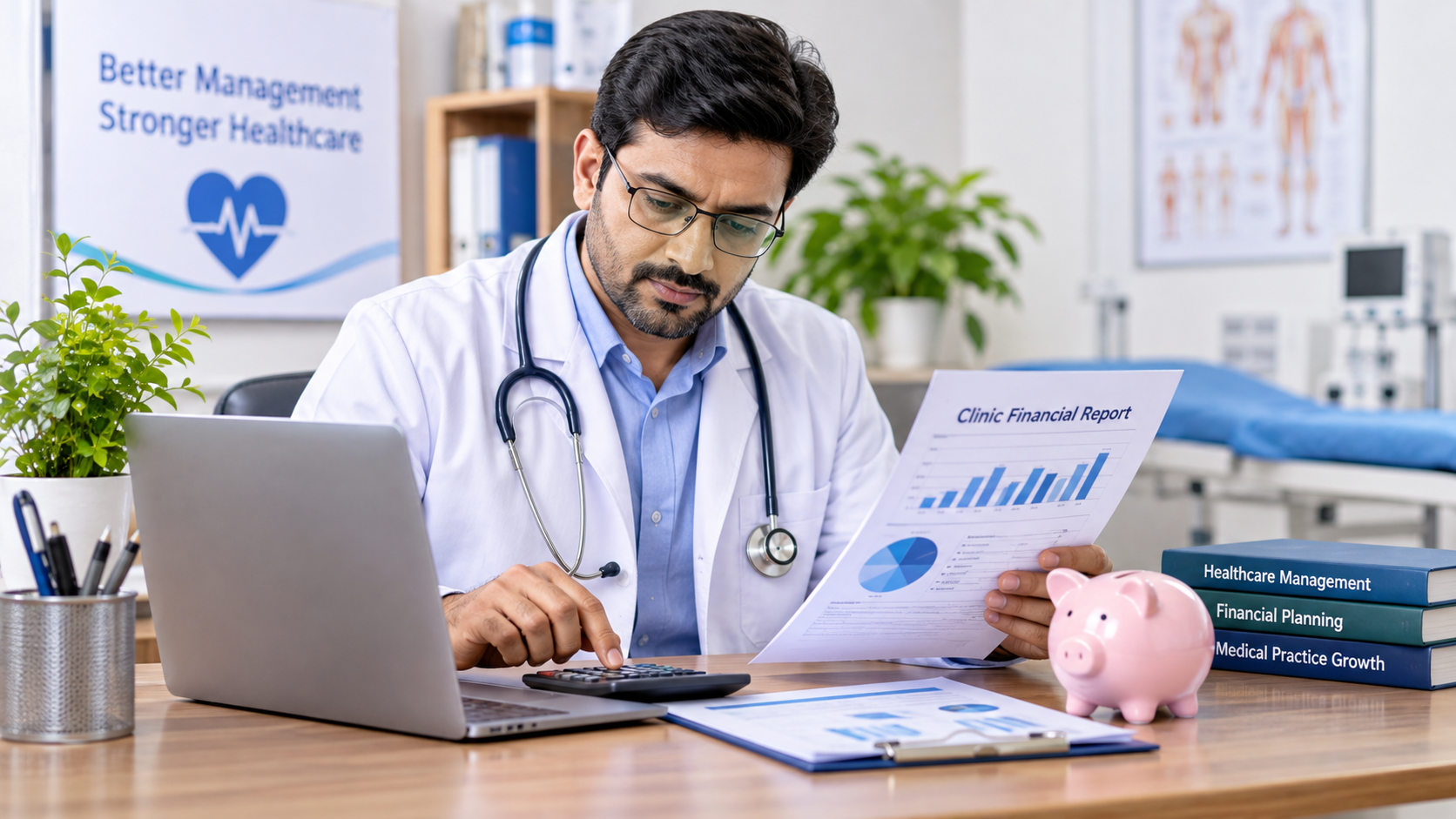
Financial Planning for Doctors: Clinic Management and Growth
Financial Planning for Doctors: How to Manage Clinic Finances and Build a Sustainable Medical PracticeRunning a successful medical practice requires more than clinical expertise and the ability to provide quality patient care. Doctors who establish their own clinics must also understand financial planning, expense management, revenue generation, and daily business operations.Many healthcare professionals focus primarily on treating patients but underestimate the financial and administrative responsibilities involved in managing a medical practice. Expenses such as rent, staff salaries, medical equipment, electricity, maintenance, and medical supplies can quickly add up. Without proper financial planning, even a clinic with a steady flow of patients may experience financial difficulties.Financial planning plays an important role in ensuring that a medical practice remains financially stable while continuing to deliver quality healthcare services.From preparing a realistic budget to managing cash flow and investing in technology, doctors need to develop essential financial management skills to build a sustainable practice.In this article, we explore the key aspects of financial planning and clinic management, practical strategies doctors can implement, and real-world healthcare case studies that demonstrate how better financial and operational management can improve clinic performance.Why Financial Planning Is Important for Medical PracticesFinancial planning helps doctors understand how much money their clinic earns, how much it spends, and where improvements can be made.A clinic may receive a considerable number of patients every day, but high patient volume does not automatically translate into financial stability. Poor expense management, delayed payments, inefficient billing, and unnecessary purchases can reduce profitability.Effective financial planning helps doctors:Understand their clinic's financial position.Prepare monthly and annual operating budgets.Control unnecessary expenses.Maintain sufficient cash flow.Plan investments in medical equipment and technology.Manage staff salaries and operational costs.Prepare for unexpected financial challenges.Identify opportunities for sustainable growth.Financial planning should not be treated as a one-time activity. Doctors should regularly review their clinic's financial performance and adjust their plans according to changing operational requirements.1. Understanding the Financial Needs of a Medical PracticeBefore establishing a clinic or expanding an existing one, doctors should understand the financial requirements involved in running the practice.These expenses can generally be divided into three categories.Initial Setup CostsThese are expenses incurred when establishing a new clinic.Common examples include:Renting or purchasing clinic space.Interior design and renovation.Medical equipment and diagnostic instruments.Furniture and waiting-room arrangements.Computers and practice management software.Licences, registrations, and professional services.The initial investment depends on the clinic's specialty, location, size, and services offered.Fixed Operating CostsFixed costs are recurring expenses that generally remain stable over a particular period.Examples include:Monthly rent.Staff salaries.Internet and software subscriptions.Insurance premiums.Equipment financing payments.Certain maintenance contracts.Understanding fixed expenses helps doctors calculate the minimum monthly revenue required to keep the clinic operational.Variable Operating CostsVariable expenses change depending on patient volume and clinical activities.These may include:Medical consumables.Diagnostic supplies.Laboratory materials.Utility consumption.Cleaning supplies.Equipment servicing and repairs.Separating expenses into these categories makes budgeting easier and helps doctors identify areas where cost management may be improved.2. Budgeting and Managing Clinic ExpensesA well-prepared budget provides a financial roadmap for a medical practice.Doctors should prepare a monthly operating budget that includes expected revenue, fixed expenses, variable expenses, and planned investments.For example, a small outpatient clinic may prepare a monthly budget covering rent, salaries, electricity, medical supplies, software, equipment maintenance, and other administrative costs.The actual figures will depend on the clinic's location, specialty, and size.Practical strategies for better expense managementTrack Every Expense: Maintain accurate records of purchases, payments, salaries, and other operational expenses.Review Supplier Agreements: Compare suppliers periodically and evaluate whether existing agreements provide appropriate value and quality.Monitor Inventory: Maintain an organised inventory system to avoid excessive purchasing, expired products, and unnecessary stock accumulation.Avoid Unnecessary Investments: Purchase equipment according to actual clinical requirements rather than investing in expensive technology that may remain underutilised.Review Monthly Performance: Compare actual expenses with the planned budget to identify unexpected increases.Expense management should never compromise patient safety, clinical quality, or the standards required for medical equipment and supplies.3. Setting Consultation Fees and Pricing Medical ServicesConsultation fees are an important component of a clinic's financial planning.Doctors should establish their pricing structure by considering the costs involved in providing services, their specialty, local market conditions, patient requirements, and applicable professional and regulatory considerations.A pricing decision should account for:Clinic rent and operational expenses.Staff and administrative costs.Medical equipment and maintenance.Time spent with each patient.The complexity of services provided.Local healthcare affordability.For example, a specialist clinic providing longer consultations or additional diagnostic services may have a different cost structure from a general outpatient practice.Doctors should regularly review their pricing structure to ensure that it remains financially sustainable and transparent to patients.It is equally important to communicate consultation charges and service costs clearly before providing services.4. Managing Cash Flow and Clinic RevenueCash flow is one of the most important aspects of clinic management.It refers to the movement of money into and out of a medical practice.A clinic may generate revenue through consultations, diagnostic services, procedures, health packages, and other legitimate medical services. However, delayed payments and poor financial tracking can create cash flow problems.For example, a clinic that provides services through insurance or third-party administrators may have to wait for reimbursement after submitting claims.During this period, the clinic still needs to pay salaries, rent, suppliers, and other operational expenses.Ways to improve cash flowMaintain accurate billing records.Collect payments promptly according to the clinic's payment policy.Submit insurance claims with complete and accurate documentation.Monitor pending payments regularly.Follow up on rejected or delayed claims.Maintain a monthly cash flow statement.Keep an appropriate financial reserve for unexpected expenses.Doctors should also distinguish between revenue generated, payments received, outstanding receivables, and actual operating profit.These figures provide different information about the financial health of a practice.5. Investing in Medical Equipment and TechnologyMedical equipment and digital technology are essential investments for modern healthcare practices.However, every investment should be evaluated according to its clinical value and financial impact.Before purchasing new equipment, doctors should consider:Initial purchase cost.Installation and maintenance expenses.Staff training requirements.Expected patient demand.Equipment lifespan.Potential revenue contribution.Clinical benefits and patient safety.Technology can also improve the administrative side of clinic management.For example, practice management systems can help organise appointments, maintain billing records, manage patient information, and monitor daily operations.Electronic health records can reduce dependence on paper-based documentation and make relevant patient information easier to access.The objective should not simply be to purchase more technology. It should be to identify solutions that improve efficiency, support better patient care, and provide long-term value.6. Managing Staff Salaries and Operational CostsStaff members play an important role in the daily functioning of a medical practice.Receptionists, nurses, administrative employees, technicians, and other healthcare professionals contribute to patient experience and clinic efficiency.However, staff salaries also represent a significant recurring expense.Doctors should plan staffing requirements according to patient volume, clinical services, operating hours, and administrative responsibilities.Important staff management considerationsDefine Roles and Responsibilities: Every employee should understand their responsibilities and reporting structure.Plan Staff Schedules: Organise shifts according to patient appointments and operational requirements.Invest in Training: Staff training can improve communication, documentation, billing accuracy, and patient coordination.Monitor Workload: Ensure that responsibilities are distributed appropriately to avoid unnecessary administrative pressure.Review Staffing Costs: Regularly evaluate whether staffing arrangements meet the clinic's operational needs without compromising service quality.Effective staff management improves both operational efficiency and the overall patient experience.7. Using Financial Reports to Make Better DecisionsDoctors should not depend only on their bank balance to evaluate the performance of their clinic.Financial reports provide a clearer understanding of how the practice is performing.Some important reports include:Profit and Loss StatementThis report summarises the clinic's income and expenses over a specific period. It helps doctors understand whether the practice is generating an operating profit or experiencing a loss.Cash Flow StatementThis report tracks the money entering and leaving the business. It helps identify potential liquidity problems.Balance SheetA balance sheet provides information about the clinic's assets, liabilities, and owner's equity at a particular point in time.Accounts Receivable ReportThis report tracks outstanding payments from patients, insurance providers, or other parties.Monthly Expense ReportThis report helps doctors identify where money is being spent and compare actual costs with the planned budget.Reviewing these reports regularly allows doctors to identify financial problems early and make better-informed decisions.8. Real-World Case Studies: How Better Financial Management Improves Healthcare OperationsUnderstanding financial management becomes easier when we examine real healthcare organisations that have improved their financial and operational performance through better systems and processes.The following examples demonstrate how effective revenue management, billing improvements, and operational planning can contribute to better financial outcomes.Case Study 1: Brownsville Community Health Centre – Improving Revenue CollectionOne useful example comes from the Brownsville Center, documented by The Commonwealth Fund.The organisation faced challenges in generating sufficient revenue to sustain its healthcare services. It participated in a Revenue Maximization (RevMax) Learning Collaborative to improve its collection processes and financial management.The programme focused on improving billing practices, reducing delays between service delivery and billing, addressing rejected claims, and strengthening internal financial controls.Reported results included:Average weekly cash receipts increased by 46%.Reimbursement per visit increased by 55%, from $78 to $121.Total revenue increased by 51%, representing an additional $345,000.Patient visit volume increased by 5%.This case demonstrates the importance of managing the complete revenue cycle rather than focusing only on attracting more patients.For independent medical practices, the key lesson is to maintain accurate billing records, collect payments efficiently, monitor rejected claims, and establish clear financial responsibilities.Source: The Commonwealth Fund – Revenue Maximization Program at the Brownsville CenterCase Study 2: Clinics of North Texas – Improving Revenue Cycle ManagementClinics of North Texas provides another example of how better revenue cycle management can improve financial performance.The practice worked with an external revenue cycle management team to improve billing operations, address denied claims, monitor payments, and identify documentation issues.The organisation also received support in tracking payer policy changes and improving its revenue collection processes.Reported results included:Annual revenue increased by 20% after the transition.Average days in accounts receivable decreased from 36 to 23.The proportion of accounts receivable under 90 days increased from 16% to 56%.Gross collection rate improved by 1.64 percentage points.The case highlights how accurate documentation, regular claim follow-up, and organised billing systems can reduce administrative inefficiencies.For doctors managing independent clinics, an important takeaway is that every consultation and service should be documented and billed accurately.Source: Medical Group Management Association (MGMA) – Using an RCM Solution to Maximize Revenue and Reduce Administrative BurdenCase Study 3: A Medical Group's Operational Transformation – Reducing Costs and Improving EfficiencyA case study published by Baker Tilly describes how a medical group improved its operations by introducing lean management principles.The organisation focused on improving appointment scheduling, organising clinical workspaces, managing inventory, and strengthening revenue cycle processes.These changes helped reduce operational inefficiencies and improve the use of available resources.Reported results included:More than 10,000 additional annual appointment opportunities.Approximately $155,000 saved through reduced appointment no-shows.More than 900 square feet of workspace reclaimed.Over 4,400 annual staff hours freed through revenue cycle improvements.An estimated $1.7 million in financial improvement since 2017.Although this example involves a larger medical group rather than a small independent clinic, its principles can be applied to practices of different sizes.Doctors can begin with simple improvements such as better appointment scheduling, inventory tracking, clearly assigned staff responsibilities, and organised billing workflows.Source: Baker Tilly – Case Study: Health System Becomes a Lean EnterpriseWhat Can Independent Doctors Learn from These Case Studies?These examples highlight several practical lessons:Increasing patient numbers is not the only way to improve financial performance. Better billing and collection processes also matter.Accurate documentation helps reduce billing errors and payment delays.Appointment scheduling and reminder systems can reduce avoidable operational losses.Inventory management can prevent unnecessary expenditure.Regular financial reporting helps identify problems before they become serious.Efficient administrative processes allow doctors and staff to spend more time on patient care.The results reported in these case studies relate to specific organisations and should not be treated as guaranteed outcomes for every clinic.9. Common Financial Mistakes Doctors Should AvoidEven experienced healthcare professionals can encounter financial difficulties when managing their own practices.Some common mistakes include:Mixing Personal and Business FinancesDoctors should maintain separate records and accounts for personal and clinic-related transactions. This makes financial tracking and accounting more organised.Not Preparing an Operating BudgetWithout a budget, it becomes difficult to identify unnecessary expenses or plan future investments.Ignoring Outstanding PaymentsUnpaid invoices and delayed reimbursements can create cash flow problems. Regular monitoring of outstanding payments is essential.Overinvesting in EquipmentPurchasing expensive equipment without evaluating patient demand, maintenance requirements, and expected utilisation can create unnecessary financial pressure.Ignoring Financial ReportsA clinic may appear busy while experiencing poor financial performance. Regularly reviewing financial statements helps doctors understand the actual position of their practice.Not Planning for Unexpected ExpensesEquipment breakdowns, emergency repairs, and temporary reductions in patient volume can affect clinic finances. Maintaining an appropriate financial reserve can help manage unexpected situations.10. Strategies for Long-Term Clinic GrowthFinancial stability is not only about reducing expenses. It also involves creating a sustainable operational model that supports future growth.Doctors can consider the following strategies:1. Develop a Long-Term Financial PlanPrepare financial projections for the next 12 months and review them periodically. Include expected revenue, operational expenses, planned investments, and potential risks.2. Improve Patient ExperienceClear communication, organised appointments, professional staff, and efficient clinic operations can support patient satisfaction and long-term trust.3. Use Digital Practice Management ToolsDigital systems can improve appointment scheduling, documentation, billing, and reporting.4. Monitor Clinic Performance IndicatorsTrack important indicators such as monthly revenue, operating expenses, patient no-show rates, outstanding payments, and appointment utilisation.5. Evaluate Expansion CarefullyBefore opening another branch or introducing a new service, evaluate the financial requirements, patient demand, staffing needs, and operational risks.6. Work With Financial ProfessionalsChartered accountants and qualified financial advisors can help doctors with accounting, taxation, compliance, financial forecasting, and investment planning.A combination of clinical expertise, financial awareness, and effective management can help build a sustainable medical practice.ConclusionFinancial planning is an essential part of managing a successful medical practice. Doctors need to understand not only how to provide quality healthcare but also how to manage the financial and operational responsibilities involved in running a clinic.From preparing budgets and controlling expenses to managing cash flow, investing in technology, and analysing financial reports, every aspect of financial management contributes to the long-term stability of a practice.The real-world case studies discussed in this article demonstrate that improvements in billing, revenue collection, scheduling, and operational efficiency can create meaningful financial benefits for healthcare organisations.However, every clinic has different requirements depending on its specialty, location, size, and patient population. Financial strategies should therefore be adapted to the specific needs of each practice.As healthcare continues to evolve, doctors who develop both clinical and management skills will be better prepared to establish sustainable practices, improve operational efficiency, and deliver quality patient care.Ultimately, successful clinic management is about maintaining the right balance between financial sustainability, operational efficiency, and patient-centred healthcare.

16 Hours Ago

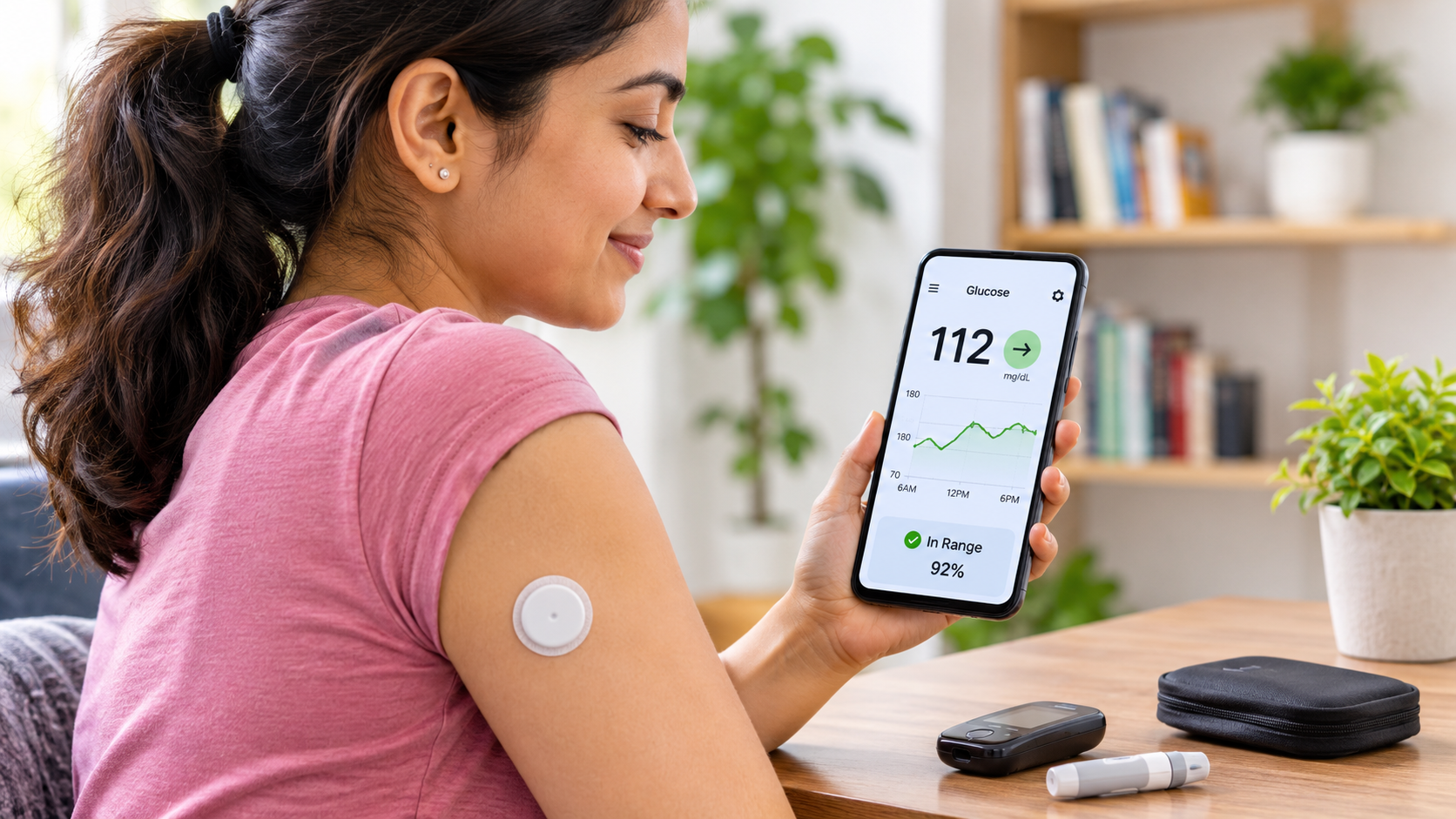
Beyond Blood Sugar: How Continuous Glucose Monitoring Is Transforming Diabetes Management
Diabetes management has evolved significantly over the years. Traditionally, people living with diabetes have relied on periodic finger-prick blood glucose tests to monitor their sugar levels. Although this method provides important information, it offers only a snapshot of blood glucose at a particular moment.But what happens to blood sugar levels between these tests? How do they change after meals, during physical activity, or while sleeping?This is where Continuous Glucose Monitoring (CGM) is making a difference.Continuous Glucose Monitoring is an advanced technology that allows individuals and healthcare professionals to track glucose levels throughout the day and night. By providing regular glucose readings, identifying patterns, and generating alerts, CGM offers a more comprehensive understanding of glucose fluctuations.As healthcare technology continues to advance, CGM is becoming an important tool in modern diabetes management.What Is Continuous Glucose Monitoring (CGM)?Continuous Glucose Monitoring is a method of tracking glucose levels using a small wearable medical device called a Continuous Glucose Monitor.Unlike traditional blood glucose monitoring, which requires a finger-prick blood sample, a CGM device uses a tiny sensor placed under the skin, commonly on the arm or abdomen, to measure glucose levels in the interstitial fluid (the fluid surrounding the body's cells).The device automatically estimates glucose levels at regular intervals, usually every few minutes, and sends the information to a connected smartphone, receiver, or other compatible device.This allows users to observe how glucose levels change throughout the day rather than relying only on occasional measurements.CGM technology is particularly useful because it provides information about glucose trends, including whether glucose levels are rising, falling, or remaining relatively stable.How Does Continuous Glucose Monitoring Work?A Continuous Glucose Monitoring system generally consists of three main components:1. SensorThe sensor is a small component placed just beneath the skin using an applicator. It measures glucose levels in the interstitial fluid and collects readings continuously.Depending on the device, the sensor may need replacement after a specified period.2. TransmitterThe transmitter collects information from the sensor and sends the glucose readings wirelessly to a compatible receiver or smartphone.Some modern CGM systems integrate the transmitter and sensor into a single wearable device.3. Display Device or Mobile ApplicationThe collected information is displayed through a smartphone application, dedicated receiver, or compatible insulin delivery system.Users can view current glucose estimates, historical readings, and graphical representations of glucose trends. Many systems also provide alerts when glucose levels move above or below predefined limits.It is important to understand that CGM measures glucose in interstitial fluid rather than directly measuring blood glucose. Therefore, readings may sometimes differ from finger-prick measurements, particularly when glucose levels are changing rapidly.What Makes CGM Different from Traditional Blood Glucose Monitoring?Traditional Self-Monitoring of Blood Glucose (SMBG) and Continuous Glucose Monitoring are both important methods of diabetes management. However, they provide different types of information.Traditional glucose monitoring provides individual readings at selected times, while CGM offers a continuous picture of glucose fluctuations.Some important differences include:Continuous tracking: CGM provides repeated glucose estimates throughout the day and night, helping identify changes that may occur between traditional tests.Glucose trend information: Instead of showing only a number, CGM systems display whether glucose levels are increasing, decreasing, or remaining stable.Alerts and notifications: Many devices can notify users when glucose levels cross specified thresholds.Reduced finger-prick testing: CGM can reduce the need for frequent finger-prick measurements, although access to a conventional blood glucose meter remains important.Historical glucose data: CGM applications generate reports that help healthcare professionals understand glucose patterns over time.These features make CGM a valuable addition to diabetes management, particularly for individuals who require closer glucose monitoring.Key Benefits of Continuous Glucose MonitoringThe introduction of CGM technology has created new opportunities for understanding and managing diabetes.Some of its major benefits include:1. Better Understanding of Glucose PatternsOne of the biggest advantages of CGM is its ability to identify glucose fluctuations throughout the day.For example, glucose levels may increase after meals, change during physical activity, or fluctuate overnight.By reviewing these patterns, healthcare professionals can better understand an individual's glucose behaviour and evaluate whether the existing management approach is effective.2. Early Identification of Glucose FluctuationsMany CGM devices provide alerts when glucose levels become too high or too low.These notifications can help users recognise potentially important changes and respond according to their healthcare professional's guidance.This feature can be particularly valuable for individuals who experience hypoglycaemia or have difficulty recognising changes in their glucose levels.3. Improved Diabetes ManagementCGM provides useful information that can support discussions about diet, physical activity, medication, and overall diabetes management.Healthcare professionals can review glucose trends and use this information, alongside other clinical findings, to make more informed management decisions.4. Monitoring During SleepGlucose levels can change even when an individual is sleeping.Traditional finger-prick testing may not capture all overnight fluctuations. CGM helps provide a clearer picture of glucose patterns during sleep, and certain devices can generate alerts for significant changes.5. Better Communication Between Patients and Healthcare ProfessionalsMany CGM systems allow glucose reports to be shared with healthcare professionals or caregivers.This information can support more informed consultations and help healthcare teams understand glucose patterns beyond what is available during a clinic visit.Understanding Time in Range (TIR): An Important CGM MeasurementOne of the most important developments associated with CGM is the introduction of Time in Range (TIR).Traditionally, HbA1c has been widely used to evaluate average blood glucose levels over approximately two to three months.Although HbA1c provides valuable information, it does not show how frequently glucose levels fluctuate or how much time an individual spends experiencing high or low glucose levels.Time in Range provides additional information.It represents the percentage of time an individual's glucose levels remain within a specified target range.For many non-pregnant adults with diabetes, the commonly used target range is:Below 70 mg/dL: Low glucose range.70–180 mg/dL: Target glucose range.Above 180 mg/dL: High glucose range.For many adults with diabetes, a commonly used goal is spending more than 70% of the day within the target range.However, these targets are not universal. They may vary depending on age, pregnancy, diabetes type, individual health conditions, and treatment goals.TIR provides healthcare professionals with another way to evaluate glucose management alongside HbA1c and other clinical measurements.Who Can Benefit from Continuous Glucose Monitoring?CGM can be useful for different groups of people living with diabetes, depending on their individual circumstances and treatment requirements.People with Type 1 DiabetesIndividuals with Type 1 diabetes often require insulin therapy and regular glucose monitoring. CGM can help them understand glucose fluctuations and identify patterns that may require attention.People with Type 2 DiabetesPeople with Type 2 diabetes, particularly those using insulin or medications associated with hypoglycaemia, may benefit from CGM.It can also provide useful information for evaluating glucose patterns and understanding the effects of different management approaches.Individuals Experiencing Frequent HypoglycaemiaPeople who experience repeated episodes of low blood glucose may benefit from CGM alerts, which can help identify potentially important glucose changes.Individuals Requiring Closer Glucose MonitoringHealthcare professionals may also consider CGM for individuals whose diabetes management requires more detailed glucose information.The decision to use CGM should be based on individual needs, treatment plans, device availability, affordability, and guidance from a qualified healthcare professional.Limitations of Continuous Glucose MonitoringAlthough CGM offers several advantages, it is important to understand that the technology also has certain limitations.1. Differences Between Blood and Interstitial GlucoseCGM measures glucose in interstitial fluid rather than directly in blood. Because glucose takes time to move between these compartments, readings may show a delay during rapid glucose changes.2. Device AccuracyLike other medical devices, CGM systems are not perfectly accurate in every situation. Certain readings may not match an individual's symptoms or expectations.When readings do not match how a person feels, or when device instructions recommend confirmation, a conventional blood glucose test may be necessary.3. Cost and AccessibilityThe cost of CGM devices and replacement sensors can be a barrier for some individuals.Availability, affordability, and access to compatible smartphones or other devices may also influence their use, particularly in resource-limited settings.4. Skin Irritation and Sensor IssuesSome users may experience skin irritation, discomfort, or difficulties keeping the sensor attached.Proper application, device maintenance, and following manufacturer instructions are important.5. Understanding and Interpreting the DataCGM generates a considerable amount of information. However, collecting glucose data alone does not automatically improve diabetes management.Users and healthcare professionals need to understand how to interpret glucose trends, recognise meaningful patterns, and make appropriate decisions.CGM should support clinical judgement rather than replace it.The Role of Healthcare Professionals in CGM-Based Diabetes ManagementTechnology is most effective when combined with appropriate medical knowledge and professional guidance.Healthcare professionals play an important role in helping individuals understand and use CGM information correctly.Doctors and diabetes care teams can:Evaluate whether CGM is appropriate for an individual.Explain glucose trends and Time in Range.Review episodes of high and low glucose.Understand patterns associated with meals, physical activity, and medication.Educate patients about device alerts and limitations.Use CGM reports alongside HbA1c and other clinical information.Healthcare professionals should also remain familiar with current diabetes technology guidelines and understand the differences between available monitoring systems.As CGM becomes increasingly integrated into diabetes care, developing the knowledge to interpret its data will become an important part of modern clinical practice.The Future of Continuous Glucose MonitoringThe future of CGM is closely connected with advancements in digital healthcare, artificial intelligence, and automated insulin delivery systems.Modern diabetes technology is moving beyond simply collecting glucose readings.Some advanced systems integrate CGM with insulin pumps to create Automated Insulin Delivery (AID) systems. These systems use glucose information to help adjust insulin delivery according to programmed settings and individual requirements.Artificial intelligence and data analytics may also create opportunities to identify glucose patterns, support personalised insights, and improve the interpretation of large amounts of monitoring data.Another important area of development is improving device accessibility, affordability, accuracy, and ease of use.As these technologies continue to evolve, CGM may become an increasingly important component of personalised diabetes management.However, technological advancement must always be supported by clinical evidence, appropriate patient education, and professional oversight.ConclusionContinuous Glucose Monitoring represents an important advancement in diabetes management. By providing continuous glucose information, identifying trends, and offering alerts, CGM helps individuals and healthcare professionals develop a more comprehensive understanding of glucose fluctuations.Its ability to provide information about Time in Range, overnight glucose patterns, and daily fluctuations makes it a valuable complement to traditional glucose monitoring and HbA1c testing.However, successful diabetes management requires more than technology. Understanding glucose data, interpreting clinical patterns, and making appropriate decisions remain essential.As healthcare continues to embrace digital innovation, knowledge of technologies like CGM will become increasingly important for doctors and healthcare professionals.The future of diabetes care will not depend only on measuring glucose levels, but also on understanding the information behind those measurements and using it to support better-informed healthcare decisions.

2 Days Ago

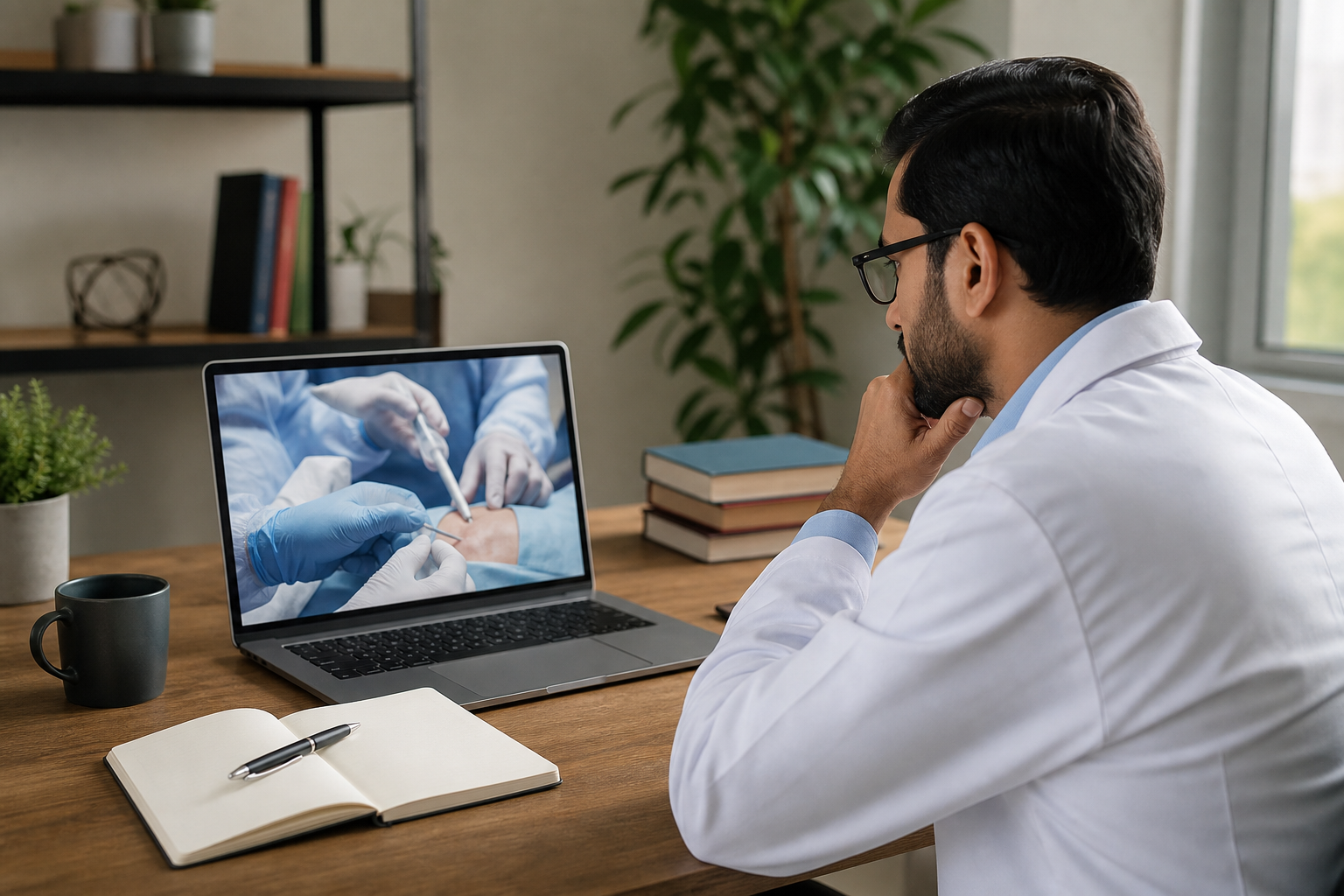
Online Clinical Courses for Doctors to Build Practical Skills
Doctors and healthcare professionals need to keep developing their clinical knowledge, but finding time for education alongside patient care can be difficult. Online clinical courses for doctors offer a flexible way to study relevant topics, revisit difficult concepts, and apply learning to everyday practice.The most useful courses do more than present information. They connect clinical skills with real decisions, help learners understand how technology can support care, and address the practical side of developing a sustainable medical practice. The right course should fit your goals, your current level of experience, and the way you want to use what you learn.Rigomo provides practical online courses for doctors and healthcare professionals in three connected areas: clinical skills, AI and digital practice, and practice growth. This combination allows professionals to focus on better patient care while also building capabilities that support long-term professional development.What Are Online Clinical Courses for Doctors?Online clinical courses for doctors are structured learning programmes delivered through digital platforms. They are designed to help medical professionals strengthen clinical knowledge, improve practical decision-making, or develop skills that can be used in patient care.Unlike broad medical content, a focused online course is built around a defined learning objective. For example, a course might help a doctor review a clinical approach, understand a new digital workflow, or think more clearly about how technology can be used in practice. The value comes from linking the subject to professional action rather than learning facts in isolation.Online learning may be particularly useful for professionals who need flexibility. You can compare course topics, choose education that reflects your current needs, and study when it is realistic to do so. However, convenience should not be the only selection criterion. A course is more valuable when its subject matter is relevant, its explanations are practical, and its learning can be carried into your professional setting.Why Practical Online Medical Education MattersProfessional development has a direct connection to the quality and consistency of clinical work. Learning can help doctors review established approaches, explore useful tools, and identify ways to improve the experience of delivering care. It can also encourage more deliberate reflection on how clinical and operational decisions affect patients.Practical education is different from simply collecting information. It asks questions such as:How does this knowledge influence a clinical decision?What would applying this approach look like in day-to-day work?Which parts of the learning are immediately relevant, and which require further study?How can digital tools support care without replacing professional judgement?These questions make online medical education more useful because they move the learner from passive consumption towards thoughtful application. A doctor may finish a lesson with a clearer framework for approaching a clinical issue, a better understanding of a digital option, or a more structured plan for improving practice.Education should always be considered alongside professional standards, current guidance, local requirements, and the needs of individual patients. An online course can support development, but it does not replace clinical judgement, appropriate supervision, or the responsibility to use reliable information in context.Three Areas to Consider When Choosing a CourseClinical skillsClinical skills courses can help doctors revisit the knowledge and approaches that underpin patient care. When comparing a course, look for a clear explanation of what skill or area it addresses and how the material relates to clinical work.A useful clinical course should encourage you to think through the reasoning behind an approach, not only memorise a list of facts. Consider whether the course helps you recognise relevant information, structure your thinking, and identify questions that may need further investigation.Clinical learning is often most valuable when it reflects the realities of practice. Look for material that acknowledges uncertainty, variation between patients, and the importance of adapting decisions to the situation in front of you.AI and digital practiceArtificial intelligence and digital tools are becoming increasingly relevant to healthcare professionals. Doctors may need to understand what these tools are intended to do, where they may be useful, and what professional considerations should guide their use.Courses in AI and digital practice can support a more informed approach to technology. Instead of treating digital tools as automatically beneficial, learners can evaluate how a tool fits into care, communication, documentation, or other parts of professional work. They can also consider where human oversight remains essential.When assessing a digital practice course, ask whether it explains the practical implications of adoption. A strong learning experience should help you think about workflow, responsible use, limitations, and the effect on patients and healthcare professionals—not just the technical vocabulary.Practice growthClinical quality and practice development are closely related. Doctors and healthcare professionals may also need skills that help them organise their work, communicate value clearly, and create a more sustainable professional environment.Practice growth education can address the thinking behind development rather than promising a one-size-fits-all result. The right course should help you connect professional goals with the needs of the people you serve. It may also encourage a clearer view of how patient care, service design, communication, and operational decisions work together.For a busy professional, studying these three areas together can provide a broader perspective. Clinical skills support care directly, digital knowledge helps you assess new possibilities, and practice growth can help create the conditions for continued improvement.How to Choose the Right Online Clinical CourseBefore enrolling in an online clinical course for doctors, define what you want the learning to achieve. A specific objective makes it easier to judge whether a course is suitable and whether the time required is worthwhile.Identify the gap. Decide whether you need to strengthen a clinical skill, understand AI and digital practice, or address a practice-development priority.Check the level. Consider whether the course is appropriate for your current knowledge and professional responsibilities. Material that is too basic may not be useful, while material that assumes advanced knowledge may be difficult to apply.Review the practical focus. Look for clear learning outcomes and an explanation of how the subject relates to real professional decisions or workflows.Consider flexibility. Think about when and how you will study. A course should fit realistically around patient care and other responsibilities.Plan for application. Decide in advance how you will use the learning. This might involve reviewing a process, discussing an idea with colleagues, or identifying a question for further professional study.It is also sensible to consider how the course fits into your broader development. One short course may answer an immediate need, while a sequence of learning across related topics may better support a longer-term goal. The best choice depends on what you are trying to improve now.Making Online Learning Fit Around Clinical WorkOnline education is flexible, but flexibility does not automatically create time. A simple plan can make it easier to study consistently without allowing education to become another source of pressure.Start by setting a clear purpose for the course. Write down the professional question you want it to help answer. Then divide the learning into manageable sessions that fit your schedule. Short, focused study periods can be more realistic than waiting for a large block of uninterrupted time.Keep notes focused on application. Rather than recording every detail, capture the ideas that change how you understand a problem or suggest a useful next step. You can organise notes under three headings: what I learned, what I need to verify, and how this may affect my practice.After completing a section, pause before moving on. Ask what you would do differently, what remains unclear, and whether the material raises any patient-safety or professional questions. This reflection helps turn online learning into an active part of development.Where appropriate, discuss relevant learning with colleagues. Professional conversation can reveal different perspectives and help you separate a useful general principle from an idea that needs careful adaptation to a particular setting. Any change to clinical practice should be considered responsibly and in line with applicable requirements and guidance.Examples of Useful Learning GoalsA course is easier to evaluate when the goal is expressed in practical terms. “Learn more about AI” is broad. “Understand how to assess a digital tool before considering its use in professional work” is more specific and gives you a clearer basis for judging progress.Other examples of focused goals include:Strengthen a clinical approach that is relevant to your current responsibilities.Build a clearer framework for thinking through clinical information and decisions.Understand how AI may affect medical workflows and where professional judgement remains necessary.Identify ways to use digital practice thoughtfully while keeping patient care central.Clarify how practice-growth decisions can support professional goals and the needs of patients.These goals do not assume that a course will solve every challenge. They give your learning a direction and help you decide what further education, discussion, or review may be appropriate.How Rigomo Supports Professional DevelopmentRigomo is an online medical education platform for doctors and healthcare professionals. Its practical online courses focus on clinical skills, AI and digital practice, and practice growth, giving learners the opportunity to develop across areas that influence both patient care and professional work.This broad focus can be useful if you are looking for education that goes beyond a single narrow topic. You can approach learning through the area that matches your immediate priority, whether that is strengthening clinical capability, becoming more informed about technology, or thinking about how to develop your practice.Rigomo’s emphasis on practical courses also reflects an important principle: professional education should connect with the work healthcare professionals actually do. As you review available learning, consider which topic best matches your current needs and how you will apply the ideas responsibly in your own context.Turn Learning Into Your Next Professional StepOnline clinical courses for doctors can make professional development more accessible and more focused, especially when the learning is practical and connected to patient care. The strongest choice is not necessarily the broadest course or the most advanced-sounding topic. It is the one that addresses a genuine need, fits your circumstances, and helps you think more clearly about your next step.Begin by identifying the skill or question you want to develop. Then compare the course focus, practical relevance, level, and flexibility before committing your time. Explore Rigomo’s online medical education courses to find a focused way to support your clinical skills, digital practice, or practice growth.

Thu, 27 Aug 2026

All blogs