Published - 10 Hours Ago
Beyond Blood Sugar: How Continuous Glucose Monitoring Is Transforming Diabetes Management
Diabetes management has evolved significantly over the years. Traditionally, people living with diabetes have relied on periodic finger-prick blood glucose tests to monitor their sugar levels. Although this method provides important information, it offers only a snapshot of blood glucose at a particular moment.
But what happens to blood sugar levels between these tests? How do they change after meals, during physical activity, or while sleeping?
This is where Continuous Glucose Monitoring (CGM) is making a difference.
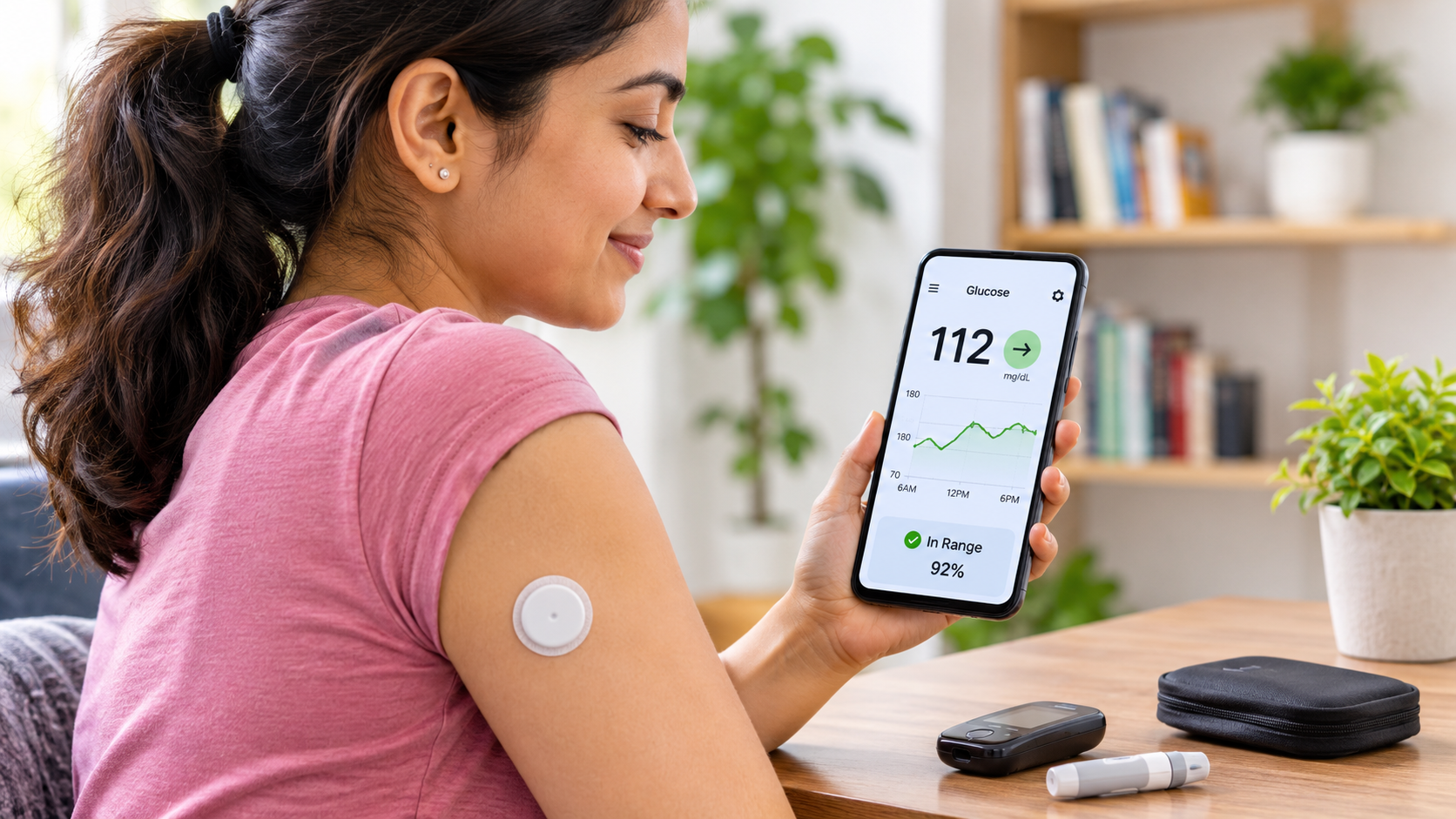
Continuous Glucose Monitoring is an advanced technology that allows individuals and healthcare professionals to track glucose levels throughout the day and night. By providing regular glucose readings, identifying patterns, and generating alerts, CGM offers a more comprehensive understanding of glucose fluctuations.
As healthcare technology continues to advance, CGM is becoming an important tool in modern diabetes management.
What Is Continuous Glucose Monitoring (CGM)?
Continuous Glucose Monitoring is a method of tracking glucose levels using a small wearable medical device called a Continuous Glucose Monitor.
Unlike traditional blood glucose monitoring, which requires a finger-prick blood sample, a CGM device uses a tiny sensor placed under the skin, commonly on the arm or abdomen, to measure glucose levels in the interstitial fluid (the fluid surrounding the body's cells).
The device automatically estimates glucose levels at regular intervals, usually every few minutes, and sends the information to a connected smartphone, receiver, or other compatible device.
This allows users to observe how glucose levels change throughout the day rather than relying only on occasional measurements.
CGM technology is particularly useful because it provides information about glucose trends, including whether glucose levels are rising, falling, or remaining relatively stable.
How Does Continuous Glucose Monitoring Work?
A Continuous Glucose Monitoring system generally consists of three main components:
1. Sensor
The sensor is a small component placed just beneath the skin using an applicator. It measures glucose levels in the interstitial fluid and collects readings continuously.
Depending on the device, the sensor may need replacement after a specified period.
2. Transmitter
The transmitter collects information from the sensor and sends the glucose readings wirelessly to a compatible receiver or smartphone.
Some modern CGM systems integrate the transmitter and sensor into a single wearable device.
3. Display Device or Mobile Application
The collected information is displayed through a smartphone application, dedicated receiver, or compatible insulin delivery system.
Users can view current glucose estimates, historical readings, and graphical representations of glucose trends. Many systems also provide alerts when glucose levels move above or below predefined limits.
It is important to understand that CGM measures glucose in interstitial fluid rather than directly measuring blood glucose. Therefore, readings may sometimes differ from finger-prick measurements, particularly when glucose levels are changing rapidly.
What Makes CGM Different from Traditional Blood Glucose Monitoring?
Traditional Self-Monitoring of Blood Glucose (SMBG) and Continuous Glucose Monitoring are both important methods of diabetes management. However, they provide different types of information.
Traditional glucose monitoring provides individual readings at selected times, while CGM offers a continuous picture of glucose fluctuations.
Some important differences include:
Continuous tracking: CGM provides repeated glucose estimates throughout the day and night, helping identify changes that may occur between traditional tests.
Glucose trend information: Instead of showing only a number, CGM systems display whether glucose levels are increasing, decreasing, or remaining stable.
Alerts and notifications: Many devices can notify users when glucose levels cross specified thresholds.
Reduced finger-prick testing: CGM can reduce the need for frequent finger-prick measurements, although access to a conventional blood glucose meter remains important.
Historical glucose data: CGM applications generate reports that help healthcare professionals understand glucose patterns over time.
These features make CGM a valuable addition to diabetes management, particularly for individuals who require closer glucose monitoring.
Key Benefits of Continuous Glucose Monitoring
The introduction of CGM technology has created new opportunities for understanding and managing diabetes.
Some of its major benefits include:
1. Better Understanding of Glucose Patterns
One of the biggest advantages of CGM is its ability to identify glucose fluctuations throughout the day.
For example, glucose levels may increase after meals, change during physical activity, or fluctuate overnight.
By reviewing these patterns, healthcare professionals can better understand an individual's glucose behaviour and evaluate whether the existing management approach is effective.
2. Early Identification of Glucose Fluctuations
Many CGM devices provide alerts when glucose levels become too high or too low.
These notifications can help users recognise potentially important changes and respond according to their healthcare professional's guidance.
This feature can be particularly valuable for individuals who experience hypoglycaemia or have difficulty recognising changes in their glucose levels.
3. Improved Diabetes Management
CGM provides useful information that can support discussions about diet, physical activity, medication, and overall diabetes management.
Healthcare professionals can review glucose trends and use this information, alongside other clinical findings, to make more informed management decisions.
4. Monitoring During Sleep
Glucose levels can change even when an individual is sleeping.
Traditional finger-prick testing may not capture all overnight fluctuations. CGM helps provide a clearer picture of glucose patterns during sleep, and certain devices can generate alerts for significant changes.
5. Better Communication Between Patients and Healthcare Professionals
Many CGM systems allow glucose reports to be shared with healthcare professionals or caregivers.
This information can support more informed consultations and help healthcare teams understand glucose patterns beyond what is available during a clinic visit.
Understanding Time in Range (TIR): An Important CGM Measurement
One of the most important developments associated with CGM is the introduction of Time in Range (TIR).
Traditionally, HbA1c has been widely used to evaluate average blood glucose levels over approximately two to three months.
Although HbA1c provides valuable information, it does not show how frequently glucose levels fluctuate or how much time an individual spends experiencing high or low glucose levels.
Time in Range provides additional information.
It represents the percentage of time an individual's glucose levels remain within a specified target range.
For many non-pregnant adults with diabetes, the commonly used target range is:
Below 70 mg/dL: Low glucose range.
70–180 mg/dL: Target glucose range.
Above 180 mg/dL: High glucose range.
For many adults with diabetes, a commonly used goal is spending more than 70% of the day within the target range.
However, these targets are not universal. They may vary depending on age, pregnancy, diabetes type, individual health conditions, and treatment goals.
TIR provides healthcare professionals with another way to evaluate glucose management alongside HbA1c and other clinical measurements.
Who Can Benefit from Continuous Glucose Monitoring?
CGM can be useful for different groups of people living with diabetes, depending on their individual circumstances and treatment requirements.
People with Type 1 Diabetes
Individuals with Type 1 diabetes often require insulin therapy and regular glucose monitoring. CGM can help them understand glucose fluctuations and identify patterns that may require attention.
People with Type 2 Diabetes
People with Type 2 diabetes, particularly those using insulin or medications associated with hypoglycaemia, may benefit from CGM.
It can also provide useful information for evaluating glucose patterns and understanding the effects of different management approaches.
Individuals Experiencing Frequent Hypoglycaemia
People who experience repeated episodes of low blood glucose may benefit from CGM alerts, which can help identify potentially important glucose changes.
Individuals Requiring Closer Glucose Monitoring
Healthcare professionals may also consider CGM for individuals whose diabetes management requires more detailed glucose information.
The decision to use CGM should be based on individual needs, treatment plans, device availability, affordability, and guidance from a qualified healthcare professional.
Limitations of Continuous Glucose Monitoring
Although CGM offers several advantages, it is important to understand that the technology also has certain limitations.
1. Differences Between Blood and Interstitial Glucose
CGM measures glucose in interstitial fluid rather than directly in blood. Because glucose takes time to move between these compartments, readings may show a delay during rapid glucose changes.
2. Device Accuracy
Like other medical devices, CGM systems are not perfectly accurate in every situation. Certain readings may not match an individual's symptoms or expectations.
When readings do not match how a person feels, or when device instructions recommend confirmation, a conventional blood glucose test may be necessary.
3. Cost and Accessibility
The cost of CGM devices and replacement sensors can be a barrier for some individuals.
Availability, affordability, and access to compatible smartphones or other devices may also influence their use, particularly in resource-limited settings.
4. Skin Irritation and Sensor Issues
Some users may experience skin irritation, discomfort, or difficulties keeping the sensor attached.
Proper application, device maintenance, and following manufacturer instructions are important.
5. Understanding and Interpreting the Data
CGM generates a considerable amount of information. However, collecting glucose data alone does not automatically improve diabetes management.
Users and healthcare professionals need to understand how to interpret glucose trends, recognise meaningful patterns, and make appropriate decisions.
CGM should support clinical judgement rather than replace it.
The Role of Healthcare Professionals in CGM-Based Diabetes Management
Technology is most effective when combined with appropriate medical knowledge and professional guidance.
Healthcare professionals play an important role in helping individuals understand and use CGM information correctly.
Doctors and diabetes care teams can:
Evaluate whether CGM is appropriate for an individual.
Explain glucose trends and Time in Range.
Review episodes of high and low glucose.
Understand patterns associated with meals, physical activity, and medication.
Educate patients about device alerts and limitations.
Use CGM reports alongside HbA1c and other clinical information.
Healthcare professionals should also remain familiar with current diabetes technology guidelines and understand the differences between available monitoring systems.
As CGM becomes increasingly integrated into diabetes care, developing the knowledge to interpret its data will become an important part of modern clinical practice.
The Future of Continuous Glucose Monitoring
The future of CGM is closely connected with advancements in digital healthcare, artificial intelligence, and automated insulin delivery systems.
Modern diabetes technology is moving beyond simply collecting glucose readings.
Some advanced systems integrate CGM with insulin pumps to create Automated Insulin Delivery (AID) systems. These systems use glucose information to help adjust insulin delivery according to programmed settings and individual requirements.
Artificial intelligence and data analytics may also create opportunities to identify glucose patterns, support personalised insights, and improve the interpretation of large amounts of monitoring data.
Another important area of development is improving device accessibility, affordability, accuracy, and ease of use.
As these technologies continue to evolve, CGM may become an increasingly important component of personalised diabetes management.
However, technological advancement must always be supported by clinical evidence, appropriate patient education, and professional oversight.
Conclusion
Continuous Glucose Monitoring represents an important advancement in diabetes management. By providing continuous glucose information, identifying trends, and offering alerts, CGM helps individuals and healthcare professionals develop a more comprehensive understanding of glucose fluctuations.
Its ability to provide information about Time in Range, overnight glucose patterns, and daily fluctuations makes it a valuable complement to traditional glucose monitoring and HbA1c testing.
However, successful diabetes management requires more than technology. Understanding glucose data, interpreting clinical patterns, and making appropriate decisions remain essential.
As healthcare continues to embrace digital innovation, knowledge of technologies like CGM will become increasingly important for doctors and healthcare professionals.
The future of diabetes care will not depend only on measuring glucose levels, but also on understanding the information behind those measurements and using it to support better-informed healthcare decisions.
Created by

Rigomo Team
Rigomo is a leading online education platform that offers a wide range of courses to help individuals enhance their skills and achieve their career goals. With our user-friendly interface and expert instructors, we strive to provide high-quality education to everyone, anytime and anywhere. Join us today and take the first step towards a brighter future.
Rigomo is an e-learning platform that was founded in 2019 by a team of dedicated professionals with a passion for revolutionizing the way people learn. The platform offers a range of online courses that cover various industries, including business, technology, healthcare, and more.
Rigomo's courses are designed to be interactive and engaging, with a focus on practical skills that learners can apply in their careers. The platform uses a combination of video lectures, quizzes, and hands-on projects to help learners master the subject matter.
Rigomo is committed to providing affordable and accessible education to people around the world. The platform offers a range of pricing options, including monthly and annual subscriptions, as well as pay-as-you-go options for individual courses.
Since its launch, Rigomo has received numerous accolades for its innovative approach to e-learning. The platform has helped thousands of learners across the globe acquire new skills and advance their careers.
As Rigomo continues to grow, the team remains committed to providing high-quality education that is accessible to all. The platform is constantly updating its courses and features to ensure that learners have access to the latest tools and technologies.
Comments (0)
Search
Popular categories
Health and Wellness
233Skill Development
7Technology
5Community Impact
2Success story
2Creativity
1Latest blogs
Beyond Blood Sugar: How Continuous Glucose Monitoring Is Transforming Diabetes Management
10 Hours Ago
Online Clinical Courses for Doctors to Build Practical Skills
Thu, 27 Aug 2026

DeepSchool: The Story of an Idea That Refused to Sit Still
Tue, 02 Dec 2025
Write a public review