Where possibilities begin | Rigomo

Where possibilities begin

We’re a leading marketplace platform for learning and teaching online. Explore some of our most popular content and learn something new.
Total 255 Blogs
What is Diabetes, its main symptoms, and causes?

Created by - Rigomo Team

What is Diabetes, its main symptoms, and causes?

Diabetes is a complex metabolic disorder that lasts for a lifetime. In this disease, the bloodglucose level of the body becomes very high. This could happen due to an insufficient amountof insulin or body cells are unable to use and function properly with whatever insulin is presentin the body.Effect Of Insulin On Glucose MetabolismWhen we eat, our body gets glucose which our cell uses to give energy to the body. If there isno insulin in the body, then they are not able to do their work properly as Insulin is essentialto transport glucose from the blood to the cells. If glucose is not taken up by cells, glucosestays in the blood. The state of excess sugar or glucose in the blood is called High blood sugaror hyperglycemia, which can prove to be harmful.What are the Types of Diabetes?If we talk about diabetes, then generally they are of 3 types1) Type 1 diabetes2) Type-2 diabetes3) Gestational DiabetesWhat are the causes of diabetes?When our body is not able to use the glucose or sugar present in the blood properly. Then thestate of hyperglycemia sets in resulting in Diabetes. Generally, the main causes of diabetescan be- Lack of insulin History of pre-diabetes Family history of Diabetes Aging High cholesterol level Lack of physical activity/sedentary lifestyle Hormonal imbalance Poor eating habitsWhat are the symptoms of diabetes?Usually, the person with diabetes presents with symptoms such as: Excessive thirst  Frequent urination  Increased appetite  Sudden increase or decrease in body weight  Feeling tired  Being irritable  The frequent blurring of the eyes  Wounds take a long time to heal  Having a skin infection repeatedly  More susceptible to having oral infections.

More details

Published - Sat, 19 Mar 2022

Sleep majorly impacts everyone’s life and has a major role in improving quality of life

Created by - Rigomo Team

Sleep majorly impacts everyone’s life and has a major role in improving quality of life

What is the role of sleep? Good quality, uninterrupted sound sleep is essential to maintaining good health. Lack of quality sleep negatively affects mental as well as physical health. Research has proved that poor sleep can cause poor concentration, memory loss, weak immunity, increased risk of developing diabetes, high blood pressure, and associated risk of heart diseases are also increased. Not only this, studies have shown that if you don’t sleep well, the anti-diabetic or antihypertensive medicines don’t work effectively necessitating an increase in the dose of drugs. Whereas, good deep sleep improves metabolism, enhances immunity, and regulates blood pressure changes. Circadian rhythm The body’s internal process naturally regulates the sleep-wake cycle in response to light and dark environments and repeats itself every 24 hours. Different body organs are also reacting according to this internal biological clock, for example, the lungs are maximally active in the early mornings [4 am to 6 am], that is why if deep breathing exercises are performed at this time, they effectively help increase the lung capacity and improve lung function. Similarly, sleep is also affected by this clock. Is there any time that would help in sleeping better? It's better if one sleeps between 9 pm to 10 pm till 5 – 6 am to have good health. The entire energy forces are working together in reviving the various organs of the body, so sleeping at this time helps in healing and rejuvenation of the body, thereby improving overall health. The body is prepared to take rest at this time, eating or having food at this time disturbs the normal pattern. It put extra stress on the system to digest food at this time, which may negatively affect the metabolism processes leading to health issues in the long run Snoring and sleep apnoea is a sleep disorder characterized by interrupted breathing during sleep resulting in repeated awakenings. It is commonly seen in obese individuals where breathing repeatedly stops and starts again and presents as snoring or periodic gasping for air while sleeping. This issue is increasingly observed in the younger generation too nowadays. Snoring is characteristically seen as a sign of aging, so you should be worried about snoring… since it implies that you are aging faster… How do you improve the quality of sleep? 1. Have a light meal at dinner and consume it early, at least 3 hours before going to bed. Late-night heavy meals and excessive eating followed by sleeping immediately put pressure on the diaphragm which may cause breathing difficulty and Snoring, hence affecting sleep quality 2. Respect your biological clock 3. Stay away from electronic devices before going to bed 4. Have enough water till 6 pm, don’t consume more water late in the evening .

More details

Published - Mon, 11 Apr 2022

Control Your Blood Sugar Naturally At Your Home

Created by - Rigomo Team

Control Your Blood Sugar Naturally At Your Home

In today's fast-paced lifestyle, most people prefer to eat fast food. A hectic, busy schedule and work pressure do not allow people to do any exercise and yoga. The increasing stress and poor lifestyle choices impact the physical and mental well-being of an individual. People face so many health issues such as diabetes, obesity, hypertension, etc. If you are suffering from diabetes or pre-diabetes, this is the time to take control and make changes in your lifestyle to control blood sugar. We proposed a few yoga poses and exercises which are useful and help you to control your diabetes. Best Yoga And Excercise For Diabetes Patients Before knowing the yoga asanas which will be helpful to control the sugar and progression of diabetes. Certain factors that may increase the development of diabetes include: 1. Unhealthy diet patterns 2. Lack of physical exercises 3. Psychological stress Lifestyle modification that includes a balanced diet along with physical activity keeps a check on the progression of the disease and reduces stress. The best yoga asanas for controlling sugar in diabetes are: 1. Dhanurasana (BOW POSE): This pose is very helpful in strengthening and regulating the pancreas. That means this pose is helpful for people with diabetes. Moreover, it boosts digestion, prevents stomach cramps, and strengthens abdomen muscles. 2. Balasana (child pose): This pose includes the use of rotator muscles, spinal extensors, hamstrings. It is also beneficial in relieving stress, fatigue, and neck pain. It also makes you relax and helps in increasing the production of insulin-producing beta cells. 3. Bhujangasana (upward-facing dog pose): Your spinal extensor, triceps brachii, and quadriceps muscles work together in this pose. It improves blood circulation, increases energy levels, and improves insulin sensitivity. 4. Shavasana (Corpse pose): It is eventually the resting pose. It makes your body cool and calms down your mind. It makes your mind process the workout and gives its benefits to your body. Make sure to do this pose at end of the yoga session.

More details

Published - Tue, 12 Apr 2022

Everything You Need to Know About Anxiety

Created by - Rigomo Team

Everything You Need to Know About Anxiety

Anxiety harms the entire body in addition to injuring the brain. Anxiety is common in this fast pace life. Lack of trust in relationships, race to get ahead of each other, feeling insecure, fighting and arguing, experiencing wrong behavior, staying isolated [away from society], and being absorbed in one's own life are all the reasons for restlessness. Anxiety occurs in everyone but it is difficult to know if a person has this as a mental disorder. If any negative thought or problem persists for a long time and starts upsetting your life, then it is really dangerous. What is Anxiety? Anxiety is born out of despair, sadness, and depression. When we ignore our feelings, they can lead to unhappiness. Similarly, hopelessness can take the form of anxiety if ignored. In this situation, the person is always scared that something wrong is going to happen. These are panic attacks. Anxiety attacks make a person feel anxious, afraid, and nervous all the time. Apart from this, the problem of vomiting and nausea is also felt, the heartbeat becomes faster and breathlessness starts. If this happens again and again, then talk to a doctor immediately, otherwise, it can become a very serious issue.. Ideas should always be entertained up to a certain level. Nothing should exceed the limit. As long as thought does not bother you, it is normal, but when a thought or thought goes above a certain level and starts surprising or disturbing you, keeps you awake in the night, you are not able to concentrate on your work, then it is a matter of concern. What is the type of anxiety:- Panic disorder:- Facing frequent panic attacks at unpredicted times. A person with panic disorder may be living in fear of the next attack. Phobia:- Facing the fear of a specific object, situation, or activity [or example fear of darkness, fear of heights] Social anxiety disorder:- fear of being judged by others. Obsessive-compulsive disorder:- Recurring illogical thoughts that can lead to repeated behaviors Separation anxiety disorder:- Fear of being away from home or loved ones Illness anxiety disorder:- Anxiety about your health. Causes of Anxiety:- 1. Worry too much Overthinking about small things and if this happens again and again in your life, can lead to Anxiety. 2. Stressful Events Excess workload, stress, unexpected incidents like the death of a loved one, breakup/divorce, etc. 3. Family History People who have a family history of mental disorders are more likely to develop anxiety disorders, such as OCD. 4. Health-related conditions Thyroid disease, asthma, diabetes or heart disease, etc. are associated with depression and anxiety. 5. Drug Use Many people turn to alcohol, drugs, and other alcohol to forget the pain, sorrow, despair, sadness, and pain. Trust me, these things can never be the cure for Anxiety. Overuse of Drugs may aggravate the problems. Effect of Anxiety1. Gets excited When someone is upset, his nervous system starts working very fast along with increased activity in other systems such as an increase in heart rate increase, sweating, hands, and feet start trembling, and dry mouth. 2. Get nervous On thinking too much, there is discomfort and nervousness, which are symptoms of anxiety. It can be very harmful. Before it escalates, it is important to see a doctor 3. Get tired When we start feeling more tired, first of all, it is important to know whether it is a normal feeling or it is happening due to some anxiety. If there is a headache or nervousness due to this fatigue, then it is a symptom of anxiety. Worrying too much leads to sleeplessness and stress increases.4. Difficulty paying attention Research says people who worry a lot have difficulty concentrating and worrying also affects memory. 5. Being irritable People suffering from anxiety are very irritable. They show rage and touchiness over talk, which lowers their social status. That's why they stay away from people. 6. Muscle Tension There is increased tension in the muscles. 7. Having trouble sleeping The symptoms of anxiety are that the person is not able to sleep properly. Improper sleep and frequent night awakenings are some of the symptoms of anxiety.TREATMENT OF ANXIETY: - 1. Anxiety can occur at any time to a person in his/her lifetime but if it is not treated at the right time it can change into depression and the sufferer may have panic and anxiety attacks. 2. We can get rid of this problem but the problem’s seriousness should not be underestimated. If you, someone in your family, or someone you know is suffering from any symptom of anxiety, then you should seek the help of a good doctor, psychiatrist, or psychologist for treatment. 3. Anxiety can be treated very easily with a combination of both medicines and counseling. 4. When there is a problem of Anxiety, its solution is not that you should sit on it or accept it as the ultimate truth. Face the problem with courage. One day this anxiety will go away from you. 5. There is a big difference between being careful and worrying! To be careful means to be conscious whereas to be worried means to keep thinking deeply about the thoughts which eat you from inside.

More details

Published - Mon, 18 Apr 2022

Is shigella infection life-threatening?

Created by - Rigomo Team

Is shigella infection life-threatening?

The cause of death is thought to be cardiac arrest, which was triggered by myocarditis, a heart muscle inflammation caused by shigella infection.Shigella infection, also known as shigellosis, is an intestinal infection caused by bacteria from the shigella family. It spreads through the consumption of contaminated water, spoiled food, unwashed fruits and vegetables, and close contact with shigella-infected people. For children under the age of five and those with weakened immunity, the infection can be fatal. Shigella can spread quickly if the public is not careful.The main symptoms are diarrhoea (which is more serious than regular bowel movements), stomach pain, vomiting, tiredness, and fever. Within seven days of exposure, symptoms may appear. Children under the age of five are more likely to contract the infection, though it can also affect adults. It is possible that the infection will last two to three days. Antibiotics have been used to treat Shigella infections, but "there is no Shigellosis vaccine." Vaccines are the only effective way to combat the disease, but according to fda.gov (Food and Drug Administration), there are no licenced Shigella vaccines available.

More details

Published - Thu, 12 May 2022

HOW TO COPE IN HOT WEATHER - HEAT WAVE

Created by - Rigomo Team

HOW TO COPE IN HOT WEATHER - HEAT WAVE

India is one of the world's most "heat-stressed" countries, and rising temperatures will only make things worse for those who work outside. In India, heatwaves are common in the spring and early summer, particularly in May, which is the hottest month. It's a period of unusually hot weather, often accompanied by high humidity. The number of spring heat waves is on the rise. Extreme heat can be hazardous to one's health, even fatal. "Weakness, faintness, headaches, muscle cramps, nausea, heavy sweating, and intense thirst are all common symptoms." Heatstroke, in which the body is unable to cool itself, is a more serious consequence of hot weather. The person's body temperature rises dangerously high in this situation. Keep yourself hydrated at all times to protect yourself from heat waves. Consume cold & hydrating foods, Take a cool shower every day, Wear light, loose-fitting clothing, Utilize shade by using hats and umbrellas, Make sure to get enough rest, Avoid hot beverages and spicy foods, and most importantly, stay out of the sun, especially between the hours of 12 p.m. and 3 p.m.

More details

Published - Sat, 14 May 2022

A plant-based diet for Life

Created by - Rigomo Team

A plant-based diet for Life

Research in China has found that, plant-based diet, that is whole food diet, can have an effective effect in preventing our heart disease and cancer and many other critical diseases.Plant based diet is well known as vegetarian diet. This type of diet consists mostly of those things, which we get directly from plants and trees. Plant based diet includes fruits, vegetables, nuts, etc. Many types of benefits are present in this type of diet, which helps in keeping the body fit as well as keeping it away from critical diseases. So let's know about the benefits of this plant based diet.Fruits, vegetables, grains, etc., included in a plant-based diet, protect you from critical diseases. Plant-based foods reduce the risk of cancer. Many such elements are present in them, which prevent tumor growth from forming as well as prevent the loss of healthy body cells. Plant based diet repaired your damaged cells.Most of the Vegetables and fruits and nuts are full of nutrients. It contains vitamins, minerals, antioxidants and fiber. Fiber is such a nutrient that is found only in plants and related food items.Plant-based diet keep our body healthy, along with maintaining proper digestion, fiber helps a lot in keeping cholesterol and fat low. In addition, a plant-based diet is also effective in maintaining blood sugar levels.

More details

Published - Sat, 14 May 2022

6 Yoga asanas that may help you to lose your belly fat

Created by - Rigomo Team

6 Yoga asanas that may help you to lose your belly fat

Obesity is a common problem in today's modern lifestyle. That's why today we will tell you about such yoga asanas, by which you can reduce the fat stored on the body fast along with staying healthy.  In today's hectic lifestyles, people who do not have time to go to the gym and exercise for hours, they can easily do this yoga in their home. Even today, yoga is the most effective and reliable method of nourishing and toning one's body in a holistic sense.So let us know those 6 yoga asanas which will help us in reducing belly fat at home.  ·       Tadasana (Mountain Pose) - Tadasana shall be done for 10-20 seconds at a stretch.  Do this asana 10 times in a day.·       Surya Namaskar (Sun Salutation) - You can do 11 cycles of Surya Namaskar per day. ·       Padahastasana (Standing Forward Bend) - Hold this position for 15-30 seconds. Do Padahastasana 2-3 times in a day·       Paschimottanasana (Seated Forward Bend) -  Do this asana 5 times on each side.·      Pawanmuktasana (Wind Relieving Pose) – Hold the position for 30 seconds, do 5 times in a day.   ·      Naukasana (Boat Pose) – we can do this asana 4-5 times in a day.  

More details

Published - Sat, 14 May 2022

Did You Know about Lassa Fever

Created by - Rigomo Team

Did You Know about Lassa Fever

Lassa fever - Guinea Lassa fever is viral hemorrhagic disease caused by the Lassa virus. It is primarily transmitted to humans either through direct contact with infected Mastomys rodents or through food or household items contaminated with the urine or feces of infected rodents. Although to a lesser extent, transmission can also occur from human to human through direct contact with the blood or bodily fluids of an infected person.  local health authorities were report a suspected case of hemorrhagic fever in Guéckédou prefecture On 20 April 2022. southeast Guinea. The case was reported a 17-year-old female who faced fever and loss of appetite on 12 April. This case was received after five days of home care since symptom onset and consulted two health facilities, which resulted in 141 reported contacts.WHO risk assessment- At the national level the risk for this outbreak is considered high, because Lassa virus is an endemic in the country associated with the presence of the animal, insect or parasites like Mastomys rats etc. In the year of 2021, Guinea experienced several infectious diseases such as Marburg, Lassa fever, measles, meningitis, yellow fever, vaccine-derived polio type 1, 

More details

Published - Sun, 15 May 2022

Search
Popular categories
Latest blogs
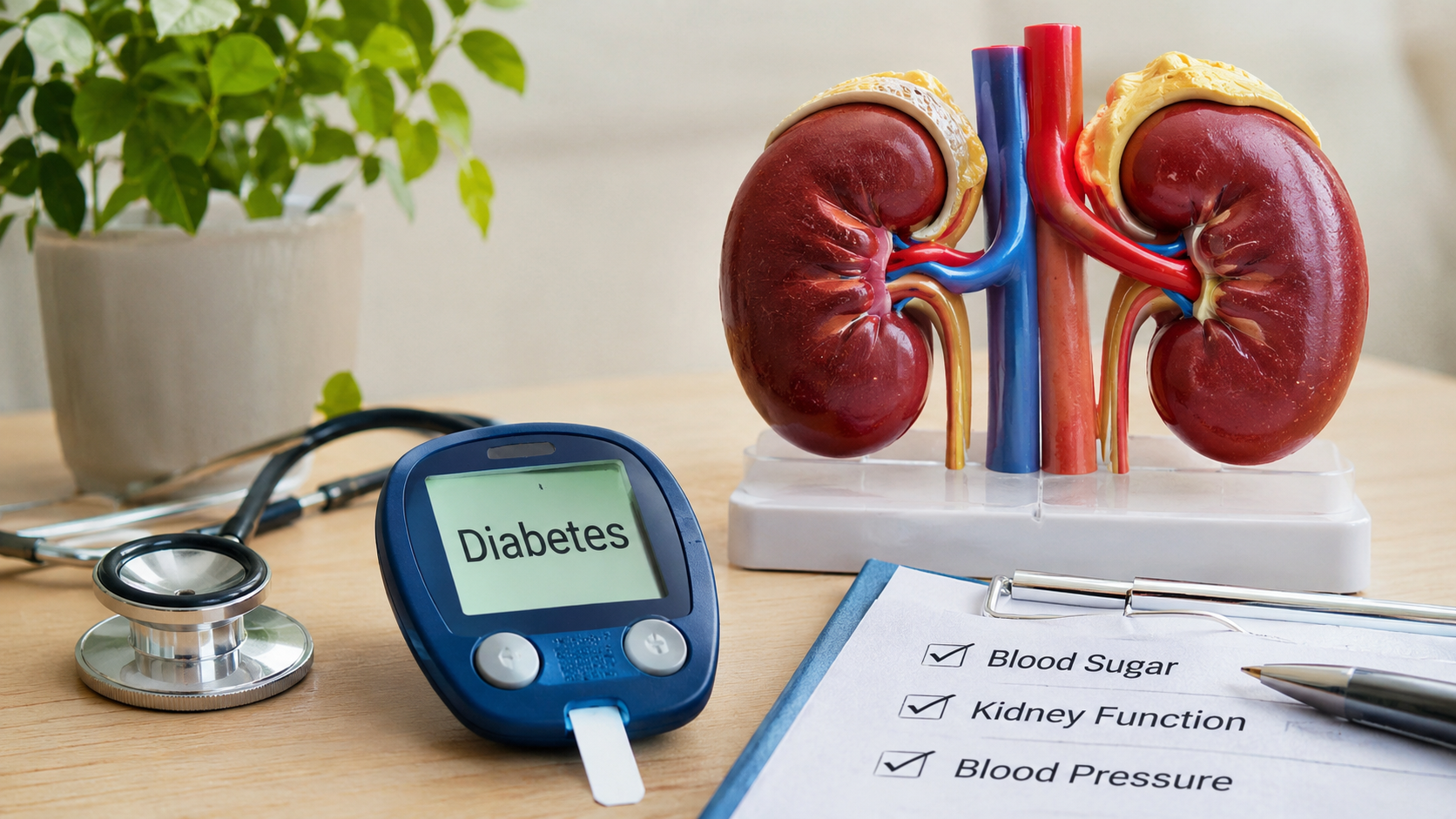
Beyond Blood Sugar: The Hidden Connection Between Diabetes and Kidney Disease
Diabetes is often associated with high blood sugar levels, but its impact extends far beyond glucose management. One of its most serious and frequently overlooked complications is chronic kidney disease (CKD).Kidney damage can develop gradually without noticeable symptoms, making early detection and preventive care essential. Understanding the connection between diabetes and kidney health can help patients take proactive steps towards a healthier future.How Does Diabetes Affect the Kidneys?The kidneys play a vital role in filtering waste products and excess fluids from the blood. They contain millions of tiny filtering units called nephrons.Persistently high blood sugar levels can damage the small blood vessels within these filtering units, reducing the kidneys' ability to function effectively.Over time, this damage may lead to a condition known as diabetic kidney disease, also called diabetic nephropathy. Without appropriate management, it can progress to kidney failure.Why Is Diabetic Kidney Disease Called a Silent Complication?One of the biggest challenges of diabetic kidney disease is that it often develops without obvious symptoms in its early stages.As kidney function declines, patients may experience:Swelling in the feet, ankles or handsPersistent fatigue and weaknessFoamy urineChanges in urinationHigh blood pressureLoss of appetiteNauseaHowever, waiting for symptoms to appear can delay diagnosis. Regular kidney screening is important even when patients feel completely healthy.Who Is at Greater Risk?People with diabetes may have an increased risk of kidney disease, particularly those with:Poorly controlled blood sugar levelsHigh blood pressureLong-standing diabetesObesitySmoking habitsA family history of kidney diseaseCardiovascular diseaseIdentifying these risk factors early allows healthcare professionals to develop more effective preventive strategies.The Importance of Early ScreeningEarly detection can help slow the progression of diabetic kidney disease.Two important tests used to assess kidney health are:1. Urine Albumin-to-Creatinine Ratio (UACR)This test detects abnormal amounts of albumin in the urine, which may indicate kidney damage.2. Estimated Glomerular Filtration Rate (eGFR)This blood-test-based calculation evaluates how effectively the kidneys are filtering waste.Annual kidney screening is generally recommended for people with type 2 diabetes from the time of diagnosis and for people with type 1 diabetes after five years of disease duration. Patients with established kidney disease may require more frequent monitoring.Six Ways to Protect Your Kidneys When You Have Diabetes1. Maintain Healthy Blood Sugar LevelsKeeping blood glucose within an individually recommended target range can help reduce the risk of kidney damage.2. Manage Blood PressureHigh blood pressure can accelerate kidney damage. Regular monitoring and appropriate treatment are essential.3. Follow a Balanced DietChoose nutritious foods, limit excessive sodium intake and reduce highly processed foods. Patients with kidney disease may require a personalized dietary plan.4. Stay Physically ActiveRegular physical activity can improve insulin sensitivity, support cardiovascular health and help manage blood pressure.5. Avoid Smoking and Unnecessary Medication UseSmoking can damage blood vessels, while frequent use of certain painkillers, such as NSAIDs, may negatively affect kidney function. Consult a healthcare professional before taking medications regularly.6. Schedule Regular Health Check-upsRoutine kidney function tests and diabetes monitoring can help identify complications before they become severe.Modern Treatment Approaches for Diabetic Kidney DiseaseAdvancements in medical science have introduced treatment options that can help protect kidney function and reduce cardiovascular risks.Depending on the patient's clinical condition, healthcare professionals may consider:ACE inhibitors or ARBsSGLT2 inhibitorsGLP-1 receptor agonistsFinerenone in eligible patientsThese treatments should be prescribed based on individual kidney function, medical history and clinical requirements.The Role of Healthcare Professionals in PreventionDoctors and healthcare professionals play a crucial role in reducing the burden of diabetic kidney disease through early screening, patient education, personalized treatment and regular follow-ups.Integrating kidney health assessments into routine diabetes care can improve long-term patient outcomes and help reduce preventable complications.ConclusionDiabetes management is not just about controlling blood sugar. It is about protecting vital organs and maintaining overall health.Diabetic kidney disease may develop silently, but early detection, lifestyle modifications and appropriate medical treatment can help slow its progression.By prioritizing kidney health alongside glucose management, patients and healthcare professionals can work together towards better long-term health outcomes.Remember: Don't just monitor your blood sugar. Monitor your kidney health too.At Rigomo, we believe that continuous medical education and healthcare awareness are essential for improving patient care and building a healthier future.Disclaimer: This article is intended for educational purposes and should not replace professional medical advice, diagnosis or treatment.

5 Hours Ago

Digital Health Records in India: Benefits, Challenges, and What Doctors Should Know
Healthcare is becoming increasingly digital, and electronic health records are playing an important role in transforming how patient information is managed.Traditionally, hospitals and clinics have relied on paper files to maintain medical histories, prescriptions, laboratory reports, and treatment records. However, managing physical documents can be time-consuming and make it difficult to access a patient's complete medical history.Digital health records offer a more organized approach. They help healthcare professionals store, access, and manage patient information electronically, supporting better coordination and continuity of care.In India, the Ayushman Bharat Digital Mission (ABDM) is an important initiative supporting the development of a connected digital healthcare ecosystem.What Are Digital Health Records?Digital health records are electronic versions of a patient's medical information. They may include:Medical history and previous diagnoses.Doctor consultation notes.Prescriptions and medication details.Laboratory and diagnostic reports.Hospital admission and discharge summaries.Treatment and follow-up information.These records help authorized healthcare professionals review relevant patient information and maintain organized medical documentation.Understanding ABHA and ABDMIndia's Ayushman Bharat Digital Mission aims to make healthcare information more accessible and interoperable.Two important terms are:ABHA (Ayushman Bharat Health Account): A digital health identity that helps individuals link and access their health records across participating healthcare providers.ABDM (Ayushman Bharat Digital Mission): A national initiative that supports the development of digital health infrastructure and enables secure, consent-based exchange of health information.An important distinction is that ABHA is an identity, not a central storage location for every medical record. Health records generally remain with the healthcare providers that create them, while ABDM facilitates their exchange with appropriate consent.Read more about ABDM – National Health AuthorityBenefits of Digital Health Records for Doctors and Patients1. Easier Access to Patient InformationDigital records can help authorized doctors review previous prescriptions, diagnostic reports, and medical histories without relying entirely on physical files.This can be particularly useful when patients visit multiple healthcare facilities.2. Better Continuity of CareWhen relevant records are available across participating healthcare providers, doctors can gain a better understanding of a patient's previous treatment and medical history.This can support more coordinated care, especially for patients managing long-term health conditions.3. Reduced PaperworkDigital documentation can reduce dependence on physical files and help clinics organize prescriptions, consultation notes, and reports more efficiently.4. Improved Healthcare CoordinationDigital health information can support communication between doctors, diagnostic laboratories, hospitals, and other authorized healthcare professionals.5. Greater Patient ConveniencePatients can benefit from easier access to their health information and may not need to carry multiple physical reports whenever they visit a participating healthcare facility.How Digital Health Records Are Transforming Healthcare in IndiaIndia's digital healthcare ecosystem has expanded through initiatives such as ABDM.According to a Ministry of Health and Family Welfare announcement dated May 22, 2026, more than 100 crore health records had been linked with ABHA under the mission.This demonstrates the growing adoption of digital health infrastructure across India.The initiative aims to support more connected healthcare services, improve access to medical information, and make health information exchange more convenient.Source: Press Information Bureau – 100 Crore Health Records Linked with ABHAPractical Examples of Digital Health RecordsExample 1: A Multi-Specialty ClinicA patient visits a general physician and later consults a specialist. With appropriate consent and compatible digital systems, relevant previous consultation records and reports can be shared with the specialist.This can help reduce repeated information collection.Example 2: Diagnostic LaboratoryA patient completes a blood test at a participating laboratory. The digital report can be made available through an appropriate connected health record system, allowing the patient to access and share it with an authorized doctor.Example 3: Hospital Follow-UpAfter discharge, a patient needs follow-up consultations. A digital discharge summary can help the treating doctor review previous treatment, medications, and follow-up recommendations.These examples illustrate potential workflows; actual availability depends on system integration and patient consent.Challenges of Digital Health RecordsDespite their benefits, digital health records also introduce challenges that healthcare organizations must address.1. Data Privacy and SecurityMedical records contain sensitive personal information. Healthcare providers must use secure systems, restrict access to authorized users, and follow applicable data protection requirements.2. Digital LiteracySome patients and healthcare professionals may need assistance understanding and using digital health platforms.Training and user-friendly systems are important for wider adoption.3. Technology and InfrastructureSmaller clinics and healthcare facilities may face challenges involving internet connectivity, software costs, equipment, and technical support.4. InteroperabilityDifferent hospitals and clinics may use different software systems. Digital health platforms need compatible standards to exchange information effectively.5. Data AccuracyIncorrect or incomplete medical information can create confusion. Healthcare professionals must ensure that records are properly updated and verified.What Doctors Should Consider Before Adopting Digital Health RecordsDoctors and clinic owners can take a few practical steps when moving towards digital documentation:Choose reliable software: Select a suitable electronic health record system that meets the clinic's requirements.Check ABDM compatibility: Evaluate whether the software supports relevant ABDM standards and integrations.Protect patient information: Use appropriate security controls and access permissions.Train clinic staff: Ensure that doctors, nurses, and administrative teams understand the system.Maintain accurate records: Review patient information regularly and correct errors when identified.Respect patient consent: Follow appropriate consent procedures before sharing health information.ConclusionDigital health records are becoming an important part of India's changing healthcare landscape. They can help doctors organize patient information, reduce paperwork, improve healthcare coordination, and support continuity of care.Initiatives such as the Ayushman Bharat Digital Mission are creating opportunities for a more connected digital healthcare ecosystem.However, successful adoption requires secure technology, accurate records, staff training, interoperability, and patient consent.For doctors and clinic owners, understanding digital health records is an important step towards modernizing medical practice and delivering more coordinated patient care.SEO DetailsSEO Title: Digital Health Records in India: Benefits and Challenges for DoctorsMeta Description: Learn how digital health records are transforming healthcare in India, including ABHA, ABDM, benefits for doctors, data privacy, and implementation challenges.URL Slug: digital-health-records-indiaPrimary Keyword: Digital Health Records in IndiaSecondary Keywords: Electronic Health Records, ABHA Health ID, Ayushman Bharat Digital Mission, Digital Healthcare in India, EHR for Doctors, Healthcare Technology, Patient Medical Records, Digital Health ManagementCategory: Healthcare TechnologyReferencesNational Health Authority – Ayushman Bharat Digital MissionPress Information Bureau – 100 Crore Health Records Linked with ABHAGovernment of India – Cybersecurity Under ABDMGovernment of India – Electronic Health Record Standards

1 Day Ago

AI in Clinical Documentation: How Doctors Can Save Time While Maintaining Accuracy
Clinical documentation is an essential part of healthcare, but preparing patient records, consultation notes, discharge summaries, and referral letters can take significant time.Artificial Intelligence (AI) is helping healthcare professionals simplify these tasks. AI-powered tools can convert consultation conversations into structured notes, summarize patient information, and assist with medical record management.When used responsibly, these tools can reduce administrative work and allow doctors to focus more on patient care.What Is AI-Powered Clinical Documentation?AI-powered clinical documentation uses technologies such as speech recognition, Natural Language Processing (NLP), and generative AI to create and organize medical records.These tools can help doctors:Prepare patient consultation notes.Summarize medical histories.Draft discharge summaries.Prepare referral letters.Organize examination findings and treatment plans.Create follow-up documentation.AI supports the documentation process but does not replace a doctor's clinical judgment.How Does AI Clinical Documentation Work?AI documentation tools generally follow three steps:1. Capturing Information: The software processes approved consultation conversations or information entered by healthcare professionals.2. Organizing Medical Details: AI identifies relevant information, such as symptoms, medical history, medications, and examination findings.3. Creating Clinical Notes: The system prepares a structured draft that the doctor can review, correct, and approve.The final medical record must always be checked by an authorized healthcare professional.Key Benefits of AI in Clinical Documentation1. Saves TimeAI can reduce repetitive typing and assist with preparing clinical notes, helping doctors manage documentation more efficiently.2. Improves Documentation OrganizationAI can arrange medical information into structured sections, making patient records easier to read and review.3. Supports Patient InteractionBy reducing manual documentation during consultations, AI may help doctors give more attention to conversations with patients.4. Simplifies Record ManagementAI can assist with summarizing lengthy patient histories and preparing drafts of medical documents.Research published in the Journal of the American Medical Informatics Association and JAMA Network Open has examined the use of AI-powered documentation tools in clinical settings.Read research on ambient AI scribesRead the JAMA Network Open studyCommon Uses in HealthcareAI-powered documentation can support different clinical workflows:OPD Notes: Prepare structured notes from patient consultations.Discharge Summaries: Organize hospital treatment details and follow-up instructions.Referral Letters: Create drafts containing relevant patient information.EHR Management: Help organize information in electronic health records.Follow-Up Records: Summarize patient progress and future care plans.Practical ExamplesExample 1: General Physician ClinicA doctor uses an AI documentation tool to prepare a consultation note based on an approved patient conversation. The doctor reviews the draft and corrects any missing details before saving it.Example 2: Hospital DischargeAI helps organize patient information into a discharge summary, including treatment details, medications, and follow-up instructions. The treating doctor verifies the final document.Example 3: Specialist ConsultationA specialist uses AI to summarize relevant information from a patient's medical history, making it easier to review previous consultations and records.These examples illustrate potential uses rather than guaranteed results.Challenges and LimitationsDespite its benefits, AI documentation has important limitations.Accuracy: AI may misunderstand medical terminology or generate incorrect information.Patient Privacy: Healthcare organizations must protect sensitive patient information.System Integration: Some tools may require integration with existing electronic health record systems.Professional Oversight: Doctors must review and approve AI-generated records.Implementation Costs: Software, training, and maintenance may involve additional expenses.Healthcare organizations should choose secure, approved solutions and follow applicable privacy and data protection requirements.Best Practices for Using AITo use AI responsibly in clinical documentation, healthcare professionals should:Review every AI-generated note before approval.Follow appropriate patient consent and privacy requirements.Use secure and trusted software platforms.Train staff to understand the technology and its limitations.Regularly monitor documentation quality and accuracy.The Future of AI in Clinical DocumentationAI technology is expected to become increasingly integrated into electronic health records and everyday clinical workflows.Future systems may offer better medical language recognition, multilingual documentation, and more efficient patient record summaries.However, successful adoption will depend on accuracy, data security, transparency, and human oversight.The World Health Organization also emphasizes responsible governance and ethical use of AI in healthcare.Read WHO guidance on AI in healthcareConclusionAI in clinical documentation offers doctors and healthcare organizations an opportunity to simplify administrative tasks, organize medical records, and improve workflow efficiency.From consultation notes to discharge summaries, AI can assist with preparing structured medical documents. However, patient privacy, clinical accuracy, and professional review must always remain priorities.AI should be treated as a supportive tool, not a replacement for medical expertise. With responsible implementation, it can help healthcare professionals spend less time on repetitive documentation and more time focusing on quality patient care.SEO DetailsSEO Title: AI in Clinical Documentation: Benefits and Uses for DoctorsMeta Description: Discover how AI in clinical documentation helps doctors save time, organize medical records, improve workflow efficiency, and maintain accuracy.URL Slug: ai-in-clinical-documentationPrimary Keyword: AI in Clinical DocumentationSecondary Keywords: AI Medical Documentation, AI Tools for Doctors, Automated Clinical Documentation, AI in Healthcare, Medical Scribing Technology, AI Clinical Notes, Electronic Health RecordsCategory: Healthcare TechnologyReferencesJournal of the American Medical Informatics Association – Ambient AI ScribesJAMA Network Open – AI Documentation ResearchWorld Health Organization – Ethics and Governance of AI for Health

2 Days Ago

All blogs