Created by - Rigomo Team
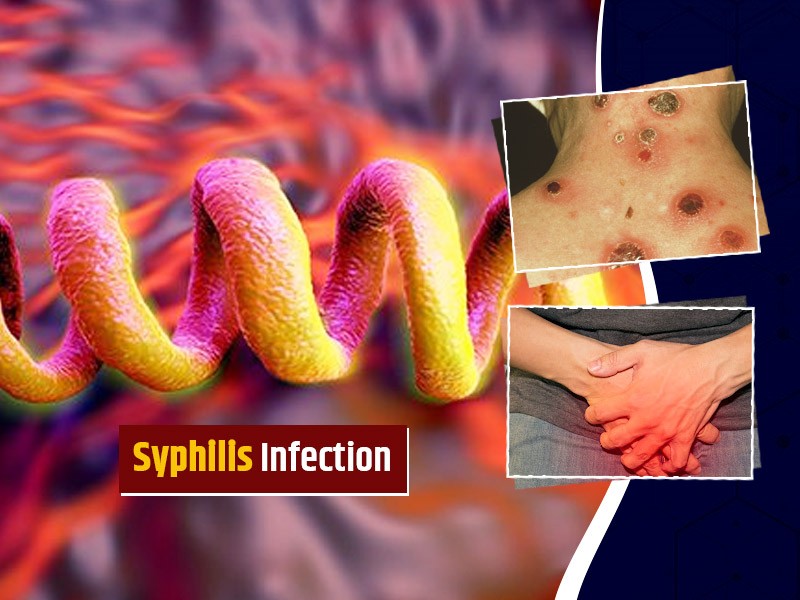
All you need to know about Syphilis
ETIOLOGY: Syphilis is caused by T. pallidum.INCIDENCE: Each year, there are 29,000 new cases of syphilis. This figure represents probably only 10% of actual cases.CLINICAL FEATURES1. Primary syphilis: After an average incubation period of approximately 3 weeks, a smooth, painless ulcer called a chancre appears at the site of primary inoculation. The chancre heals without treatment in approximately 3 to 6 weeks; at about the same time, a painless uni- or bilateral regional adenopathy develops.2. Secondary syphilis represents disseminated disease and occurs in all patients with untreated primary infection. The lesions of secondary syphilis are papulosquamous lesions that occur over the entire trunk, extremities, penis, and buttocks. Fever and weight loss occur in 70% of patients.3. Tertiary syphilis occurs at least 10 years after the primary infection in at least 30% to 35% of untreated patients. The two most important manifestations of tertiary syphilis are cardiovascular syphilis, causing thoracic aneurysms, and neurosyphilis, causing meningitis, stroke, seizures, dementia, general weakness, and posterior column dysfunction.DIFFERENTIAL DIAGNOSES— Chancroid— HSV type 1 infection— Lymphogranuloma venereum— Tinea, sarcoid— Lichen planus— Seborrhea dermatitis— Molluscum contagiosum— Traumatic ulcer— Furuncle— CarcinomaEVALUATION: The clinical diagnosis can be confirmed by darkfield microscopic examination or more commonly serologic testing.THERAPY1. The standard treatment for primary, secondary, and early tertiary syphilis is benzathine penicillin G (2.4 million U administered intramuscularly as a single dose).2. For late tertiary syphilis or neurosyphilis, benzathine penicillin G (2.4 million U, three doses administered intramuscularly 1 week apart) is used. Doxycycline (100 mg orally twice daily for 14 days) can be given to patients who are allergic to penicillin.DISPOSITION1. Primary and secondary syphilis can be treated on an outpatient basis.2. Patients with neurosyphilis or major cardiovascular manifestations require admission for intravenous therapy.
More detailsPublished - Tue, 15 Nov 2022
Created by - Rigomo Team
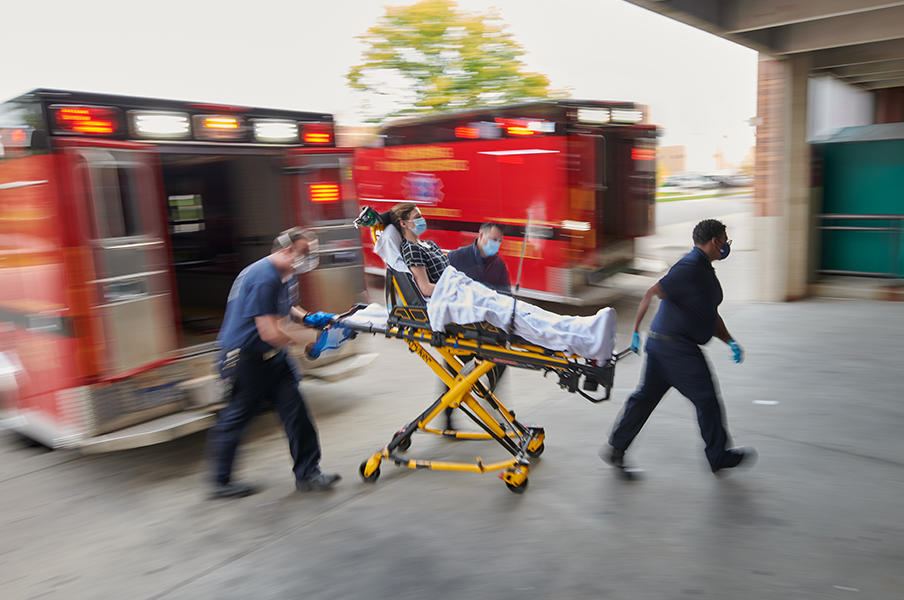
Rigomo: The Solution for Managing Medical Emergencies and Reducing Deaths in India
Rigomo, founded by Vinnay T Tuli in 2021, is an Indian healthcare Ed-Tech startup that aims to increase the average age of people in India by at least 5 years in the next 15 years. The company's mission is to empower medical practitioners with the knowledge and experiences they need to meet the challenges of today and prepare for a better tomorrow.One of the ways in which Rigomo is working towards this goal is through its flagship program, the "RH in Me" course. This course is designed to teach individuals how to handle medical emergencies while medical services such as doctors, ambulances, and hospitals are yet to arrive.The RH in Me course is comprehensive and covers a wide range of topics, including basic first aid, CPR, and the management of common medical emergencies such as heart attacks, strokes, and injuries. It is designed for individuals of all ages and backgrounds, and can be taken online at one's own pace. Rigomo's partnership with renowned medical professionals enables it to present the best courses to its students and help them to meet their learning goals. The company currently offers more than 10+ courses in clinical & management areas for doctors, nurses, and general management personnel. The course covers specialties such as Diabetes, Emergency Medicine, Cardiology, Nutrition, Wellness, Healthcare Informatics, and Mental Health.In addition to its course offerings, Rigomo also provides certifications to individuals who successfully complete the RH in Me course. These certifications can be used to demonstrate one's knowledge and skills in handling medical emergencies, and can be a valuable asset for those seeking employment or advancement in the healthcare field.Rigomo's efforts in providing education and training in emergency medicine can help reduce deaths in India. With a population of over 1.3 billion people, India faces a significant burden of disease and injury, and the ability to respond quickly and effectively to medical emergencies can mean the difference between life and death. By providing individuals with the knowledge and skills they need to handle medical emergencies, Rigomo is helping to ensure that more people in India have access to the care they need when they need it.In conclusion, Rigomo is an innovative and socially conscious startup that is working towards increasing the average age of people in India by at least 5 years in the next 15 years. Its flagship program, the RH in Me course, is designed to teach individuals how to handle medical emergencies while medical services such as doctors, ambulances, and hospitals are yet to arrive. By providing education and training in emergency medicine, Rigomo is helping to reduce deaths in India and ensure that more people have access to the care they need when they need it.
More detailsPublished - Tue, 24 Jan 2023
Created by - Rigomo Team
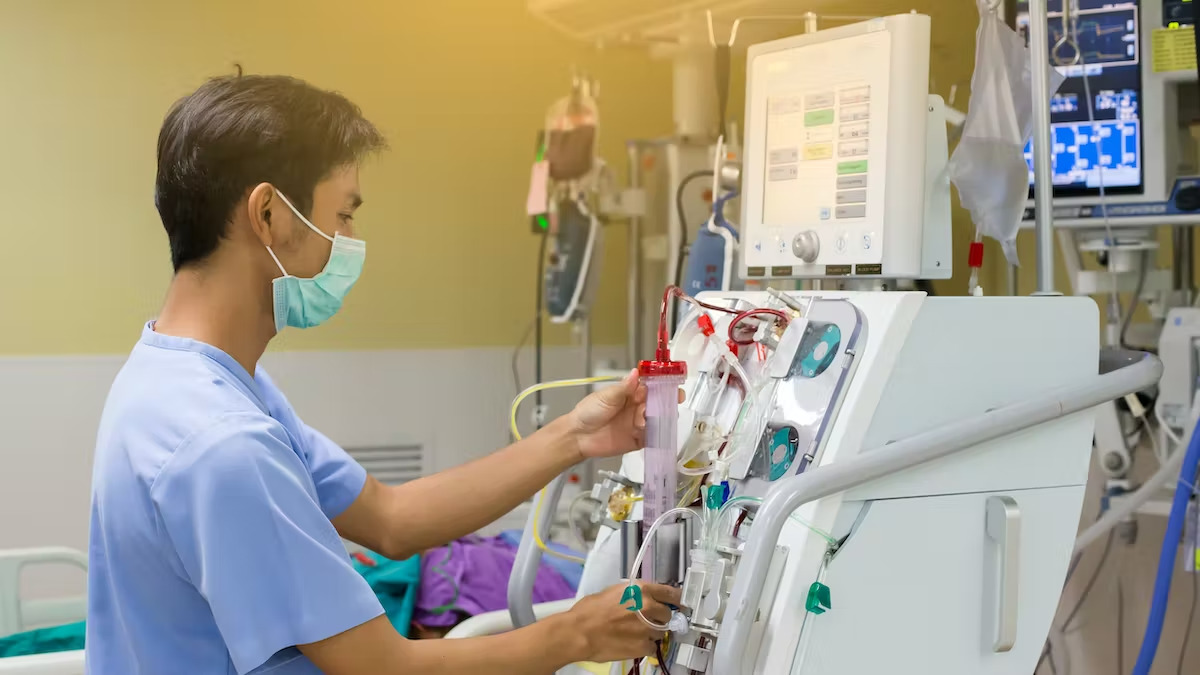
Emergency Patient Care: A Life-Saving Certificate Course for Healthcare Workers
In today's world, the demand for healthcare professionals who can handle emergency situations has increased significantly. Emergencies are unpredictable and can occur at any time, which is why it is crucial for healthcare workers to be well-equipped to handle such situations and save precious lives. To fulfill this need, Rigomo has launched a new course called Emergency Patient Care (Certificate Course). This course is designed for healthcare workers, medical practitioners, and doctors who deal with emergency patients on a regular basis. The Instructor: Dr Prashant Raj The instructor of this life-saving course is Dr Prashant Raj, MBBS, DTCD, FCCS(USA), CTLS(Australia). With his 12+ years of medical experience, he will be teaching the participants the crucial techniques to handle emergencies in the best possible way. Key Features of the Course Resuscitation Emergency Management: Participants will learn how to act in life-threatening emergencies such as heart attack, respiratory failure, etc. Handling of Gastrointestinal Emergencies: Participants will learn expert techniques to handle hemodynamic instability in gastrointestinal emergencies. Pulmonary Emergencies: Participants will learn how to treat victims of life-threatening respiratory emergencies that lead to respiratory failure. Patient With Endocrine Emergencies: Participants will learn key skills to handle endocrine and electrolyte-based emergencies and take the best initial diagnostic and treatment actions. Handling Cardiovascular Emergencies: Participants will learn how to handle cases of cardiac arrest and perform high-quality CPR to save the patient's life. Patient With Metabolic Emergencies: Participants will learn how to handle emergencies caused by dysregulation of glucose, potassium, sodium, calcium, and thyroid hormone. With this course, participants will become proficient medical emergency experts and professionals. They will have lifetime access to all the premium pre-recorded lectures, totaling 8+ hours of content in 30 pre-recorded lectures. Rigomo guarantees 100% satisfaction with the course, or participants can receive a 100% refund, no questions asked. Invest in Your Future with Emergency Patient Care For a limited time, the Emergency Patient Care course is available for just 797 rupees, discounted from its original price of 13995 rupees. This is a once-in-a-lifetime opportunity to upgrade your skills and become equipped to handle emergency situations with confidence. Don't wait any longer, invest in your future today and become a lifesaver!
More detailsPublished - Sat, 04 Feb 2023
Created by - Rigomo Team
Revolutionizing Medical Education: The Benefits of E-Learning with Rigomo
The advent of technology has completely transformed the way we learn and acquire knowledge. With the rise of e-learning platforms, education has become more accessible, convenient, and cost-effective. Rigomo is one such platform that is revolutionizing the medical education industry with its innovative approach. In this blog, we will explore the benefits of e-learning and how Rigomo is leading the way in medical education.Flexibility: With e-learning, students can access courses at their own pace and convenience. Rigomo offers on-demand courses that can be accessed from anywhere, at any time, and on any device. This allows medical professionals to continue their education without having to take a break from their work.Cost-effective: E-learning is a more cost-effective option compared to traditional classroom learning. Rigomo offers affordable courses that can save medical professionals thousands of dollars in tuition fees and travel expenses.Interactive learning: Rigomo's courses are designed to provide interactive learning experiences through quizzes, case studies, and simulations. This approach ensures that students are actively engaged in the learning process, leading to better retention and application of knowledge.Access to top-notch instructors: Rigomo collaborates with top medical professionals and instructors to deliver high-quality courses. Students have the opportunity to learn from the best in the industry and benefit from their expertise and knowledge.Continuous learning: Medical knowledge is constantly evolving, and it is essential for medical professionals to stay up-to-date with the latest developments. Rigomo offers a wide range of courses that cater to different specializations and skill levels, providing medical professionals with the opportunity for continuous learning.In conclusion, e-learning is transforming the medical education industry, and Rigomo is leading the way with its innovative approach. The benefits of e-learning, including flexibility, cost-effectiveness, interactive learning, access to top-notch instructors, and continuous learning, make it an attractive option for medical professionals. With Rigomo's comprehensive and affordable courses, medical professionals can enhance their skills and stay up-to-date with the latest developments in the field.Sources:"The Benefits of E-Learning" by CommLab India - https://www.commlabindia.com/resources/ebook/benefits-of-elearning.php"5 Advantages of Online Learning: Education Without Leaving Home" by Walden University - https://www.waldenu.edu/online-degrees/resources/five-advantages-of-online-learning-education-without-leaving-home"How Technology is Revolutionizing Medical Education" by Forbes - https://www.forbes.com/sites/reenitadas/2018/09/27/how-technology-is-revolutionizing-medical-education/?sh=5e408d30763e"Rigomo: Revolutionizing Medical Education" by Rigomo Blog - https://rigomo.com/blog/rigomo-revolutionizing-medical-education/"E-learning in the Medical Field" by Global Knowledge - https://www.globalknowledge.com/us-en/resources/resource-library/articles/e-learning-in-the-medical-field/
More detailsPublished - Fri, 24 Feb 2023
Created by - Rigomo Team
Dr. Ashwathi Soman's Daring Trek: Saving a Life in the Heart of the Forest
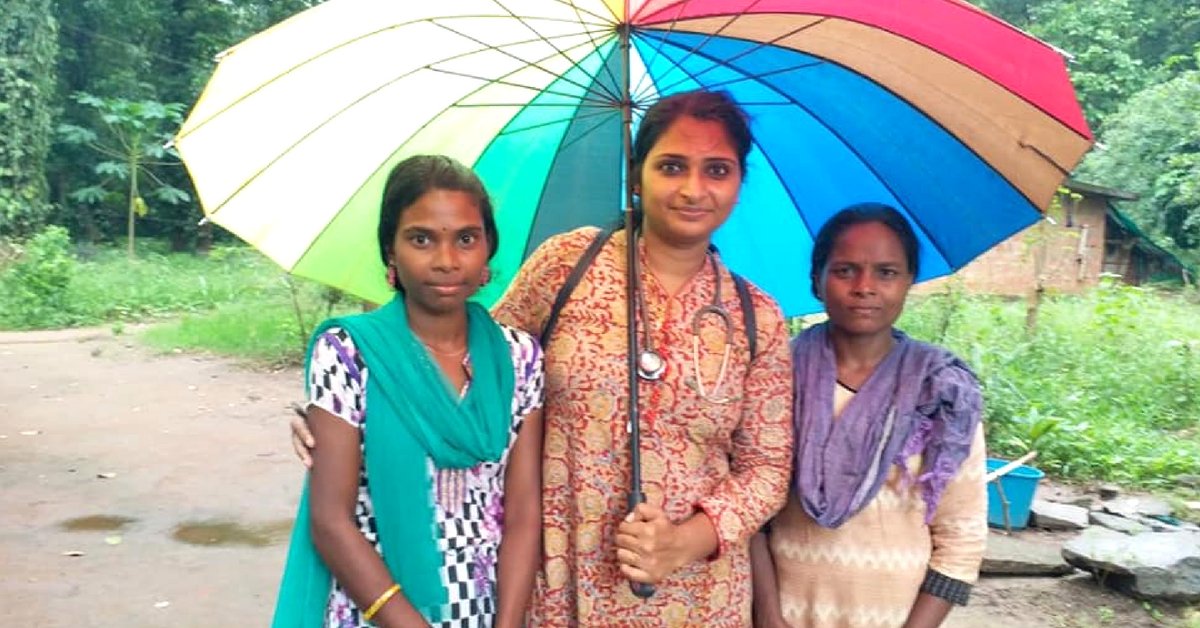
In the depths of the Indian forests, amidst the dense foliage and rugged terrain, lies a remote tribal hamlet, far removed from the modern world. It was here that Dr. Ashwathi Soman, a dedicated public medical officer, embarked on a remarkable journey to save the life of a tribal man named Ravi.Ravi's right toe had been severely injured, leading to an infection that threatened his life. The remoteness of his village and the tribe's reluctance to seek outside medical assistance made his situation dire. Undeterred by the challenges that lay ahead, Dr. Soman assembled a team of medical professionals and forest officials and set off on a 10-kilometer trek through the dense forest.The journey was arduous, with the team navigating treacherous paths, climbing steep hills, and crossing gushing streams. But Dr. Soman's determination never wavered. She knew that every step she took brought her closer to saving Ravi's life.Upon reaching the village, Dr. Soman quickly assessed Ravi's condition. The infection was severe, and amputation was the only way to save his leg. However, convincing Ravi to undergo the procedure was another challenge. The tribe's deep-rooted traditions and fear of outsiders posed a significant hurdle.With patience, understanding, and a genuine desire to help, Dr. Soman explained the gravity of Ravi's situation and the necessity of the amputation. She spoke to him in his own language, addressing his fears and concerns. Eventually, Ravi agreed to the procedure.Working under difficult conditions, Dr. Soman and her team successfully performed the amputation. They then provided Ravi with the necessary care and medications to ensure his recovery.Source: OnManorama.Dr. Soman's act of compassion and bravery saved Ravi's life. It also served as a bridge between two worlds, fostering understanding and trust between the tribal community and the outside world.A Beacon of HopeDr. Ashwathi Soman's story is a testament to the power of human connection, the unwavering pursuit of making a positive impact, and the unwavering dedication to serving those in need. Her journey through the deep forests to save Ravi's life is an inspiring tale that reminds us of the extraordinary things that ordinary people can achieve.
More detailsPublished - Wed, 08 Nov 2023

Created by - Rigomo Team
Disease X: A New Global Health Concern at Davos 2024
Imagine sitting at the prestigious World Economic Forum in Davos, Switzerland, with world leaders and health experts. They're all talking about something called "Disease X." It might sound like a sci-fi movie title, but it's a real concern, and it's making waves at Davos 2024.The Alarming PredictionThe World Health Organization (WHO) has raised the alarm that Disease X could be even deadlier than the COVID-19 pandemic we've been grappling with. They're warning that it might cause up to 20 times more deaths. That's a sobering thought, isn't it? So, what's the plan to deal with this potentially catastrophic scenario?Preparing for the UnknownOne of the sessions at Davos is titled "Preparation for Disease X." It features a lineup of heavy-hitters in the healthcare world, including the WHO's Director-General, Tedros Adhanom Ghebreyesus, and other influential figures like Preetha Reddy from Apollo Hospitals Enterprise Ltd. They're gathering to brainstorm and figure out how we can get ready for Disease X.Demystifying Disease XNow, you might be wondering, "What exactly is Disease X?" Well, it's not a specific disease like COVID-19 or Ebola. Instead, it's a term coined by the WHO to represent a hypothetical, unknown pathogen. Think of it as a placeholder for any new and unpredictable infectious agent that could spark a global epidemic. It's a reminder of how infectious diseases can come out of nowhere and catch us off guard.The Looming ThreatWhy all the fuss about Disease X? Well, it's not just a theoretical concern. Healthcare professionals in the UK issued a chilling warning recently, saying that Disease X could be as devastating as the 1918-1920 Spanish Flu, which claimed the lives of a staggering 50 million people worldwide. To put that in perspective, the COVID-19 pandemic, which we consider one of the worst in recent history, resulted in around 7 million global deaths.The WHO emphasizes that we need to be prepared for Disease X. There's a vast number of potential pathogens out there, and our resources for researching and developing treatments are limited. That's why leaders and experts are gathering at Davos – to figure out how to beef up our healthcare systems, foster global collaboration, and speed up research efforts.In a nutshell, Disease X is a big deal because it could be a game-changer, potentially worse than what we've seen with COVID-19. While it's still a hypothetical threat, it's a wake-up call. The discussions at Davos 2024 are a reminder that we need to be proactive in preparing for the unexpected. Strengthening our healthcare systems, working together globally, and ramping up research efforts are all part of the plan to face this ominous challenge head-on.
More detailsPublished - Wed, 17 Jan 2024
Created by - Rigomo Team
Online Clinical Courses for Doctors to Build Practical Skills
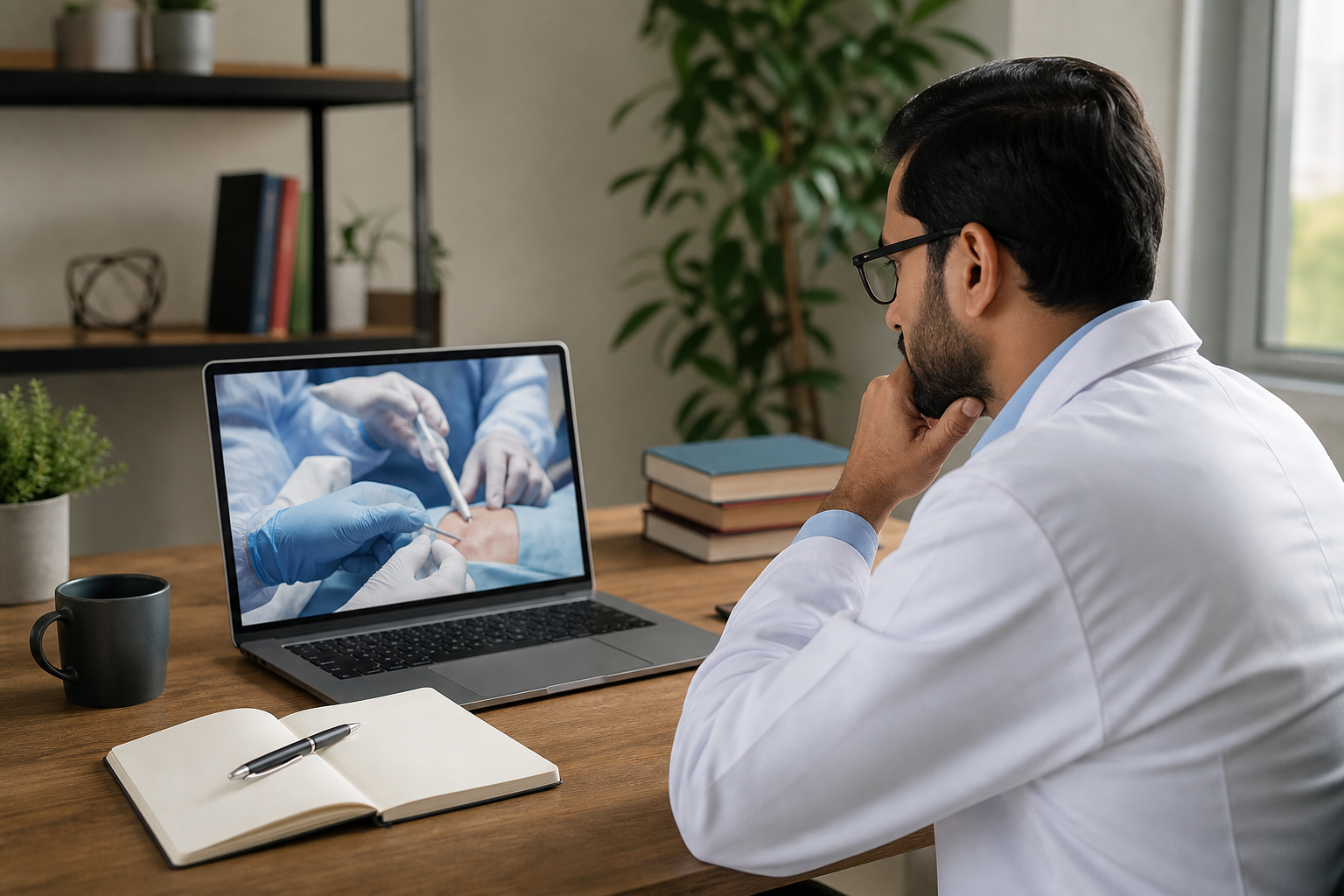
Doctors and healthcare professionals need to keep developing their clinical knowledge, but finding time for education alongside patient care can be difficult. Online clinical courses for doctors offer a flexible way to study relevant topics, revisit difficult concepts, and apply learning to everyday practice.The most useful courses do more than present information. They connect clinical skills with real decisions, help learners understand how technology can support care, and address the practical side of developing a sustainable medical practice. The right course should fit your goals, your current level of experience, and the way you want to use what you learn.Rigomo provides practical online courses for doctors and healthcare professionals in three connected areas: clinical skills, AI and digital practice, and practice growth. This combination allows professionals to focus on better patient care while also building capabilities that support long-term professional development.What Are Online Clinical Courses for Doctors?Online clinical courses for doctors are structured learning programmes delivered through digital platforms. They are designed to help medical professionals strengthen clinical knowledge, improve practical decision-making, or develop skills that can be used in patient care.Unlike broad medical content, a focused online course is built around a defined learning objective. For example, a course might help a doctor review a clinical approach, understand a new digital workflow, or think more clearly about how technology can be used in practice. The value comes from linking the subject to professional action rather than learning facts in isolation.Online learning may be particularly useful for professionals who need flexibility. You can compare course topics, choose education that reflects your current needs, and study when it is realistic to do so. However, convenience should not be the only selection criterion. A course is more valuable when its subject matter is relevant, its explanations are practical, and its learning can be carried into your professional setting.Why Practical Online Medical Education MattersProfessional development has a direct connection to the quality and consistency of clinical work. Learning can help doctors review established approaches, explore useful tools, and identify ways to improve the experience of delivering care. It can also encourage more deliberate reflection on how clinical and operational decisions affect patients.Practical education is different from simply collecting information. It asks questions such as:How does this knowledge influence a clinical decision?What would applying this approach look like in day-to-day work?Which parts of the learning are immediately relevant, and which require further study?How can digital tools support care without replacing professional judgement?These questions make online medical education more useful because they move the learner from passive consumption towards thoughtful application. A doctor may finish a lesson with a clearer framework for approaching a clinical issue, a better understanding of a digital option, or a more structured plan for improving practice.Education should always be considered alongside professional standards, current guidance, local requirements, and the needs of individual patients. An online course can support development, but it does not replace clinical judgement, appropriate supervision, or the responsibility to use reliable information in context.Three Areas to Consider When Choosing a CourseClinical skillsClinical skills courses can help doctors revisit the knowledge and approaches that underpin patient care. When comparing a course, look for a clear explanation of what skill or area it addresses and how the material relates to clinical work.A useful clinical course should encourage you to think through the reasoning behind an approach, not only memorise a list of facts. Consider whether the course helps you recognise relevant information, structure your thinking, and identify questions that may need further investigation.Clinical learning is often most valuable when it reflects the realities of practice. Look for material that acknowledges uncertainty, variation between patients, and the importance of adapting decisions to the situation in front of you.AI and digital practiceArtificial intelligence and digital tools are becoming increasingly relevant to healthcare professionals. Doctors may need to understand what these tools are intended to do, where they may be useful, and what professional considerations should guide their use.Courses in AI and digital practice can support a more informed approach to technology. Instead of treating digital tools as automatically beneficial, learners can evaluate how a tool fits into care, communication, documentation, or other parts of professional work. They can also consider where human oversight remains essential.When assessing a digital practice course, ask whether it explains the practical implications of adoption. A strong learning experience should help you think about workflow, responsible use, limitations, and the effect on patients and healthcare professionals—not just the technical vocabulary.Practice growthClinical quality and practice development are closely related. Doctors and healthcare professionals may also need skills that help them organise their work, communicate value clearly, and create a more sustainable professional environment.Practice growth education can address the thinking behind development rather than promising a one-size-fits-all result. The right course should help you connect professional goals with the needs of the people you serve. It may also encourage a clearer view of how patient care, service design, communication, and operational decisions work together.For a busy professional, studying these three areas together can provide a broader perspective. Clinical skills support care directly, digital knowledge helps you assess new possibilities, and practice growth can help create the conditions for continued improvement.How to Choose the Right Online Clinical CourseBefore enrolling in an online clinical course for doctors, define what you want the learning to achieve. A specific objective makes it easier to judge whether a course is suitable and whether the time required is worthwhile.Identify the gap. Decide whether you need to strengthen a clinical skill, understand AI and digital practice, or address a practice-development priority.Check the level. Consider whether the course is appropriate for your current knowledge and professional responsibilities. Material that is too basic may not be useful, while material that assumes advanced knowledge may be difficult to apply.Review the practical focus. Look for clear learning outcomes and an explanation of how the subject relates to real professional decisions or workflows.Consider flexibility. Think about when and how you will study. A course should fit realistically around patient care and other responsibilities.Plan for application. Decide in advance how you will use the learning. This might involve reviewing a process, discussing an idea with colleagues, or identifying a question for further professional study.It is also sensible to consider how the course fits into your broader development. One short course may answer an immediate need, while a sequence of learning across related topics may better support a longer-term goal. The best choice depends on what you are trying to improve now.Making Online Learning Fit Around Clinical WorkOnline education is flexible, but flexibility does not automatically create time. A simple plan can make it easier to study consistently without allowing education to become another source of pressure.Start by setting a clear purpose for the course. Write down the professional question you want it to help answer. Then divide the learning into manageable sessions that fit your schedule. Short, focused study periods can be more realistic than waiting for a large block of uninterrupted time.Keep notes focused on application. Rather than recording every detail, capture the ideas that change how you understand a problem or suggest a useful next step. You can organise notes under three headings: what I learned, what I need to verify, and how this may affect my practice.After completing a section, pause before moving on. Ask what you would do differently, what remains unclear, and whether the material raises any patient-safety or professional questions. This reflection helps turn online learning into an active part of development.Where appropriate, discuss relevant learning with colleagues. Professional conversation can reveal different perspectives and help you separate a useful general principle from an idea that needs careful adaptation to a particular setting. Any change to clinical practice should be considered responsibly and in line with applicable requirements and guidance.Examples of Useful Learning GoalsA course is easier to evaluate when the goal is expressed in practical terms. “Learn more about AI” is broad. “Understand how to assess a digital tool before considering its use in professional work” is more specific and gives you a clearer basis for judging progress.Other examples of focused goals include:Strengthen a clinical approach that is relevant to your current responsibilities.Build a clearer framework for thinking through clinical information and decisions.Understand how AI may affect medical workflows and where professional judgement remains necessary.Identify ways to use digital practice thoughtfully while keeping patient care central.Clarify how practice-growth decisions can support professional goals and the needs of patients.These goals do not assume that a course will solve every challenge. They give your learning a direction and help you decide what further education, discussion, or review may be appropriate.How Rigomo Supports Professional DevelopmentRigomo is an online medical education platform for doctors and healthcare professionals. Its practical online courses focus on clinical skills, AI and digital practice, and practice growth, giving learners the opportunity to develop across areas that influence both patient care and professional work.This broad focus can be useful if you are looking for education that goes beyond a single narrow topic. You can approach learning through the area that matches your immediate priority, whether that is strengthening clinical capability, becoming more informed about technology, or thinking about how to develop your practice.Rigomo’s emphasis on practical courses also reflects an important principle: professional education should connect with the work healthcare professionals actually do. As you review available learning, consider which topic best matches your current needs and how you will apply the ideas responsibly in your own context.Turn Learning Into Your Next Professional StepOnline clinical courses for doctors can make professional development more accessible and more focused, especially when the learning is practical and connected to patient care. The strongest choice is not necessarily the broadest course or the most advanced-sounding topic. It is the one that addresses a genuine need, fits your circumstances, and helps you think more clearly about your next step.Begin by identifying the skill or question you want to develop. Then compare the course focus, practical relevance, level, and flexibility before committing your time. Explore Rigomo’s online medical education courses to find a focused way to support your clinical skills, digital practice, or practice growth.
More detailsPublished - Thu, 27 Aug 2026
Search
Popular categories
Health and Wellness
232Skill Development
7Technology
5Community Impact
2Success story
2Creativity
1Latest blogs
Online Clinical Courses for Doctors to Build Practical Skills
Thu, 27 Aug 2026
DeepSchool: The Story of an Idea That Refused to Sit Still
Tue, 02 Dec 2025
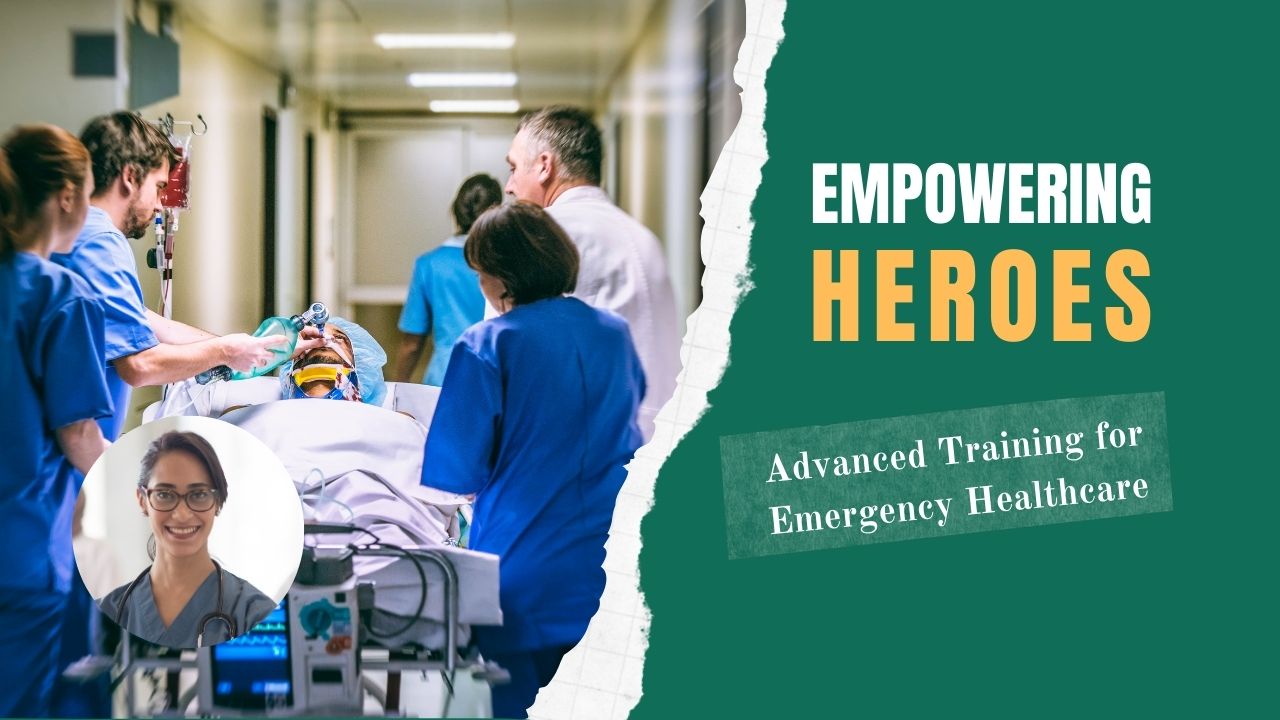
Transforming Emergency Care: The Story Behind Rigomo's Revolutionary PPMMP Course
Sun, 12 May 2024
Write a public review