Where possibilities begin | Rigomo

Where possibilities begin

We’re a leading marketplace platform for learning and teaching online. Explore some of our most popular content and learn something new.
Total 254 Blogs
Epilepsy – Affect Type & Disorder

Created by - Rigomo Team

Epilepsy – Affect Type & Disorder

Epilepsy is a neurological disorder that could lead to uncontrolled bursts of electrical activities owing to the improper functioning of nerve cells. This temporary uncontrolled burst or excessive surge of electrical activity within the brain is called a Seizure, which could give rise to symptoms depending on which part of the brain is affected.   Epilepsy is a chronic disease that causes repeated seizures, usually when someone experiences 2 or more unprovoked seizures within 24 hours.  twenty-four hours apart. “Unprovoked” seizures are those that aren't brought on by a usual cause, like alcohol withdrawal, heart issues, or hypoglycemia, that is once someone has extraordinarily low glucose levels. Seizures are also the results of change in normal biology or a brain injury, however, typically their cause is unknown. The words “seizure disorder” and “epilepsy” are typically used interchangeably.  Types of seizure - There are 2 main sorts of seizures—Focal, which are referred to as partial seizures, and generalized. Focal seizures begin with abnormal discharge restricted to at least one tiny region of the brain. Affects one area of the brain and stays confined to 1 hemisphere. Symptoms will embody altered behaviors, thoughts, or movements. Causes: o   Focal seizures are also caused by an associated underlying structural abnormality within the brain. o   Focal seizures may result to go trauma, stroke, infection, tumors, or different causes. o   Certain genetic disorders may cause focal seizures. Types of Focal SeizuresFocal seizures are of 2 types1.    Simple focal seizures or Focal aware seizures: When a person is conscious and fully aware of what is happening2.    Complex Focal seizures or Focal impaired-awareness seizure: Consciousness is usually affected and awareness is disrupted, and you will not be aware of what is happening around you.   Generalized seizures begin with a widespread, excessive discharge involving each hemisphere, or side, of the brain. Symptoms embody staring and blinking, jerking movements, loss of tone, and stiffening of limbs. once the whole brain is involved, symptoms include regular, full-body jerking. Seizures that arise from each hemisphere of the brain at the same time and spreads over The reason for generalized seizures is likely to be genetic. Very seldom is the disorder inherited disorder and typically it's an unknown cause.  Difference Between Epilepsy and Seizure -Understanding the distinction between seizures and brain disorder starts with knowing seizures constitute 2 main classes counting on why they happen. o   Provoked seizures: These happen attributable to different conditions or circumstances (high fevers, alcohol or ending, low blood sugar). These seizures constitute 25% to 50% of all seizures.o   Unprovoked seizures: These are not symptoms of a current medical condition or circumstance and occur once a person’s brain will cause spontaneous seizures. This conjointly includes seizures that happen after 7 days when a particular cause (like a head injury or stroke) had occurred.Epilepsy could be a brain condition that puts you in danger of getting spontaneous, unprovoked seizures. Health care suppliers diagnose it after you have a minimum of 2 unprovoked seizures, Or you have one unprovoked seizure and have a high risk of getting a minimum of a new one within the next ten years. Having one unprovoked seizure will increase the chances of getting another.  How does it affect our body?Your brain contains billions of cells called neurons. These cells transmit and relay chemical and electrical signals. One nerve cell in your brain connects to thousands of additional, forming human neural activity networks. Those networks of your brain work along so that you'll be able to do things like solve issues, store recollections and move around. Seizures happen once a malfunction causes neurons to fire electrical signals uncontrollably. That causes neurons to go haywire. The more haywire neurons, the larger the impact of the seizure. If these malfunctions happen more often, it will affect how your brain cells work and cause seizures to happen. If they keep happening or seizures last too long, these electrical malfunctions can harm and destroy your brain cells. once this happens to enough neurons in a part of your brain, the result may be permanent brain damage. Seizures may cause severe changes in your blood chemistry as your body tries to manage the physical effects of convulsions. Causes of Seizure -  Seizures will happen for several different reasons. These include: o   Aneurysms.o   Brain tumors o   Cerebral hypoxia (lack of oxygen).o   Severe concussion and traumatic brain injury.o   Degenerative brain disorders like Alzheimer’s disease o   Drugs and alcohol (this includes prescription medications, recreational medicine, and even caffeine).o   Drug or alcohol withdrawal.o   Eclampsiao   Electrolyte issues, particularly low sodium (hyponatremia).o   Fevers, particularly high ones o   Genetic disorders (conditions you've got at birth that you just transmissible from one or both parents).

More details

Published - Sat, 13 Aug 2022

Save your skin from scorching sun

Created by - Rigomo Team

Save your skin from scorching sun

Summers mark a begin of the style season. In apparels, nothing will beat the warmth the maximum amount as short floral dresses, skirts, capris, etc.  Everyone likes to wear comfy ethereal garments as they not solely invigorate your mood however conjointly give a reprieve from sweltry weather. Summer is here and with it comes additional outside activities and travel. Not with standing your plans this summer, there square measure some safety precautions that each one families ought to remember of. 1) As they are saying precaution is usually higher than cure, thus avoid going call at the sun once its heating intensity is at peak i.e. between midday and three pm. 2) Wear sun screen on your exposed body elements, or opt for a lotion that has a minimum of 20+ spf. Slathering UVA & UVB obstruction sun screen prevents sun burn and sun tan. Fingers and toes square measure the foremost unnoticed areas thus bear in mind to use sun screen in between toes and fingers still. 3) If you have got to remain within the sun for long hours then make sure that you're sporting full gloves and socks so as to guard your hands and feet from sun burns severally. 4)  Invariably carry associate degree umbrella with you. Umbrellas aren't speculated to defend you from rain solely, however sun still. 5) Flip flops and strap sandals square measure summer favorite – however they supply marginal protection from sun. Always, make sure that your wear such footwear that has full coverage to your feet, and therefore protection from hot summer. 

More details

Published - Tue, 16 Aug 2022

Orthopedic emergencies and its types

Created by - Rigomo Team

Orthopedic emergencies and its types

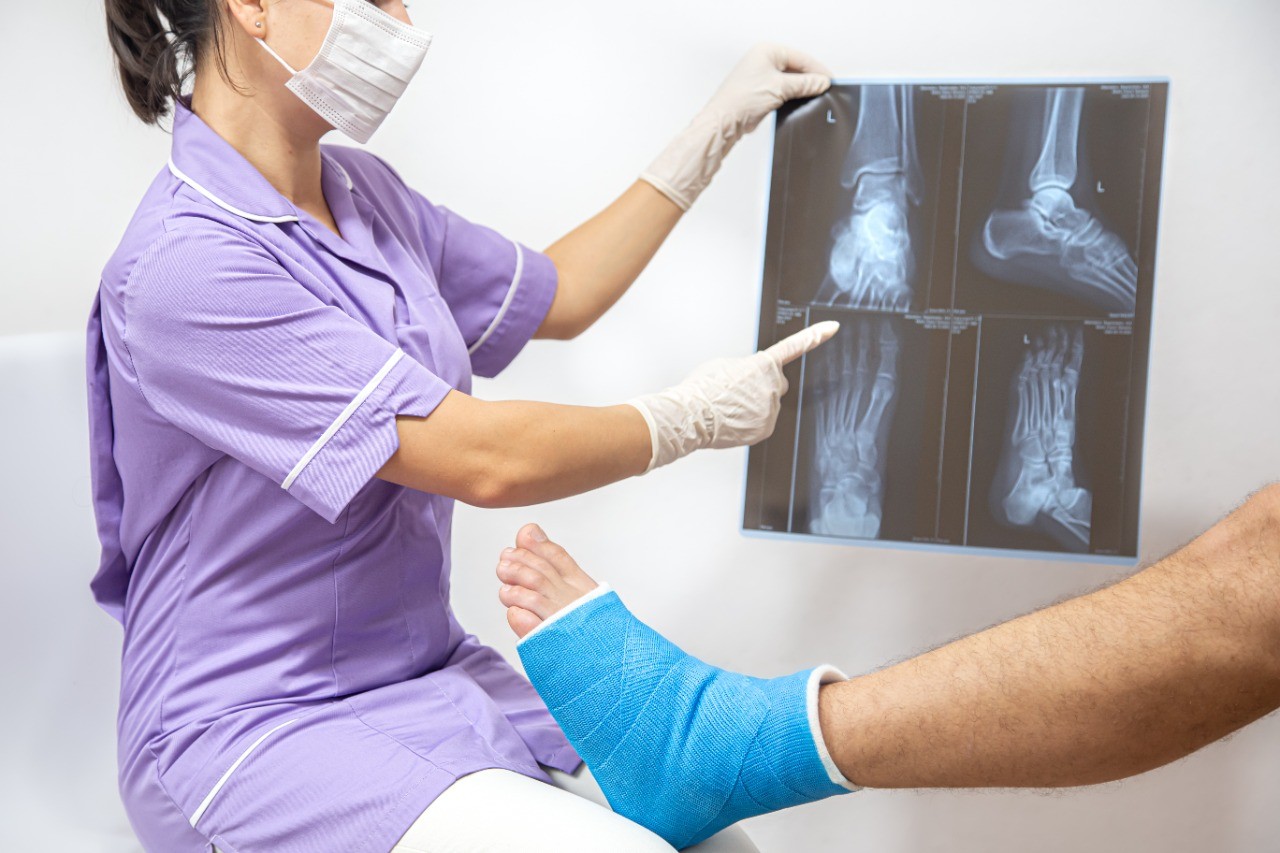
Orthopedic emergencies are sudden medical conditions involving the spine, the limbs, or related structures, or involving their aberrant shape or function. Orthopedic emergencies are frequent in the emergency room (ED) and can pose a risk to limb function if not handled immediately.TYPES OF ORTHOPEDIC EMERGENCIES1. Muscle contusion (bruise): A muscle contusion is caused by blood extravasating into the muscle tissue as a result of direct stress. At first, the bruised muscle will be tender and swollen, and the skin above it will seem red or blue (ecchymosis). The hue of the skin shifts from purple to a greenish-yellow as the blood is reabsorbed.2. Strain: The degree of muscle fiber damage that develops after a muscle is either too stretched or violently flexed against resistance is used to categorize muscular strain injuries.a) First-degree muscle strain is a minor stretching injury of the muscle fibers that is characterized by muscle spasm, mild swelling, local tenderness, and a slight decrease in function.b) Second-degree muscle strain is a partial tearing of the muscle fibers that is characterized by moderate swelling, ecchymosis, and decreased functional strength.c) Third-degree muscle strain is a complete disruption of the muscle that is characterized by swelling, ecchymosis, decreased strength, and a palpable “bulge” caused by the retracted unattached muscle belly. Third-degree muscle strains can lead to significant long-term disability but fortunately are not as common as first- and second-degree strains.3. Sprain: Sprains are damage to the ligaments in the joints that happen when a joint is forced to move abnormally.a) First-degree sprains are characterized by mild hemorrhage and swelling, minimal point tenderness, and no abnormal joint motion (i.e., the joint is stable).b) Second-degree sprains, which occur when the ligaments are partially torn, result in moderate hemorrhage and swelling, tenderness, painful motion, loss of function, and minor joint laxity.c) Third-degree sprains occur when the joint ligaments are completely disrupted. Third-degree sprains may initially appear similar to second-degree sprains, but the patient will have severe joint instability after the swelling subsides.4. Dislocation: When the opposing articular surfaces of the bones are no longer in touch, a joint is said to be dislocated. A partial dislocation is a subluxation (i.e., the articular surfaces are in partial contact).5. Fracture: The disruption of the bony cortex results in a fracture. Pain, edema, and deformity are brought on by the bleeding into the surrounding tissue from the broken bone.a) Descriptive terms: Important details include the following: the affected bone, fracture location, whether the fracture is open or closed, whether the intra-articular extension has occurred, the type of fracture line, description of bone fragments (if present), whether the fracture is complete or incomplete, neurovascular status, and the position or alignment of the bone segments.An open fracture occurs when the skin overlying the fracture is not intact either due to direct trauma or a fragment of bone that penetrates the skin. A subtle open fracture can occur when a bone fragment pierces the skin and then withdraws, leaving only a small puncture wound. Therefore, any fracture with an overlying skin wound should be suspected of being open. A closed fracture occurs when the skin and soft tissue overlying the fracture are intact.An intra-articular fracture is a fracture that extends into the joint surfaces.The fracture line may be spiral, oblique, or transverse. Fractures in children are often described as the buckle (torus), greenstick, or complete fractures. A fracture can also be described as compression, avulsion (chip), or comminuted (shattered) fracture.The bone segments may be in contact with each other or separated by a measurable distance (usually stated in millimeters). The bone segments may be completely displaced (i.e., lying next to each other instead of end to end), partially displaced (i.e., offset from each other by a measured amount), or non-displaced.The angulation of the two bone segments is described by both the direction of the angle (e.g., radial, dorsal, anterior, lateral) and by the degree of the angle formed by the two bone segments.b) Special fracturesPathologic fractures occur when a relatively minor force is applied to the diseased or otherwise weakened bone.Stress fractures are caused by the repetitive application of a minor force to a bone, usually a long bone in the lower extremities. Stress fractures are commonly seen in military personnel (march fracture) and athletes (e.g., joggers, dancers).Salter-Harris fractures involve the epiphyseal plate (i.e., the growth plate) and are common in children.

More details

Published - Tue, 16 Aug 2022

How to Diagnose Orthopedic Emergencies

Created by - Rigomo Team

How to Diagnose Orthopedic Emergencies

A comprehensive physical examination and careful consideration of the patient's medical history can identify many orthopedic emergencies. The emergency doctor takes the patient's medical history and completes a physical examination to determine the potential type and severity of the injury before selecting the best radiography image to confirm the probable diagnosis.PATIENT HISTORY1. Patient age: The patient’s age may give some indication of the type of injury, (e.g., Salter-Harris fractures only occur in young patients, whereas hip fractures are more common in the elderly).2. Chief complaint: Patients with orthopedic emergencies typically present with one or more of the following complaints: pain, swelling, redness, deformity, or diminished function.3. Mechanism of injurya) To forecast the type of injury, it is crucial to understand the mechanism of injury (i.e., how the injury happened). For instance, it could be challenging for a doctor to make a diagnosis in a young child with normal radiographs who won't use his or her right arm if they don't understand the mechanism of the damage. However, the likely diagnosis (radial head subluxation) becomes immediately clear if the doctor is aware that the infant has just been pulled by that arm.b) Selecting the appropriate radiographic images is aided by understanding the cause of damage, particularly when the patient is uncooperative, experiencing transferred pain, or has a distracting injury. For instance, a patient with acute shoulder pain following an injury might get a routine, ordinary shoulder radiograph. However, a second examination of the shoulder can be acquired to confirm this diagnosis if the cause of injury points to posterior dislocation.4. Preexisting illnesses or conditions: The physician should inquire about illnesses and conditions that may negatively impact the healing process (e.g., diabetes, heart disease, steroid therapy, and cancer chemotherapy).PHYSICAL EXAMINATION1. Inspection: The suspected area of injury should be inspected for swelling, discoloration, deformity, abrasions, puncture wounds, and lacerations.a) Orthopedic injuries (including fractures) may have few or no obvious visible abnormalities, especially in children.b) Muscle contusions and severe sprains may result in localized swelling that is similar to the swelling seen with fractures. Radiographs are frequently needed to differentiate sprains and fractures.2. Palpation of the entire extremity may reveal point tenderness, subtle deformities (e.g., a “step off”), or bony crepitus. The area distal and proximal to the pain location should be systematically palpated. Complete palpation is important for two reasons:a) The patient may be unaware of a second injury because of the pain of the primary injury.b) If radiographs are ordered before complete palpation, radiographs of the correct bone may not be obtained.3. Range of motion assessment: Each joint near and far from the injury should, wherever practical, be examined for passive and active range of motion. It is important to record the degree of flexion, extension, and discomfort. To identify small anomalies, the contralateral (unaffected) joint may need to undergo a second assessment of the joint's function.4. Neurologic examination: Nerve injury can result in either sensory or motor deficits. Sensation distal to the injury should be identified before any manipulation of the extremity takes place. Muscles that are innervated by the major nerves of the extremity should be examined for motor function.5. Arterial blood flow assessment: Some orthopedic emergencies (e.g., knee dislocation, fracture or dislocation of the ankle, supracondylar fracture of the elbow in children) are commonly associated with vascular (arterial) injuries. The earlier circulatory compromise is identified and addressed, the less likely it is that permanent injury will result.RADIOGRAPHY1. Viewsa) Standard: The area to be examined radiographically should be based on the history and physical examination findings. Frequently, imaging the joint above and the joint below a suspected fracture is indicated to detect associated fractures or dislocations. Most extremity radiographs include an anteroposterior view, a lateral view, and an oblique view.b) Special: Some fractures are only visible using special radiographic views. Some common orthopedic emergencies that require special views include acromioclavicular separation, fracture of the carpal navicular, posterior shoulder dislocation, and sternoclavicular dislocation. Children may need comparison views of the unaffected extremity to detect epiphyseal plate injuries.2. Findingsa) In the case of stress fractures, the initial radiographs may be normal. However, the presence of new bone growth or bone resorption (which causes the fracture line to become visible) on radiographs taken 2 to 3 weeks later may suggest the fracture. If a fracture is highly suspected but the radiograph is normal, treatment for the fracture should be initiated.b) The normal growth plate appears as a transverse, radiolucent line at the end of the bone. The growth plate can be easily confused with a transverse fracture.

More details

Published - Wed, 17 Aug 2022

What is choking? Causes of choking, Important Steps, Heimlich Maneuver.

Created by - Rigomo Team

What is choking? Causes of choking, Important Steps, Heimlich Maneuver.

Children typically choke from inserting objects in their mouths. They usually try this out of curiosity. However, they'll start choking immediately after ingestion, too quickly Common objects that youngsters choke on are:PopcornCandyPencil erasersCarrotsHot dogsChewing gumPeanutsCherry tomatoesWhole grapesA large piece of fruitA large piece of vegetablesAdults typically choke while swallowing food if it's not chewed properly or you are eating in a hurry or while laughing/talking. What to do if somebody is choking?Use the Red Cross’ “five-and-five” methodology to treat someone who’s choking: Hit the person’s back with the heel of your hand 5 times between the shoulder blades. Next, perform the Heimlich maneuver 5 times. Alternate between the 2 till the person is no longer choking.Don’t perform the five-and-five methodology on a toddler. You must solely provide a kid with the Heimlich maneuver.The Heimlich maneuver - Follow these steps to perform the Heimlich maneuver:Stand behind the person together with your arms wrapped around their waist.Lean the person forward.Ball your hand into a hand and place it on the person’s abdomen, on top of their navel.Grip your hand and press into the person’s abdomen in an upward motion.Repeat this methodology 5 times.If the thing continues to be stuck within the person’s throat, repeat these steps 5 additional times.If the person is unconscious, clear their airway if possible with your finger. However, be cautious to not push the thing more deep into the throat. Visit your doctor afterward for further advice. 

More details

Published - Wed, 17 Aug 2022

Frostbite – Risk, Stage & Symptoms

Created by - Rigomo Team

Frostbite – Risk, Stage & Symptoms

Frostbite is common however it is usually underestimated condition wherein your skin gets affected after exposure to extreme cold weather conditions or cold water. The symptoms include swelling, blisters, and blackened skin. Whereas winter weather is fun, it may also be dangerous. Frostbite can lead to a permanent issue that happens once your body tissues (like fingers, toes, and ears) are scraped by exposure to weather conditions or cold water. This usually happens during extreme chilling winter, in windy weather, and at high altitudes.  Who is at risk of developing frostbite?If your skin is exposed to cold temperatures, you’re in danger of hurt. You’re additionally at a higher risk of developing frostbite if you:• Have chronic disease.• Smoke.• Have peripheral artery disease • Have Raynaud’s disease, a condition that involves periodic narrowing (or spasms) of the blood vessels.• Have poor blood circulation or dehydration.• Haven’t dressed befittingly for weather conditions or high altitude (swimming, hiking, or climbing).• Are elderly• Have a physical or mental condition that stops you from protecting yourself against the cold• Have been drinking alcohol. What are the three stages of frostbite?Frostbite begins with delicate symptoms that may develop quickly after exposure posing a high health risk if the exposure is longer. There are 3 stages including:·        Frostnip is a mild type of frostbite, where the skin is red or a pale white. The skin may additionally feel cold, numb, or tingly. Frostnip is the warning stage when the symptoms remain simply temporary. Thus if you notice symptoms get within forthwith and treat the lesion with heat (never hot) water.·        Superficial (surface) frostbite: This is the second stage where water under the skin may change the phase to ice crystals, and the skin may swell.  you may see dappled patches or purple or blue areas that hurt or burn (just sort of a bruise). Your red skin would possibly begin to peel and hurt just like sunburn — and at this point, you may need immediate medical treatment. You may get fluid-filled blisters within a day too. ·        Severe (deep) frostbite: In the third stage of deep frostbite all layers of the skin and underlying tissues are affected. The skin changes its color from healthy pink to pale white or blue-gray. The area becomes completely numb, and all sensations of cold, or pain are lost. The movement is lost as Joints or muscles may completely stop working. After rewarming, Large blisters are formed after 24 to 48 hours. The tissue dies as it becomes hardened and may need to be removed surgically.   Symptoms of Frostbite–Frostbite becomes severe as your skin temperature drops or the longer your skin stays exposed. The symptoms include:• Numbness.• A painful feeling of “pins and needles” within the exposed space.• Hardening of your skin that’s been uncovered for too long in the cold.• Redness (for delicate frostbite).• Pale or waxy (for severe frostbite).• Swelling.• Blisters (clear or blood-filled) or scabs. • Loss of coordination (stiff movements, falling).

More details

Published - Thu, 18 Aug 2022

Basic management of orthopedic emergencies

Created by - Rigomo Team

Basic management of orthopedic emergencies

1. Sprains: Since ligaments don't have a lot of blood flow, sprains can take up to 8 weeks to heal. Dismissing the injury as "just a sprain" should be avoided by doctors because doing so gives the patient the unreasonable expectation of a quick and complete recovery.a) First and second-degree sprains: RICE, which stands for rest, immobilization, compression, and elevation, is the first line of treatment, along with analgesics or anti-inflammatory drugs. Typically, first- and second-degree sprains don't have any lasting effects.b) Third-degree sprains: Patients with third-degree sprains should seek immediate orthopedic advice since these injuries might result in permanently reduced joint function. For several weeks, these sprains may need to be immobilized in circumferential casts, or they may need to be surgically repaired.2. Fractures and dislocationsa) Stabilization of the patient: Although orthopedic emergencies are seldom life-threatening, concurrent life-threatening injuries may be present. Therefore, airway, breathing, and circulation (the ABCs) should be assessed first and appropriate measures are taken. Generally, in multiple trauma patients, airway, head, thorax, and abdominal injuries are treated before orthopedic injuries, although some orthopedic injuries (e.g., pelvic fractures of midshaft femur fracture) can significantly contribute to hemodynamic instability.b) Reduction of swelling: Swelling occurs early after a fracture or dislocation and can increase the patient’s pain and delay the application of definitive immobilization.— Elevation of the extremity and application of cold compresses are effective measures for preventing the progression of swelling.— Potentially constricting jewelry on the injured extremity should be removed in anticipation of extremity swelling.c) Temporary immobilization: The suspected fracture or dislocation should be immobilized early in the ED visit. Immobilization reduces the patient’s pain, diminishes the potential for damage to the neurovascular bundle, and reduces swelling and bleeding. Additionally, stabilization and immobilization facilitate patient transport, expedites the radiographic examination, and, in the case of fractures, reduce the chance of a sharp bone fragment puncturing the skin and converting a closed fracture to an open fracture.— For fractures, temporary immobilization is accomplished by splinting across the fracture and the joints proximal and distal to the fracture.— For dislocations, the joint may be immobilized using a splint or sling.d) Pain control: Most patients with fractures or dislocations will become increasingly comfortable when the extremity is sufficiently immobilized.e) Reduction is the process of restoring the bone or joint to its normal anatomic configuration: Early reduction decreases pain, may restore circulatory or nerve function, and prevents the progression of swelling.— Generally, a radiograph of the bone or joint is obtained before the reduction of the fracture or dislocation.— Analgesics and sedatives are usually required for most reductions, which are generally accomplished by applying slow, steady, longitudinal traction.— A post-reduction radiograph is always needed to document the success of the procedure, determine if additional injuries are present, and assess the need for additional treatment.f) Post-reduction immobilization: Reduced fractures and reduced dislocations must be immobilized before the patient is released from the ED (see Immobilization). Immobilization1. Splints or circumferential casts are usually used to immobilize fractures: Splinting is less likely than circumferential casting to lead to pressure sores, circulatory compromise, and neurapraxia. After the swelling has decreased, a circumferential cast can be applied.a) Patients with fractures that are not prone to complications and have only minimal swelling may be treated in the ED with circumferential casting.b) Splints are usually made from plaster of Paris or fiberglass. Water causes an exothermic chemical reaction, which causes the material to harden over several minutes. During this process, the splint is molded along one side of the extremity, which is held in the appropriate position. Padding is placed between the skin and splint, and the splint is secured to the extremity with an elastic bandage wrapped circumferentially around the extremity and splint.2. Immobilization dressings: In addition to splints, several dressings are commonly used in the ED. Examples include the shoulder sling, sling and swath, and knee immobilizer.

More details

Published - Fri, 19 Aug 2022

How to diagnose Frostbite? What are the Causes and Treatment

Created by - Rigomo Team

How to diagnose Frostbite? What are the Causes and Treatment

Causes –o   Frostbite happens when skin is exposed to cold temperature or cold water for an extended time o   Direct contact with Ice packs and cold metal may also cause harm if they’re ironed directly against your skin. The water in the skin freezes due to cold exposure which may cause visible and invisible harm to cells and soft tissues. It usually affects extremities [fingers/ toes/ears], however, it can also affect the cheeks and chin. The damage can go deep below the skin, including muscles, nerves, and jointsDiagnosisThere are not any easy tests to inform how badly you’ve been impacted by frostbite. The physician will inspect the area, and evaluate the history of cold exposure that including the time, the person was exposed to extreme temperatures. o   Depending on the stages of frostbite and associated symptoms imaging methods [such as X-RAY] can be used to diagnose the severity.o   Physical examination may include inspection of skin color [white/red/black] and presence of blisters [clear or blood-filled]. o   Clear blisters indicate temporary damage whereas blood-filled blisters are suggestive of long-term damage. o   Black gangrenous skin needs surgical removal for preventing gangrene.  TreatmentTime is vital when you are exposed to severe cold and experience symptoms of frostbite such as pain or red fingers. Immediately move into the warm area and gently heat your skin. If symptoms are severe [2nd/3rd stage] then seek emergency medical care immediately too   Help raise your blood temperatures in lukewarm water or by applying heat for half an hour.o   Dress your frozen or wounded skin with sterile bandageso   Keep your fingers and toes separated to avoid rubbing.o   Test blood flow in the affected area. In the case of 3rd stage frostbite, blood circulation and hydration can be improved by giving IV fluids. o   Antibiotics, pain relievers, tetanus shots, and/or oxygen therapy are given as supportive therapy 

More details

Published - Sat, 20 Aug 2022

Impact of Epilepsy on quality of life?

Created by - Rigomo Team

Impact of Epilepsy on quality of life?

The impact of epilepsy is varied and intensive.  The incidence of seizures is unpredictable and infrequently dangerous, increasing the danger of injury, hospitalization, and mortality. It also adversely affects a patient's psychological state, usually leading to anxiety, depression, or psychological impairment. Seizures may end in social exclusion, with harmful effects on self-confidence. However, the burden of the disease extends more as compared with the consequences of seizures themselves. The side effects of medicines and the disease itself invariably have been shown to impact negatively on subjective health and quality of life.Patient surveys give valuable insights into what matters to patients in their daily lives and highlight necessary discrepancies between the perceptions of patients and their physicians. for instance, survey information shows that physicians underestimate the number of patients experiencing medicine-related side effects and also the impact of those on patients. Screening questionnaires facilitate physicians to quickly determine issues with treatment side-effects and effects; conjointly, to acknowledge comorbidities like depression that might be difficult to spot in a time-limited consultation. Ultimately, it is certain that epilepsy needs a holistic approach, with treatment tailored to the individual patient's needs; this could solely be achieved through effective doctor-patient communication and also the full involvement of a multidisciplinary care team.Epilepsy may be a varied chronic disorder that has various and complicated effects on the well-being of the patient. Though it's evident that seizure duration and frequency play a crucial role in the quality of life (QOL) of patients with the disease, it's less clear what are the key determinants that influence QOL in patients receiving therapy.Home Safety measures needed to be taken for the patient with Epilepsy -Many flats or homes should be modified to create safe environments for folks that have seizures. Several of those changes are straightforward and don't need a lot of time or investment. If vital changes are necessary, make sure to contact the owner or property manager before creating the changes. These straightforward fixes may result in an exceedingly vital increase in safety:First, Walk-through the rooms to identify potential dangers. Note any sharp corners on a piece of furniture and counters, slippery floors, or hot places like fireplaces and stoves. Also, places with staircases and pools have distinctive issues.General Precautions– All the floors of all rooms should be covered with dense pile carpet to safeguard from falling injuries. Also, pad any sharp corners which can hit while falling during a seizure. Make sure that every walkway is free from obstacles.The Kitchen– Use appliances that can shut off mechanically once not in use. Try to use a kitchen appliance rather than a stove for cookery. If you're employing a stove try to use electrical over gas, to avoid the burns if a seizure happens. Plastic containers should be substituted for glass which can shatter and may cause hurt The lavatory– Bathroom doors ought to open outward, not inward just in case seizures occur in the restroom. Install a shower seat, non-slip strips, and grab bars within the bathroom. Use glass for shower doors. Be aware of water temperature settings. Keep the bath drain flowing freely and keep tub water levels low.Living Alone–Use a “buddy system” and have somebody decide for you if you are not well. Pre-program necessary phone numbers. take a private care hotline like Lifeline just in case of emergency. Keep floors clean from litter. Place barriers ahead of any things which will get hot like stoves and radiators. Have chairs that have arms that are often a little low to stay safe throughout a seizure. The challenges of living with epilepsy are also completely different for kids, adolescents, and seniors. 

More details

Published - Thu, 25 Aug 2022

Search
Popular categories
Latest blogs
Digital Health Records in India: Benefits, Challenges, and What Doctors Should Know
Healthcare is becoming increasingly digital, and electronic health records are playing an important role in transforming how patient information is managed.Traditionally, hospitals and clinics have relied on paper files to maintain medical histories, prescriptions, laboratory reports, and treatment records. However, managing physical documents can be time-consuming and make it difficult to access a patient's complete medical history.Digital health records offer a more organized approach. They help healthcare professionals store, access, and manage patient information electronically, supporting better coordination and continuity of care.In India, the Ayushman Bharat Digital Mission (ABDM) is an important initiative supporting the development of a connected digital healthcare ecosystem.What Are Digital Health Records?Digital health records are electronic versions of a patient's medical information. They may include:Medical history and previous diagnoses.Doctor consultation notes.Prescriptions and medication details.Laboratory and diagnostic reports.Hospital admission and discharge summaries.Treatment and follow-up information.These records help authorized healthcare professionals review relevant patient information and maintain organized medical documentation.Understanding ABHA and ABDMIndia's Ayushman Bharat Digital Mission aims to make healthcare information more accessible and interoperable.Two important terms are:ABHA (Ayushman Bharat Health Account): A digital health identity that helps individuals link and access their health records across participating healthcare providers.ABDM (Ayushman Bharat Digital Mission): A national initiative that supports the development of digital health infrastructure and enables secure, consent-based exchange of health information.An important distinction is that ABHA is an identity, not a central storage location for every medical record. Health records generally remain with the healthcare providers that create them, while ABDM facilitates their exchange with appropriate consent.Read more about ABDM – National Health AuthorityBenefits of Digital Health Records for Doctors and Patients1. Easier Access to Patient InformationDigital records can help authorized doctors review previous prescriptions, diagnostic reports, and medical histories without relying entirely on physical files.This can be particularly useful when patients visit multiple healthcare facilities.2. Better Continuity of CareWhen relevant records are available across participating healthcare providers, doctors can gain a better understanding of a patient's previous treatment and medical history.This can support more coordinated care, especially for patients managing long-term health conditions.3. Reduced PaperworkDigital documentation can reduce dependence on physical files and help clinics organize prescriptions, consultation notes, and reports more efficiently.4. Improved Healthcare CoordinationDigital health information can support communication between doctors, diagnostic laboratories, hospitals, and other authorized healthcare professionals.5. Greater Patient ConveniencePatients can benefit from easier access to their health information and may not need to carry multiple physical reports whenever they visit a participating healthcare facility.How Digital Health Records Are Transforming Healthcare in IndiaIndia's digital healthcare ecosystem has expanded through initiatives such as ABDM.According to a Ministry of Health and Family Welfare announcement dated May 22, 2026, more than 100 crore health records had been linked with ABHA under the mission.This demonstrates the growing adoption of digital health infrastructure across India.The initiative aims to support more connected healthcare services, improve access to medical information, and make health information exchange more convenient.Source: Press Information Bureau – 100 Crore Health Records Linked with ABHAPractical Examples of Digital Health RecordsExample 1: A Multi-Specialty ClinicA patient visits a general physician and later consults a specialist. With appropriate consent and compatible digital systems, relevant previous consultation records and reports can be shared with the specialist.This can help reduce repeated information collection.Example 2: Diagnostic LaboratoryA patient completes a blood test at a participating laboratory. The digital report can be made available through an appropriate connected health record system, allowing the patient to access and share it with an authorized doctor.Example 3: Hospital Follow-UpAfter discharge, a patient needs follow-up consultations. A digital discharge summary can help the treating doctor review previous treatment, medications, and follow-up recommendations.These examples illustrate potential workflows; actual availability depends on system integration and patient consent.Challenges of Digital Health RecordsDespite their benefits, digital health records also introduce challenges that healthcare organizations must address.1. Data Privacy and SecurityMedical records contain sensitive personal information. Healthcare providers must use secure systems, restrict access to authorized users, and follow applicable data protection requirements.2. Digital LiteracySome patients and healthcare professionals may need assistance understanding and using digital health platforms.Training and user-friendly systems are important for wider adoption.3. Technology and InfrastructureSmaller clinics and healthcare facilities may face challenges involving internet connectivity, software costs, equipment, and technical support.4. InteroperabilityDifferent hospitals and clinics may use different software systems. Digital health platforms need compatible standards to exchange information effectively.5. Data AccuracyIncorrect or incomplete medical information can create confusion. Healthcare professionals must ensure that records are properly updated and verified.What Doctors Should Consider Before Adopting Digital Health RecordsDoctors and clinic owners can take a few practical steps when moving towards digital documentation:Choose reliable software: Select a suitable electronic health record system that meets the clinic's requirements.Check ABDM compatibility: Evaluate whether the software supports relevant ABDM standards and integrations.Protect patient information: Use appropriate security controls and access permissions.Train clinic staff: Ensure that doctors, nurses, and administrative teams understand the system.Maintain accurate records: Review patient information regularly and correct errors when identified.Respect patient consent: Follow appropriate consent procedures before sharing health information.ConclusionDigital health records are becoming an important part of India's changing healthcare landscape. They can help doctors organize patient information, reduce paperwork, improve healthcare coordination, and support continuity of care.Initiatives such as the Ayushman Bharat Digital Mission are creating opportunities for a more connected digital healthcare ecosystem.However, successful adoption requires secure technology, accurate records, staff training, interoperability, and patient consent.For doctors and clinic owners, understanding digital health records is an important step towards modernizing medical practice and delivering more coordinated patient care.SEO DetailsSEO Title: Digital Health Records in India: Benefits and Challenges for DoctorsMeta Description: Learn how digital health records are transforming healthcare in India, including ABHA, ABDM, benefits for doctors, data privacy, and implementation challenges.URL Slug: digital-health-records-indiaPrimary Keyword: Digital Health Records in IndiaSecondary Keywords: Electronic Health Records, ABHA Health ID, Ayushman Bharat Digital Mission, Digital Healthcare in India, EHR for Doctors, Healthcare Technology, Patient Medical Records, Digital Health ManagementCategory: Healthcare TechnologyReferencesNational Health Authority – Ayushman Bharat Digital MissionPress Information Bureau – 100 Crore Health Records Linked with ABHAGovernment of India – Cybersecurity Under ABDMGovernment of India – Electronic Health Record Standards

2 Hours Ago

AI in Clinical Documentation: How Doctors Can Save Time While Maintaining Accuracy
Clinical documentation is an essential part of healthcare, but preparing patient records, consultation notes, discharge summaries, and referral letters can take significant time.Artificial Intelligence (AI) is helping healthcare professionals simplify these tasks. AI-powered tools can convert consultation conversations into structured notes, summarize patient information, and assist with medical record management.When used responsibly, these tools can reduce administrative work and allow doctors to focus more on patient care.What Is AI-Powered Clinical Documentation?AI-powered clinical documentation uses technologies such as speech recognition, Natural Language Processing (NLP), and generative AI to create and organize medical records.These tools can help doctors:Prepare patient consultation notes.Summarize medical histories.Draft discharge summaries.Prepare referral letters.Organize examination findings and treatment plans.Create follow-up documentation.AI supports the documentation process but does not replace a doctor's clinical judgment.How Does AI Clinical Documentation Work?AI documentation tools generally follow three steps:1. Capturing Information: The software processes approved consultation conversations or information entered by healthcare professionals.2. Organizing Medical Details: AI identifies relevant information, such as symptoms, medical history, medications, and examination findings.3. Creating Clinical Notes: The system prepares a structured draft that the doctor can review, correct, and approve.The final medical record must always be checked by an authorized healthcare professional.Key Benefits of AI in Clinical Documentation1. Saves TimeAI can reduce repetitive typing and assist with preparing clinical notes, helping doctors manage documentation more efficiently.2. Improves Documentation OrganizationAI can arrange medical information into structured sections, making patient records easier to read and review.3. Supports Patient InteractionBy reducing manual documentation during consultations, AI may help doctors give more attention to conversations with patients.4. Simplifies Record ManagementAI can assist with summarizing lengthy patient histories and preparing drafts of medical documents.Research published in the Journal of the American Medical Informatics Association and JAMA Network Open has examined the use of AI-powered documentation tools in clinical settings.Read research on ambient AI scribesRead the JAMA Network Open studyCommon Uses in HealthcareAI-powered documentation can support different clinical workflows:OPD Notes: Prepare structured notes from patient consultations.Discharge Summaries: Organize hospital treatment details and follow-up instructions.Referral Letters: Create drafts containing relevant patient information.EHR Management: Help organize information in electronic health records.Follow-Up Records: Summarize patient progress and future care plans.Practical ExamplesExample 1: General Physician ClinicA doctor uses an AI documentation tool to prepare a consultation note based on an approved patient conversation. The doctor reviews the draft and corrects any missing details before saving it.Example 2: Hospital DischargeAI helps organize patient information into a discharge summary, including treatment details, medications, and follow-up instructions. The treating doctor verifies the final document.Example 3: Specialist ConsultationA specialist uses AI to summarize relevant information from a patient's medical history, making it easier to review previous consultations and records.These examples illustrate potential uses rather than guaranteed results.Challenges and LimitationsDespite its benefits, AI documentation has important limitations.Accuracy: AI may misunderstand medical terminology or generate incorrect information.Patient Privacy: Healthcare organizations must protect sensitive patient information.System Integration: Some tools may require integration with existing electronic health record systems.Professional Oversight: Doctors must review and approve AI-generated records.Implementation Costs: Software, training, and maintenance may involve additional expenses.Healthcare organizations should choose secure, approved solutions and follow applicable privacy and data protection requirements.Best Practices for Using AITo use AI responsibly in clinical documentation, healthcare professionals should:Review every AI-generated note before approval.Follow appropriate patient consent and privacy requirements.Use secure and trusted software platforms.Train staff to understand the technology and its limitations.Regularly monitor documentation quality and accuracy.The Future of AI in Clinical DocumentationAI technology is expected to become increasingly integrated into electronic health records and everyday clinical workflows.Future systems may offer better medical language recognition, multilingual documentation, and more efficient patient record summaries.However, successful adoption will depend on accuracy, data security, transparency, and human oversight.The World Health Organization also emphasizes responsible governance and ethical use of AI in healthcare.Read WHO guidance on AI in healthcareConclusionAI in clinical documentation offers doctors and healthcare organizations an opportunity to simplify administrative tasks, organize medical records, and improve workflow efficiency.From consultation notes to discharge summaries, AI can assist with preparing structured medical documents. However, patient privacy, clinical accuracy, and professional review must always remain priorities.AI should be treated as a supportive tool, not a replacement for medical expertise. With responsible implementation, it can help healthcare professionals spend less time on repetitive documentation and more time focusing on quality patient care.SEO DetailsSEO Title: AI in Clinical Documentation: Benefits and Uses for DoctorsMeta Description: Discover how AI in clinical documentation helps doctors save time, organize medical records, improve workflow efficiency, and maintain accuracy.URL Slug: ai-in-clinical-documentationPrimary Keyword: AI in Clinical DocumentationSecondary Keywords: AI Medical Documentation, AI Tools for Doctors, Automated Clinical Documentation, AI in Healthcare, Medical Scribing Technology, AI Clinical Notes, Electronic Health RecordsCategory: Healthcare TechnologyReferencesJournal of the American Medical Informatics Association – Ambient AI ScribesJAMA Network Open – AI Documentation ResearchWorld Health Organization – Ethics and Governance of AI for Health

1 Day Ago

Financial Planning for Doctors: Clinic Management and Growth
Financial Planning for Doctors: How to Manage Clinic Finances and Build a Sustainable Medical PracticeRunning a successful medical practice requires more than clinical expertise and the ability to provide quality patient care. Doctors who establish their own clinics must also understand financial planning, expense management, revenue generation, and daily business operations.Many healthcare professionals focus primarily on treating patients but underestimate the financial and administrative responsibilities involved in managing a medical practice. Expenses such as rent, staff salaries, medical equipment, electricity, maintenance, and medical supplies can quickly add up. Without proper financial planning, even a clinic with a steady flow of patients may experience financial difficulties.Financial planning plays an important role in ensuring that a medical practice remains financially stable while continuing to deliver quality healthcare services.From preparing a realistic budget to managing cash flow and investing in technology, doctors need to develop essential financial management skills to build a sustainable practice.In this article, we explore the key aspects of financial planning and clinic management, practical strategies doctors can implement, and real-world healthcare case studies that demonstrate how better financial and operational management can improve clinic performance.Why Financial Planning Is Important for Medical PracticesFinancial planning helps doctors understand how much money their clinic earns, how much it spends, and where improvements can be made.A clinic may receive a considerable number of patients every day, but high patient volume does not automatically translate into financial stability. Poor expense management, delayed payments, inefficient billing, and unnecessary purchases can reduce profitability.Effective financial planning helps doctors:Understand their clinic's financial position.Prepare monthly and annual operating budgets.Control unnecessary expenses.Maintain sufficient cash flow.Plan investments in medical equipment and technology.Manage staff salaries and operational costs.Prepare for unexpected financial challenges.Identify opportunities for sustainable growth.Financial planning should not be treated as a one-time activity. Doctors should regularly review their clinic's financial performance and adjust their plans according to changing operational requirements.1. Understanding the Financial Needs of a Medical PracticeBefore establishing a clinic or expanding an existing one, doctors should understand the financial requirements involved in running the practice.These expenses can generally be divided into three categories.Initial Setup CostsThese are expenses incurred when establishing a new clinic.Common examples include:Renting or purchasing clinic space.Interior design and renovation.Medical equipment and diagnostic instruments.Furniture and waiting-room arrangements.Computers and practice management software.Licences, registrations, and professional services.The initial investment depends on the clinic's specialty, location, size, and services offered.Fixed Operating CostsFixed costs are recurring expenses that generally remain stable over a particular period.Examples include:Monthly rent.Staff salaries.Internet and software subscriptions.Insurance premiums.Equipment financing payments.Certain maintenance contracts.Understanding fixed expenses helps doctors calculate the minimum monthly revenue required to keep the clinic operational.Variable Operating CostsVariable expenses change depending on patient volume and clinical activities.These may include:Medical consumables.Diagnostic supplies.Laboratory materials.Utility consumption.Cleaning supplies.Equipment servicing and repairs.Separating expenses into these categories makes budgeting easier and helps doctors identify areas where cost management may be improved.2. Budgeting and Managing Clinic ExpensesA well-prepared budget provides a financial roadmap for a medical practice.Doctors should prepare a monthly operating budget that includes expected revenue, fixed expenses, variable expenses, and planned investments.For example, a small outpatient clinic may prepare a monthly budget covering rent, salaries, electricity, medical supplies, software, equipment maintenance, and other administrative costs.The actual figures will depend on the clinic's location, specialty, and size.Practical strategies for better expense managementTrack Every Expense: Maintain accurate records of purchases, payments, salaries, and other operational expenses.Review Supplier Agreements: Compare suppliers periodically and evaluate whether existing agreements provide appropriate value and quality.Monitor Inventory: Maintain an organised inventory system to avoid excessive purchasing, expired products, and unnecessary stock accumulation.Avoid Unnecessary Investments: Purchase equipment according to actual clinical requirements rather than investing in expensive technology that may remain underutilised.Review Monthly Performance: Compare actual expenses with the planned budget to identify unexpected increases.Expense management should never compromise patient safety, clinical quality, or the standards required for medical equipment and supplies.3. Setting Consultation Fees and Pricing Medical ServicesConsultation fees are an important component of a clinic's financial planning.Doctors should establish their pricing structure by considering the costs involved in providing services, their specialty, local market conditions, patient requirements, and applicable professional and regulatory considerations.A pricing decision should account for:Clinic rent and operational expenses.Staff and administrative costs.Medical equipment and maintenance.Time spent with each patient.The complexity of services provided.Local healthcare affordability.For example, a specialist clinic providing longer consultations or additional diagnostic services may have a different cost structure from a general outpatient practice.Doctors should regularly review their pricing structure to ensure that it remains financially sustainable and transparent to patients.It is equally important to communicate consultation charges and service costs clearly before providing services.4. Managing Cash Flow and Clinic RevenueCash flow is one of the most important aspects of clinic management.It refers to the movement of money into and out of a medical practice.A clinic may generate revenue through consultations, diagnostic services, procedures, health packages, and other legitimate medical services. However, delayed payments and poor financial tracking can create cash flow problems.For example, a clinic that provides services through insurance or third-party administrators may have to wait for reimbursement after submitting claims.During this period, the clinic still needs to pay salaries, rent, suppliers, and other operational expenses.Ways to improve cash flowMaintain accurate billing records.Collect payments promptly according to the clinic's payment policy.Submit insurance claims with complete and accurate documentation.Monitor pending payments regularly.Follow up on rejected or delayed claims.Maintain a monthly cash flow statement.Keep an appropriate financial reserve for unexpected expenses.Doctors should also distinguish between revenue generated, payments received, outstanding receivables, and actual operating profit.These figures provide different information about the financial health of a practice.5. Investing in Medical Equipment and TechnologyMedical equipment and digital technology are essential investments for modern healthcare practices.However, every investment should be evaluated according to its clinical value and financial impact.Before purchasing new equipment, doctors should consider:Initial purchase cost.Installation and maintenance expenses.Staff training requirements.Expected patient demand.Equipment lifespan.Potential revenue contribution.Clinical benefits and patient safety.Technology can also improve the administrative side of clinic management.For example, practice management systems can help organise appointments, maintain billing records, manage patient information, and monitor daily operations.Electronic health records can reduce dependence on paper-based documentation and make relevant patient information easier to access.The objective should not simply be to purchase more technology. It should be to identify solutions that improve efficiency, support better patient care, and provide long-term value.6. Managing Staff Salaries and Operational CostsStaff members play an important role in the daily functioning of a medical practice.Receptionists, nurses, administrative employees, technicians, and other healthcare professionals contribute to patient experience and clinic efficiency.However, staff salaries also represent a significant recurring expense.Doctors should plan staffing requirements according to patient volume, clinical services, operating hours, and administrative responsibilities.Important staff management considerationsDefine Roles and Responsibilities: Every employee should understand their responsibilities and reporting structure.Plan Staff Schedules: Organise shifts according to patient appointments and operational requirements.Invest in Training: Staff training can improve communication, documentation, billing accuracy, and patient coordination.Monitor Workload: Ensure that responsibilities are distributed appropriately to avoid unnecessary administrative pressure.Review Staffing Costs: Regularly evaluate whether staffing arrangements meet the clinic's operational needs without compromising service quality.Effective staff management improves both operational efficiency and the overall patient experience.7. Using Financial Reports to Make Better DecisionsDoctors should not depend only on their bank balance to evaluate the performance of their clinic.Financial reports provide a clearer understanding of how the practice is performing.Some important reports include:Profit and Loss StatementThis report summarises the clinic's income and expenses over a specific period. It helps doctors understand whether the practice is generating an operating profit or experiencing a loss.Cash Flow StatementThis report tracks the money entering and leaving the business. It helps identify potential liquidity problems.Balance SheetA balance sheet provides information about the clinic's assets, liabilities, and owner's equity at a particular point in time.Accounts Receivable ReportThis report tracks outstanding payments from patients, insurance providers, or other parties.Monthly Expense ReportThis report helps doctors identify where money is being spent and compare actual costs with the planned budget.Reviewing these reports regularly allows doctors to identify financial problems early and make better-informed decisions.8. Real-World Case Studies: How Better Financial Management Improves Healthcare OperationsUnderstanding financial management becomes easier when we examine real healthcare organisations that have improved their financial and operational performance through better systems and processes.The following examples demonstrate how effective revenue management, billing improvements, and operational planning can contribute to better financial outcomes.Case Study 1: Brownsville Community Health Centre – Improving Revenue CollectionOne useful example comes from the Brownsville Center, documented by The Commonwealth Fund.The organisation faced challenges in generating sufficient revenue to sustain its healthcare services. It participated in a Revenue Maximization (RevMax) Learning Collaborative to improve its collection processes and financial management.The programme focused on improving billing practices, reducing delays between service delivery and billing, addressing rejected claims, and strengthening internal financial controls.Reported results included:Average weekly cash receipts increased by 46%.Reimbursement per visit increased by 55%, from $78 to $121.Total revenue increased by 51%, representing an additional $345,000.Patient visit volume increased by 5%.This case demonstrates the importance of managing the complete revenue cycle rather than focusing only on attracting more patients.For independent medical practices, the key lesson is to maintain accurate billing records, collect payments efficiently, monitor rejected claims, and establish clear financial responsibilities.Source: The Commonwealth Fund – Revenue Maximization Program at the Brownsville CenterCase Study 2: Clinics of North Texas – Improving Revenue Cycle ManagementClinics of North Texas provides another example of how better revenue cycle management can improve financial performance.The practice worked with an external revenue cycle management team to improve billing operations, address denied claims, monitor payments, and identify documentation issues.The organisation also received support in tracking payer policy changes and improving its revenue collection processes.Reported results included:Annual revenue increased by 20% after the transition.Average days in accounts receivable decreased from 36 to 23.The proportion of accounts receivable under 90 days increased from 16% to 56%.Gross collection rate improved by 1.64 percentage points.The case highlights how accurate documentation, regular claim follow-up, and organised billing systems can reduce administrative inefficiencies.For doctors managing independent clinics, an important takeaway is that every consultation and service should be documented and billed accurately.Source: Medical Group Management Association (MGMA) – Using an RCM Solution to Maximize Revenue and Reduce Administrative BurdenCase Study 3: A Medical Group's Operational Transformation – Reducing Costs and Improving EfficiencyA case study published by Baker Tilly describes how a medical group improved its operations by introducing lean management principles.The organisation focused on improving appointment scheduling, organising clinical workspaces, managing inventory, and strengthening revenue cycle processes.These changes helped reduce operational inefficiencies and improve the use of available resources.Reported results included:More than 10,000 additional annual appointment opportunities.Approximately $155,000 saved through reduced appointment no-shows.More than 900 square feet of workspace reclaimed.Over 4,400 annual staff hours freed through revenue cycle improvements.An estimated $1.7 million in financial improvement since 2017.Although this example involves a larger medical group rather than a small independent clinic, its principles can be applied to practices of different sizes.Doctors can begin with simple improvements such as better appointment scheduling, inventory tracking, clearly assigned staff responsibilities, and organised billing workflows.Source: Baker Tilly – Case Study: Health System Becomes a Lean EnterpriseWhat Can Independent Doctors Learn from These Case Studies?These examples highlight several practical lessons:Increasing patient numbers is not the only way to improve financial performance. Better billing and collection processes also matter.Accurate documentation helps reduce billing errors and payment delays.Appointment scheduling and reminder systems can reduce avoidable operational losses.Inventory management can prevent unnecessary expenditure.Regular financial reporting helps identify problems before they become serious.Efficient administrative processes allow doctors and staff to spend more time on patient care.The results reported in these case studies relate to specific organisations and should not be treated as guaranteed outcomes for every clinic.9. Common Financial Mistakes Doctors Should AvoidEven experienced healthcare professionals can encounter financial difficulties when managing their own practices.Some common mistakes include:Mixing Personal and Business FinancesDoctors should maintain separate records and accounts for personal and clinic-related transactions. This makes financial tracking and accounting more organised.Not Preparing an Operating BudgetWithout a budget, it becomes difficult to identify unnecessary expenses or plan future investments.Ignoring Outstanding PaymentsUnpaid invoices and delayed reimbursements can create cash flow problems. Regular monitoring of outstanding payments is essential.Overinvesting in EquipmentPurchasing expensive equipment without evaluating patient demand, maintenance requirements, and expected utilisation can create unnecessary financial pressure.Ignoring Financial ReportsA clinic may appear busy while experiencing poor financial performance. Regularly reviewing financial statements helps doctors understand the actual position of their practice.Not Planning for Unexpected ExpensesEquipment breakdowns, emergency repairs, and temporary reductions in patient volume can affect clinic finances. Maintaining an appropriate financial reserve can help manage unexpected situations.10. Strategies for Long-Term Clinic GrowthFinancial stability is not only about reducing expenses. It also involves creating a sustainable operational model that supports future growth.Doctors can consider the following strategies:1. Develop a Long-Term Financial PlanPrepare financial projections for the next 12 months and review them periodically. Include expected revenue, operational expenses, planned investments, and potential risks.2. Improve Patient ExperienceClear communication, organised appointments, professional staff, and efficient clinic operations can support patient satisfaction and long-term trust.3. Use Digital Practice Management ToolsDigital systems can improve appointment scheduling, documentation, billing, and reporting.4. Monitor Clinic Performance IndicatorsTrack important indicators such as monthly revenue, operating expenses, patient no-show rates, outstanding payments, and appointment utilisation.5. Evaluate Expansion CarefullyBefore opening another branch or introducing a new service, evaluate the financial requirements, patient demand, staffing needs, and operational risks.6. Work With Financial ProfessionalsChartered accountants and qualified financial advisors can help doctors with accounting, taxation, compliance, financial forecasting, and investment planning.A combination of clinical expertise, financial awareness, and effective management can help build a sustainable medical practice.ConclusionFinancial planning is an essential part of managing a successful medical practice. Doctors need to understand not only how to provide quality healthcare but also how to manage the financial and operational responsibilities involved in running a clinic.From preparing budgets and controlling expenses to managing cash flow, investing in technology, and analysing financial reports, every aspect of financial management contributes to the long-term stability of a practice.The real-world case studies discussed in this article demonstrate that improvements in billing, revenue collection, scheduling, and operational efficiency can create meaningful financial benefits for healthcare organisations.However, every clinic has different requirements depending on its specialty, location, size, and patient population. Financial strategies should therefore be adapted to the specific needs of each practice.As healthcare continues to evolve, doctors who develop both clinical and management skills will be better prepared to establish sustainable practices, improve operational efficiency, and deliver quality patient care.Ultimately, successful clinic management is about maintaining the right balance between financial sustainability, operational efficiency, and patient-centred healthcare.

5 Days Ago

All blogs