Where possibilities begin | Rigomo

Where possibilities begin

We’re a leading marketplace platform for learning and teaching online. Explore some of our most popular content and learn something new.
Total 233 Results
HOW TO PREVENT HEMORRHOIDS

Created by - Rigomo Team

HOW TO PREVENT HEMORRHOIDS

Hemorrhoids, often known as piles, are enlarged veins in the lower rectum and anus that resemble varicose veins. Hemorrhoids can affect anyone. There are several internal and exterior blood veins close to the anus that supply the entire region with blood. These blood vessels don't typically cause problems that can be very painful until they start to swell and get irritated. Maintaining soft stools that pass smoothly is the greatest approach to avoiding hemorrhoids. Follow these recommendations to prevent hemorrhoids and lessen their symptoms:USE THE RESTROOM WHENEVER NECESSARYAlthough it seems like basic sense, a lot of individuals choose to disregard it. If you put off going to the bathroom, your stool (poop) may harden and dry out in your gut, making it more difficult to move. Your chance of developing hemorrhoids rises if you struggle to pass faeces. If we talk about straining, resist the urge to go when you're not ready. Hemorrhoids are caused by straining because it puts more pressure on your venous cushions. Strenuous activity, in particular, can cause internal hemorrhoids to become outward.AVOID MAKING THE BATHROOM A READING PLACEConsider your visit to the restroom as a need, not an extended escape. Don't use your phone in the bathroom to play games, or browse social media. You're more likely to strain for bowel movements the longer you stay on the toilet. Additionally, your anal blood vessels are put under more strain while seated. Your risk of hemorrhoids is increased by both of these conditions.EAT SUFFICIENT FIBERThe main cause is typically a lack of fiber. For instance, if you get constipation, try increasing your intake of fiber from fruits, whole grains, and leafy green vegetables. Fiber can prevent constipation, which increases straining and increases the risk of hemorrhoids. A natural technique to increase bowel motions is by consuming adequate fiber. By taking supplements or eating foods that are high in fiber, you may easily add more to your diet. Consider your body's signals and steer clear of foods that make your bowels uncomfortable. The lactose in dairy products can irritate certain people. Others blame gluten or consuming too many processed meals. Great food sources of fiber include:Legumes, such as split peas, lentils, black beans, lima beans, and baked beans, as well as whole grains like barley, bran flakes, oats, and brown rice.Fruits such as apples, pears, raspberries and bananas.Vegetables like artichokes, broccoli, Brussels sprouts and green peas.CONSUME A LOT OF WATERYou need soft, easily passed stool to avoid hemorrhoids. Drinking a lot of water every day is another easy strategy to prevent hemorrhoids. Adequate hydration promotes healthy bowel movements. Keeping your body hydrated with plenty of water will help you avoid constipation and straining during bowel motions.EXERCISE REGULARLY TO KEEP YOUR BODY IN MOTIONTo maintain general health, exercise is advised. Additionally, it is a fantastic technique to maintain healthy gut function. Certain activities, however, may have the reverse impact by putting additional tension or pressure on your abdominal muscles. Exercises like weightlifting can aggravate existing hemorrhoids and lead to the development of new ones. Try to find mild exercises walking, swimming, or yoga, to prevent hemorrhoids.VISIT A PHYSICIANVisit your doctor and have your symptoms assessed if your symptoms change or your bleeding worsens. Surgery is not always necessary to treat hemorrhoids. To rule out other illnesses, you might need an evaluation.

More details

Published - Thu, 23 Jun 2022

A Healthy Vegan Diet

Created by - Rigomo Team

A Healthy Vegan Diet

A vegetarian diet is devoid of any animal products, like meat, eggs, milk, and honey. It consists completely of plant-based products, however, there are plant-based alternatives for several non-vegan foods for sure.For some, veganism isn't simply their diet, but a lifestyle. As per this case, they will avoid beauty products that are tested on animals, avoid carrying stuff made out of fur or animal skin, and take into account whether or not a specific thing had a prejudicious impact on animals before shopping for it.People overtimes compare the costs of processed plant-based foods with meat. Plant-based turnout tends to hold a lot of premium worth in supermarkets as a result of there's less demand for it compared to the meat product. However, incorporating a lot of plant-based meals into your diet needn't be pricy. You'll be able to purchase and cook any vegetables, which might have been procured from reduced-price sections, farmer's markets, or perhaps the cheaper odd-shaped [produce] boxes in supermarkets.Increasing numbers of individuals are moving toward vegetarian diets, thanks to health, animal welfare, or environmental issues. Vegan diets tend to be wealthy in nutrients and low in saturated fats. Analysis suggests that this diet improves heart health, defends against cancer, and lowers the risk of chronic disease.In this article, we tend to take an in-depth investigation of the vegetarian diet, together with its health advantages and risks, in addition to necessary things to contemplate before attempting it out. We tend to give instructions, ideas, and tips for following a vegetarian diet.A vegetarian diet involves the consumption of foods comprising plants. People who follow this diet avoid all animal products, together with meat, dairy, and eggs. Some folks conjointly avoid the consumption of honey. For some, being vegetarian is just a dietary selection, whereas, for others, it's a lifestyle selection.Benefits of a vegetarian dietVegan diets give all of the nutrients that an individual requires while eliminating a number of the attainable risks that are related to harmful animal fats. Analysis has connected the vegetarian diet with a variety of health advantages.Nutrients-rich vegetarian dietA vegetarian diet removes some sources of nutrients from the diet, thus folks ought to arrange their meals rigorously to avoid nutritionary deficiencies. Folks may need to speak to a doctor or specialist before adopting a vegetarian diet, particularly if they have existing health conditions.Key nutrients which will be low in an exceedingly vegetarian diet include:-Vitamin B-12: Vitamin B-12 is essentially present in animal products. Vitamin B-12 protects the nerves and red blood cells. Plant-based sources of vitamin B-12 are fortified cereals and nutritionary yeast.Iron: Iron is very important for blood health. Beans and dark greens are iron-rich vegetarian foods.Calcium: This metallic element is crucial for bone health. Consumption of curd, tahini, and unifoliate greens can facilitate keeping calcium levels up. Vitamin D: cholecalciferol protects against cancer and a few chronic health conditions, and it helps strengthen the bones and teeth. Consumption of vitamin D fat-soluble fortified foods and spending some time within the sun will boost vitamin D levels.Omega-3 fatty acids: These are necessary for the heart, eye, and brain. There are 3 kinds of omega-3 fatty acids: EPA, DHA, and ALA.Walnuts and flaxseeds are smart sources of ALA,  however seaweeds and alga are the sole plant sources of EPA and DHA.Zinc: It is very important for the immune system and helps in muscle repair/recovery after a workout. Beans, yeast, nuts, and oats are high in zinc metal. Iodine: Iodine is very important for the normal functioning of the thyroid. Plant-based sources embrace seaweeds and fortified foods.A person may need to consult a doctor on whether or not to start supplements or consume a lot of fortified foods.A vegetarian diet can give several health advantages, together with higher heart health, weight loss, and a reduced risk of chronic diseases. People who would like to adopt a vegetarian diet ought to arrange their meals carefully to make sure that they're obtaining enough key nutrients to avoid deficiencies.

More details

Published - Thu, 23 Jun 2022

Digital impact on your health

Created by - Rigomo Team

Digital impact on your health

The technological advancements in the healthcare sector have no doubt, have improved health outcomes by assisting in patient care, establishing better relationships with patients, and quicker medical results that go straight to your phone.                   Extreme reliance on smartphones has notably increased these days. After all, Americans pay nearly twelve hours each day watching multiple digital screens—and that keeps increasing. A recent Deloitte study found that 60 % of U.S. adults ages 18-34 admitted to Smartphone overuse. This leads North American countries to raise the question, “What are some negative effects of technology?” Digital health is seen as an integral part of health and benefits folks in an exceedingly mean that's moral, safe, secure, reliable, and equitable property. It ought to be developed with principles of transparency, accessibility, quantifiability, replicability, ability, privacy, security, and confidentiality. What are the negative effects?1.    When we looked at a screen for long periods of your time, we frequently forget to blink. o   Analysis has shown that digital eye strain reduces our blink rate by 0.5, which implies the tears that shield our eyes evaporate while not being replacedo   Moreover, reading the smaller fonts on a Smartphone or alternative moveable device will intensify the strain. As a result, nearly sixty % folks adults report symptoms of digital eye strain, which embody dry eyes, headaches, blurred vision, burning, itching, problem focusing, and pain within the neck or shoulders. For many folks, eye strain simply causes discomfort however it doesn’t generally lead to any long-run issues. 2.   When we're using technology like computers, video games, or TVs, we tend to lie and relax. That’s why there’s an increasing body of analysis linking the overuse of digital devices to decreasing exercise and fitness levels.Spending longer on the couch and looking TV or enjoying video games reduces the time you pay staying active. Way to exploit digital platforms without having ill effects on health o   Log off and take regular social media breaks. Carefully decide what you would like to post and what you would like to ascertain.o   Limit what number of social media profiles you utilizeo   Delete specific apps that may be moving into the means of your productivity.o   Use a schedule for how long you’ll be social online.  

More details

Published - Fri, 24 Jun 2022

DIET TO MAINTAIN IRREGULAR MENSTRUAL CYCLE

Created by - Rigomo Team

DIET TO MAINTAIN IRREGULAR MENSTRUAL CYCLE

Several health issues can be managed with the appropriate diet. Unusual periods follow the same rules. Each period lasts from 21 and 35 days. The interval between periods and the volume of blood lost, however, can differ significantly for some women. Irregular menstruation is what this is. When the cycle is longer than 35 days or if its length varies, this is the main sign of irregular periods. Additionally, periods typically last between three and seven days. Your periods are therefore irregular if they extend longer than seven days. By including the ideal herbs and foods for regular periods in your diet and ingesting the suitable nutrients we have specified here, you may keep the balance in your periods:Apple Cider Vinegar & Honey: Your body's hormones may become more balanced as a result. It helps to lose extra pounds and tummy fat. Additionally, it can lessen PCOS symptoms, which are one of the main causes of irregular periods. To stop irregular menstruation, consume a mixture of honey and apple cider vinegar.Beetroots: It is among the greatest foods for regular periods since it is a rich source of calcium, folic acid, and iron. It might also reduce bloating during periods in addition to removing irregularities in periods.Carom Seeds: Drink a glass of heated water flavored with carom seeds if you experience irregular periods or menstrual pain. Menstrual abnormalities can be effectively treated with carom seeds' antispasmodic properties. They also perform admirably in stimulating the uterus.Cinnamon: Along with improving the flavor of your food, it also encourages the flow of blood to your pelvis and produces the necessary amount of estrogen. Menstrual cramps and soreness are quickly relieved by it. Cinnamon and milk should be thoroughly combined for the most health advantages.Coffee: For people with irregular periods and unusual menstrual pain, caffeine in coffee is a natural remedy. It controls your body's estrogen levels, enhances pelvic blood flow, and prevents blood vessels from constricting during your period.Dark Chocolate: Magnesium, which is abundant in dark chocolate and helps control serotonin—the happy hormone—as well as mood swings, can be consumed in moderation. Stick with chocolate that contains 60 percent or more cacao if you want the serotonin to increase.Fish: Significant source of omega-3, which supports hormonal equilibrium. Other benefits of oily fish are numerous. It helps to lessen inflammation and menstrual cramps. It is also advised to substitute fatty fish for saturated fats found in foods like red meat, cheese, and dark meat chicken. Salmon, lake trout, herring, and mackerel are some of the greatest types of oily seafood.Ginger: Your health will benefit greatly from ginger. Ginger has many uses, including cold treatment and digestion improvement. Ginger's magnesium and vitamin C concentration can aid with uterine contraction, which in turn triggers the start of your menstruation. It aids in the body's normal production of oestrogen and restores the regularity of your menstrual cycle.Herbal Teas: Natural tea includes Theanine, which regulates the body's release of Cortisol. Therefore, a calming cup of herbal tea will help you feel much better.Parsley: Although parsley is typically used as a garnish for many dishes, it also improves blood flow within the body, which aids in controlling menstrual cycles. To treat irregular menstruation, try parsley tea or boiling parsley water.Papaya: Papaya is one of the greatest foods for regular periods because of the significant amount of carotene it contains, which normalizes the menstrual cycle. It appropriately increases and controls the body's oestrogen levels. Eating papaya daily aids in the healthful operation of your uterus. As a result, you can find relief from both menstruation pain and irregular menstrual cycles. Always keep in mind to stay away from papaya when pregnant.Pineapple: Bromelain is an enzyme found in pineapple. It aids in the uterine lining's loss, which triggers the onset of your menstruation. Additionally, this fruit boosts the creation of red and white blood cells, which aids in blood circulation. In addition to this, it lessens the possibility of blood clots and swelling during periods.Turmeric: Turmeric can be used to treat irregular periods because it has several medical benefits. Before going to bed, take it with warm milk and honey. Additionally, it can help with period cramp relief.Whole Grains: Protein, fiber, and vitamin B-rich sources. Consuming nutritious grains like oats, barley, brown rice, quinoa, and corn, among others, is advised for women who experience severe menstrual flow.Vegetables and Fruits: The best way to maintain good menstrual health is to consume plenty of vitamin C, antioxidants, and beta carotene. Both fiber and minerals are abundant in fruits and vegetables. Fresh fruit and juices are recommended over prepackaged juices. Others include broccoli, spinach, oranges, bananas, and watermelon.

More details

Published - Fri, 24 Jun 2022

Facts about Vegan Diet

Created by - Rigomo Team

Facts about Vegan Diet

While there are documented health advantages of a vegetarian diet, some realize that it is difficult to keep up with a vegan lifestyle. Let's discuss the pros and cons of a vegetarian diet before you opt, and to know if it's the proper program for you. Facts about vegan diet – The reason (or reasons) that you just would like to opt for a vegetarian consumption arrangement can verify the advantages that you're selecting it for health, environmental, or moral reasons. Health advantages – Since a vegetarian diet is plant-based, it's easier to make full-on healthy whole grains, legumes, fruits, and vegetables that several folks on regular diets lack. Studies have found that different kinds of vegetarian diets have the highest biological quality.A vegetarian diet is usually high in fiber, vitamin C, magnesium, iron, and vitamin B complex and lower in calories and saturated fats. The quality of a vegetarian diet results in a lot of health advantages such as cutting the risk of many chronic diseases. Researchers found that people on a vegetarian diet have a reduced risk of vessel diseases, cardiometabolic risk factors, some cancers, and total mortality. Other studies have confirmed those findings and have found that plant-based consumption is also useful in the treatment and management of diverticular diseases and eye cataracts. Mindful consumption – Mindful consumption involves paying a lot of attention to our food and increasing the sensual awareness and skill of a meal. It needs the eater to be targeted purposely on consumption behavior to get pleasure from the method of consumption instead of any specific biological process [calories, protein, fat, carbohydrates].Be aware of consumption practices as they are well-related to a healthier relationship with food and are employed in some weight-loss interventions. Vegan consumption and being aware of consumption are completely different. A vegetarian unlike omnivores, choose to eliminate specific classes of food from their diet, and they have to be a lot selective and acutely aware concerning their food decisions. Vegan has to be completely aware of the type of meal served at various eateries for example, if you consume a conventional yank diet, it's straightforward to grab a meal on the go at a fast-food eating house, convenience sales outlet, or eating house. It's straightforward to consume the meal while not being conscious of the consumption. However, on a vegetarian diet, you'll have to look out to arrange meals before searching out foods outside. Selecting and coming up with a method need thought, focus, and thoughtfulness concerning your food choices, all are critical parts of aware consumption. Wider Food selection An omnivore diet eliminates no foods. The majority of people who consume a conventional non-vegetarian diet eat a comparatively restricted range of foods or varieties of food. for example, several ancient yank dinners embody meat, starch (potato or rice), and perhaps a vegetable. On a vegetarian diet, however, people don’t seem to be compliant with several ancient foods. Therefore, after you begin this diet, you'll have to get artistic and experiment with foods that don't seem to be acquainted. Several food makers are making plant-based versions of ancient favorites. For example, most grocery stores carry vegan-friendly meatless burgers, processed chicken or turkey alternatives, and farm substitutes that are made of soy or alternative ingredients.    

More details

Published - Sat, 25 Jun 2022

FOODS TO AVOID WHEN MANAGING HYPOTHYROIDISM

Created by - Rigomo Team

FOODS TO AVOID WHEN MANAGING HYPOTHYROIDISM

A condition known as hypothyroidism occurs when the thyroid gland is unable to generate enough of the hormones that it should. Hypothyroidism cannot be cured solely by food. The appropriate nutrition and medication, however, can work together to improve thyroid function and lessen your symptoms. One to two percent of the world's population suffers from hypothyroidism, and women are 10 times more likely to be affected than men. Your thyroid gland and your body's capacity to utilize thyroid hormones can both be impacted by what you consume. The management of hypothyroidism can be challenging, and what you eat might affect how well it responds to the medication. If you have thyroid disease, you should stay away from the following dietary categories:Alcohol: Alcohol consumption has several harmful effects on the body, one of which is a worsening thyroid condition. Doctors advise cutting alcohol use almost completely for thyroid patients. The amount of hormones the thyroid produces can be negatively impacted by alcohol. Additionally, excessive alcohol use can limit the body's ability to use thyroid hormones.Coffee: Caffeine has been shown to prevent the absorption of thyroid hormone replacement when consumed in the morning. Thyroid levels were out of control in people who took their thyroid medication with their daily coffee. Medication should only be taken with water. Before drinking a cup of coffee, you should wait at least 30 minutes after taking your medicine.Cruciferous veggies: The majority of cruciferous vegetables are leafy greens. These include Brussels sprouts, cabbage, lettuce, broccoli, cauliflower, kale, and more. Even though cruciferous vegetables are packed with nutrients, if you consume any of these veggies, your body may have difficulties absorbing iodine. Therefore, we urge you to minimize your intake of cruciferous veggies. Foods high in fat: While the body does need some good fats, eating unhealthily fatty foods might negatively impact thyroid patients' health. Fried foods, meat, some dairy items, and other fatty foods are examples of fatty foods. It has been demonstrated that fats hinder the body's ability to absorb thyroid medicine.Gluten: Foods containing gluten protein, which can be found in wheat, rye, and barley, should be avoided by thyroid sufferers. It has been demonstrated that gluten lessens the impact of thyroid medicine. Additionally, a large number of thyroid patients also have celiac disease, which necessitates a gluten-free diet for the patient.Foods high in fibre: Some of the most popular high-fiber foods are bread, vegetables, beans, and legumes. Foods high in fibre are notorious for overtaxing the digestive system since they take longer to digest. Even the effects of thyroid medicine on the body may be impacted by this. Your thyroid medication's efficacy may need to be increased if you eat a high-fiber diet, so consult your doctor for this.Processed foods: Foods that have been processed include packaged pre-cooked items like potato chips and wafers as well as cooked frozen items like fries and chicken nuggets. People who have thyroid problems are recommended to avoid or consume less sodium because the majority of processed foods are rich in sodium. A high-sodium diet has been shown to raise blood pressure in healthy adults; thyroid disease sufferers are particularly at risk for this.Soybeans and their products: Isoflavone-containing substances have been found in soybeans and their byproducts, including tofu, edamame, miso, and others. Isoflavones may make you more likely to develop thyroid disease. These products may negate the effects of your thyroid medication if you do have thyroid issues.Sugary foods, such as chocolate cake: Hypothyroidism can cause a slowdown in the body's metabolism. Foods with excessive sugar should be avoided because they are high in calories without any nutrients. It's advisable to cut back on your sugar intake or make an effort to fully eliminate it from your diet.

More details

Published - Sat, 25 Jun 2022

DIET FOR A HYPERGLYCEMIC PATIENT

Created by - Rigomo Team

DIET FOR A HYPERGLYCEMIC PATIENT

A diabetes diet is a balanced, calorie- and fat-free eating regimen that is naturally high in nutrients. In actuality, a diabetes diet is the healthiest diet for the majority of people. Simply keeping to regular mealtimes and consuming the healthiest foods in moderation constitutes a diabetes diet. The program assists you in managing your weight, controlling heart disease risk factors like high blood pressure and blood fat levels, and controlling your blood sugar (glucose) levels. The foods listed below are some of the best for persons trying to keep their blood sugar levels in check.Broccoli and broccoli sprouts: Contain sulforaphane, an isothiocyanate that lowers blood sugar levels. Remember that eating raw or gently steamed broccoli and broccoli sprouts, as well as adding active sources of myrosinase, such as mustard seed powder, to cooked broccoli, are the greatest ways to increase the availability of sulforaphane.Citrus fruits: Despite the sweetness of many citrus fruits, they may help lower blood sugar levels. Citrus fruits are categorized as low glycemic fruits since they have a lower impact on blood sugar than other fruit varieties like watermelon and pineapple. Oranges and grapefruit are examples of citrus fruits that are high in fiber. Consuming whole citrus fruits may enhance insulin sensitivity, lower HbA1c levels, and prevent the onset of diabetes.Eggs: Consuming eggs has been associated in several studies with better blood sugar regulation. When compared to using an egg substitute, eating one big egg per day significantly reduced fasting blood sugar by 4.4 percent and increased insulin sensitivity.Fatty fish: Eating fish may help manage or prevent diabetes better than eating other forms of meat because it contains the omega-3 fatty acids docosahexaenoic acid and eicosapentaenoic acid. Anchovies, cod, haddock, herring, pollock, saithe, salmon, sardines, and fish oil capsules are among the edible fish items.Flax seeds: Flax seeds are renowned for their health advantages and are high in fiber and good fats. In particular, flax seeds might lower blood sugar levels. Blood sugar management significantly improves after consuming whole flax seeds.Garlic: A common component in traditional treatments for diabetes and many other diseases is garlic. Garlic can be consumed raw, chopped, and used in dips, savory spreads, and salad dressings, sauteed with vegetables, and prepared meals, among other ways to include it in the diet.Kimchi and sauerkraut: Consuming fermented foods, such as kimchi and sauerkraut, has been linked to increased insulin sensitivity because they are rich in health-promoting nutrients like probiotics, minerals, and antioxidants.Legumes: Beans, peas, chickpeas, and lentils all have extremely low GI ratings. Even less appealing baked beans still have a medium GI grade. Nutrient-rich legumes can support the maintenance of normal blood sugar levels. Black beans, pinto beans, green beans, lima beans, navy beans, black-eyed peas, chickpeas, lentils, snow peas, and hummus are all edible legume products.Most fruits: Except for pineapples and melons, the majorities of fruits have low GI ratings of 55 or lower. Consuming whole fruits, especially blueberries, grapes, and apples, dramatically reduced the incidence of type 2 diabetes in individuals. Fruits to consume include strawberries, apples, apricots, grapefruit, grapes, peaches, plums, raspberries, and avocados.Most nuts and seeds: Nuts have GI scores of 55 or less and are extremely high in dietary fiber. Unsaturated fatty acids, plant proteins, and other nutrients are also abundant in nuts. Raw almonds, raw cashews, raw walnuts, raw pecans, various tree nuts, raw peanuts, peanut butter, and sunflower seeds are among the nut products that can be consumed.Oatmeal and oat bran: Oats have a GI score of 55 or lower, which means they are less likely to induce blood sugar spikes and drops. Oats also contain -glucan, which can increase insulin sensitivity, lower blood triglycerides, and lessen glucose and insulin reactions after meals (fats). Both wrapped and stone-ground oats are tasty options.Pumpernickel or stone-ground whole wheat bread: Many bread varieties have high GI ratings and might lead to an increase in blood sugar levels. Therefore, many are better avoided by those who have diabetes. Compared to conventional whole wheat bread, pumpernickel and 100% stone-ground whole wheat bread have lower GI ratings. Whole wheat bread, particularly stone-ground whole wheat bread, pumpernickel, spelt, rye, rice bread, bread made from ancient grains (such emmer and einkorn), and bread made from less-processed grains are all acceptable types of bread to eat.Pumpkin and pumpkin seeds: The vibrantly coloured, fiber- and antioxidant-rich pumpkin is a fantastic option for controlling blood sugar levels. Pumpkin seeds are a great option for maintaining healthy blood sugar levels because they are full of protein and good fats.Sweet potatoes and yams: Yams and sweet potatoes are both incredibly healthy and have low GI scores compared to regular potatoes, which have a high GI. Sweet potatoes or yams can be used in place of potatoes in a variety of meals, including fries and casseroles.Yogurt: Regular use of plain yoghurt may lower the incidence of type 2 diabetes. Yogurts that have been sweetened or flavour added should be avoided because they frequently have too much sugar for someone trying to lower their blood sugar levels. Eat Greek yoghurt and plain yoghurt.Other strategies for lowering blood sugar levels include eating a balanced, healthful diet. Staying hydrated by consuming lots of clear drinks, remaining active all day, eating smaller portions more frequently, not skipping meals, controlling or reducing stress, and maintaining a moderate body weight are some other methods to assist lower or regulating blood sugar levels.To lower their chance of developing potentially harmful symptoms and consequences, diabetics may also need to take medications and monitor their blood sugar levels frequently. Including the foods on the above list as part of a healthy diet may help lower your blood sugar levels, regardless of whether you have diabetes or pre-diabetes or want to reduce your chance of acquiring these disorders.

More details

Published - Tue, 28 Jun 2022

Myths about HIV

Created by - Rigomo Team

Myths about HIV

If a person contracts HIV, flu-like symptoms like fever, raw throat, and fatigue will occur Within a couple of weeks of HIV infection followed by a sense of unwellness. This can sometimes progress to the end-stage of the disease - AIDS. The symptoms of AIDS embrace weight loss, fever or night sweats, fatigue, and perennial infections. The unimaginative symptoms that individuals usually come with HIV are symptoms of complications that will arise from AIDS-related diseases/complications. However, with adequate antiretroviral treatment and medications, a person can lead a normal life without any symptoms HIV-positive can’t safely have kidsIf an HIV-positive lady starts ART treatment before conception and takes it throughout pregnancy (including labor and delivery), and continues drugs for her baby for four to six weeks once birth, the chance of transmitting HIV to the baby is very low  HIV is not a huge deal  Although there are heaps of medical advancements within the treatment of HIV, the virus can still cause complications, and therefore the risk of death continues to be one of the important facts for certain individuals. Despite major advances in information concerning HIV, modes of transmission, and protection, people take it lightly. The risk of getting HIV and the way it affects an individual varies with age, gender, sexuality, lifestyle, and treatment.  Precautions between sexual encounters - Studies have shown that an individual with HIV, who is on a regular antiretroviral regime has the virus load to undetectable levels within the blood and does not transmit HIV to a partner throughout sex. This is “Undetectable = Untransmittable as per World health organization.” However, the agency recommends that even if both the partners have HIV, they must use condoms during each sexual encounter. In some cases, it’s possible, that one partner may transmit a different strain of HIV to another partner, or in some rare cases, transmit a “superinfection” that's resistant to current ART medications. HIV results in AIDS  HIV is the infection that causes AIDS. However, this doesn’t mean all HIV-positive people can develop AIDS. AIDS could be a syndrome that's the result of HIV over time and is related to weakened response.

More details

Published - Tue, 28 Jun 2022

HOME REMEDIES FOR COLD & COUGH

Created by - Rigomo Team

HOME REMEDIES FOR COLD & COUGH

Coughing, believe it or not, is completely normal. Phlegm and other irritants can be kept out from irritating your throat by coughing. However, a cough can also keep you up all night, make you feel miserable, and at times it may seem as though it will never go away. Here's some encouraging news if you're trying to figure out how to stop coughing: Most coughs go away on their own without needing any medicine. There are several effective natural cough cures available in the meantime. A cough may be relieved by certain natural treatments.Ginger: Ginger can ease the muscles in the airways. Coughing and other asthmatic symptoms may benefit from this. Anti-inflammatory properties found in ginger may help to lessen throat swelling and inflammation. Additionally, it could ease pain and nausea. Ginger is frequently used in cooking and tea. They should be warned that ginger tea occasionally can cause upset stomachs or heartburn. Slice a fresh ginger root into 1-inch segments to create ginger tea. Depending on how strong you want your tea, boil 1 cup of water for 10 to 15 minutes.Honey: A well-known treatment for a sore throat is honey. By combining up to two teaspoons of honey with herbal tea or warm water and lemon, you can make your treatment at home. While the lemon juice might relieve congestion, the honey soothes. The two teaspoons of honey can also be consumed straight or combined with a toast to make a spread for a snack.Hot fluids: Room temperature beverages can help with a runny nose, sneezing, and coughing. However, warming up your beverages may be advantageous for those who are experiencing additional cold or flu symptoms. Even more symptoms, such as a sore throat, chills, and exhaustion, are relieved by hot beverages. After completing the hot beverage, the symptoms continued to be relieved for a while. Clear broths, herbal teas, decaffeinated black tea, warm water, and warm fruit juices are a few hot drinks that may be soothing.Marshmallow root: The plant marshmallow root has a long history of use as a cough and sore throat remedy. Due to the herb's high mucilage content, coughing-related irritation can be relieved. The mucilage that coats the throat is a thick, glue-like substance. Additionally, dried herbs and tea bags in the form of marshmallow roots are offered. Either drink it right away after adding hot water, or wait until it cools down first. Stomach distress is one of the potential side effects, but this may be managed by consuming more fluids.Peppermint: It is commonly known that peppermint leaves have therapeutic qualities. The menthol in peppermint can ease throat discomfort and may even make breathing seem more effortless. Both consuming peppermint tea and breathing in the vapors from a steam treatment have advantages. Add seven or eight drops of peppermint essential oil to a cup of freshly boiled water to create a steam treatment. Take a few deep breaths immediately over the water while draping a towel over your head.Steam: Steam may help a wet cough, which produces mucus or phlegm. Take a hot shower or bath and let the steam fill the room before attempting this technique. Until the symptoms go away, they should spend a few minutes in this steam. After then, they can sip on a glass of water to cool up and avoid being dehydrated. An alternative is to create a steam bowl. To accomplish this, one should:Pour hot water into a big dish.Include herbs or essential oils, like rosemary or eucalyptus. These could ease congestion.Put a cloth over your head and lean over the bowl. The steam is contained in this way, allowing for inhalation.Continue inhaling the steam for 10 to 15 minutes.If done once or twice a day, steaming may be beneficial to a person.Saltwater gargle: A salt and water gargle might help calm a scratchy throat that makes you cough, even though the treatment may appear quite straightforward. To soothe inflammation, combine 1/4 to 1/2 teaspoon of salt with 8 ounces of warm water. Gargling with salt water should be avoided by young children and persons with high blood pressure.Suck on Lozenges or Hard Candy to Help Stimulate Saliva: Hard candy and lozenges work to boost saliva production or oral secretions, which can reduce coughing. This is a particularly effective treatment for dry cough. Herbal lozenges like those containing zinc, vitamin C, and echinacea may have moderate advantages, even if it's only a placebo effect, and none of them are hazardous, but there aren't much scientific data to support them.Tulsi: The well-known medicinal plant tulsi offers a variety of advantages. Take a couple of tulsi leaves, crush them, and combine them with honey to soothe your sore throat. Take this mixture three times daily for prompt results.Turmeric: Over the years, turmeric has been traditionally used for a variety of illnesses, including coughing. Curcumin, the key ingredient in it, has strong anti-inflammatory qualities. Consuming black pepper along with turmeric is advised. That's because piperine, the main ingredient in black pepper, makes turmeric more bioavailable. Warm turmeric tea or golden milk are good options. Add some honey for sweetness and a dash of black pepper.

More details

Published - Wed, 29 Jun 2022

Search
Popular categories
Latest blogs
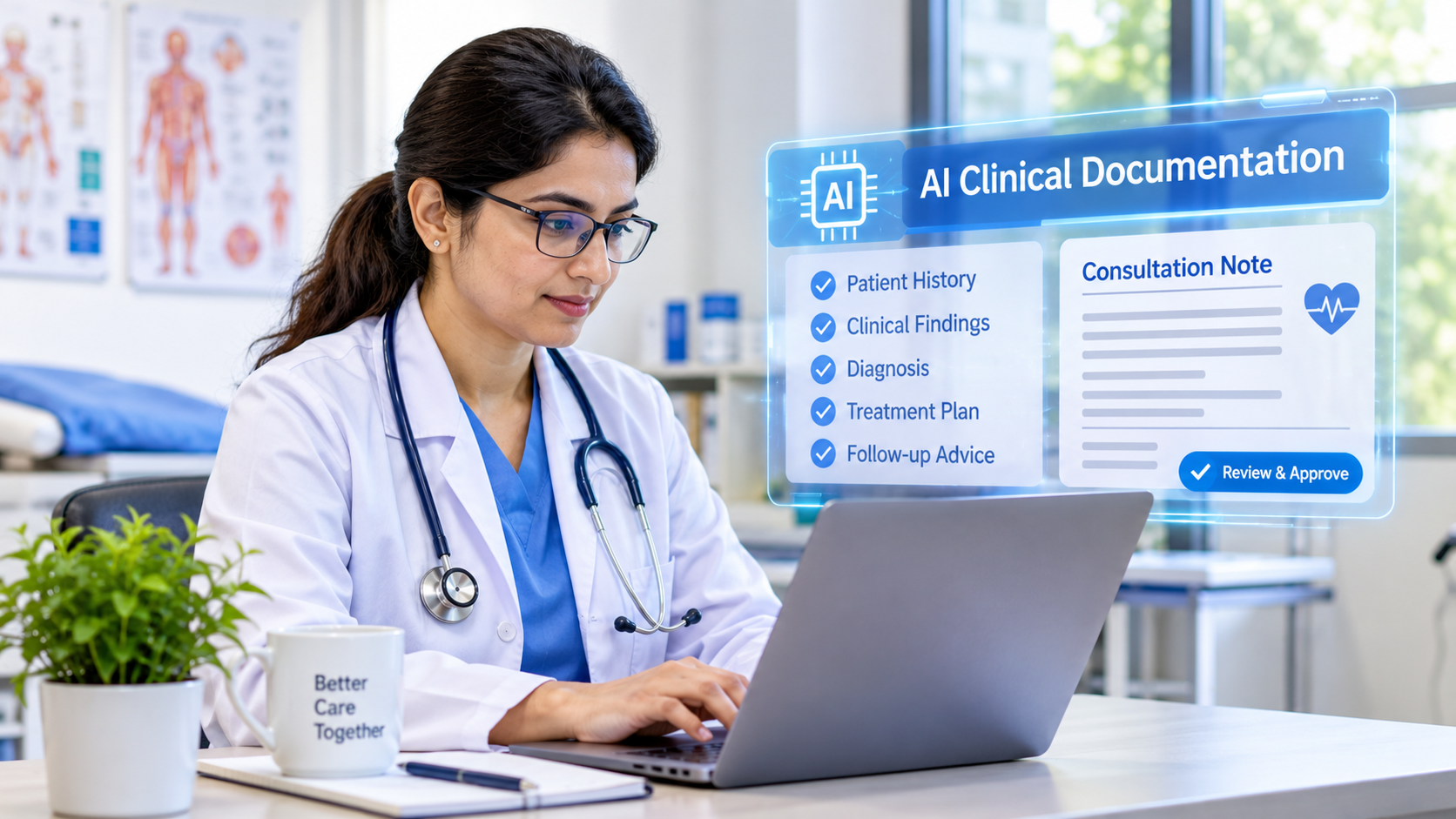
AI in Clinical Documentation: How Doctors Can Save Time While Maintaining Accuracy
Clinical documentation is an essential part of healthcare, but preparing patient records, consultation notes, discharge summaries, and referral letters can take significant time.Artificial Intelligence (AI) is helping healthcare professionals simplify these tasks. AI-powered tools can convert consultation conversations into structured notes, summarize patient information, and assist with medical record management.When used responsibly, these tools can reduce administrative work and allow doctors to focus more on patient care.What Is AI-Powered Clinical Documentation?AI-powered clinical documentation uses technologies such as speech recognition, Natural Language Processing (NLP), and generative AI to create and organize medical records.These tools can help doctors:Prepare patient consultation notes.Summarize medical histories.Draft discharge summaries.Prepare referral letters.Organize examination findings and treatment plans.Create follow-up documentation.AI supports the documentation process but does not replace a doctor's clinical judgment.How Does AI Clinical Documentation Work?AI documentation tools generally follow three steps:1. Capturing Information: The software processes approved consultation conversations or information entered by healthcare professionals.2. Organizing Medical Details: AI identifies relevant information, such as symptoms, medical history, medications, and examination findings.3. Creating Clinical Notes: The system prepares a structured draft that the doctor can review, correct, and approve.The final medical record must always be checked by an authorized healthcare professional.Key Benefits of AI in Clinical Documentation1. Saves TimeAI can reduce repetitive typing and assist with preparing clinical notes, helping doctors manage documentation more efficiently.2. Improves Documentation OrganizationAI can arrange medical information into structured sections, making patient records easier to read and review.3. Supports Patient InteractionBy reducing manual documentation during consultations, AI may help doctors give more attention to conversations with patients.4. Simplifies Record ManagementAI can assist with summarizing lengthy patient histories and preparing drafts of medical documents.Research published in the Journal of the American Medical Informatics Association and JAMA Network Open has examined the use of AI-powered documentation tools in clinical settings.Read research on ambient AI scribesRead the JAMA Network Open studyCommon Uses in HealthcareAI-powered documentation can support different clinical workflows:OPD Notes: Prepare structured notes from patient consultations.Discharge Summaries: Organize hospital treatment details and follow-up instructions.Referral Letters: Create drafts containing relevant patient information.EHR Management: Help organize information in electronic health records.Follow-Up Records: Summarize patient progress and future care plans.Practical ExamplesExample 1: General Physician ClinicA doctor uses an AI documentation tool to prepare a consultation note based on an approved patient conversation. The doctor reviews the draft and corrects any missing details before saving it.Example 2: Hospital DischargeAI helps organize patient information into a discharge summary, including treatment details, medications, and follow-up instructions. The treating doctor verifies the final document.Example 3: Specialist ConsultationA specialist uses AI to summarize relevant information from a patient's medical history, making it easier to review previous consultations and records.These examples illustrate potential uses rather than guaranteed results.Challenges and LimitationsDespite its benefits, AI documentation has important limitations.Accuracy: AI may misunderstand medical terminology or generate incorrect information.Patient Privacy: Healthcare organizations must protect sensitive patient information.System Integration: Some tools may require integration with existing electronic health record systems.Professional Oversight: Doctors must review and approve AI-generated records.Implementation Costs: Software, training, and maintenance may involve additional expenses.Healthcare organizations should choose secure, approved solutions and follow applicable privacy and data protection requirements.Best Practices for Using AITo use AI responsibly in clinical documentation, healthcare professionals should:Review every AI-generated note before approval.Follow appropriate patient consent and privacy requirements.Use secure and trusted software platforms.Train staff to understand the technology and its limitations.Regularly monitor documentation quality and accuracy.The Future of AI in Clinical DocumentationAI technology is expected to become increasingly integrated into electronic health records and everyday clinical workflows.Future systems may offer better medical language recognition, multilingual documentation, and more efficient patient record summaries.However, successful adoption will depend on accuracy, data security, transparency, and human oversight.The World Health Organization also emphasizes responsible governance and ethical use of AI in healthcare.Read WHO guidance on AI in healthcareConclusionAI in clinical documentation offers doctors and healthcare organizations an opportunity to simplify administrative tasks, organize medical records, and improve workflow efficiency.From consultation notes to discharge summaries, AI can assist with preparing structured medical documents. However, patient privacy, clinical accuracy, and professional review must always remain priorities.AI should be treated as a supportive tool, not a replacement for medical expertise. With responsible implementation, it can help healthcare professionals spend less time on repetitive documentation and more time focusing on quality patient care.SEO DetailsSEO Title: AI in Clinical Documentation: Benefits and Uses for DoctorsMeta Description: Discover how AI in clinical documentation helps doctors save time, organize medical records, improve workflow efficiency, and maintain accuracy.URL Slug: ai-in-clinical-documentationPrimary Keyword: AI in Clinical DocumentationSecondary Keywords: AI Medical Documentation, AI Tools for Doctors, Automated Clinical Documentation, AI in Healthcare, Medical Scribing Technology, AI Clinical Notes, Electronic Health RecordsCategory: Healthcare TechnologyReferencesJournal of the American Medical Informatics Association – Ambient AI ScribesJAMA Network Open – AI Documentation ResearchWorld Health Organization – Ethics and Governance of AI for Health

52 Minutes Ago

Financial Planning for Doctors: Clinic Management and Growth
Financial Planning for Doctors: How to Manage Clinic Finances and Build a Sustainable Medical PracticeRunning a successful medical practice requires more than clinical expertise and the ability to provide quality patient care. Doctors who establish their own clinics must also understand financial planning, expense management, revenue generation, and daily business operations.Many healthcare professionals focus primarily on treating patients but underestimate the financial and administrative responsibilities involved in managing a medical practice. Expenses such as rent, staff salaries, medical equipment, electricity, maintenance, and medical supplies can quickly add up. Without proper financial planning, even a clinic with a steady flow of patients may experience financial difficulties.Financial planning plays an important role in ensuring that a medical practice remains financially stable while continuing to deliver quality healthcare services.From preparing a realistic budget to managing cash flow and investing in technology, doctors need to develop essential financial management skills to build a sustainable practice.In this article, we explore the key aspects of financial planning and clinic management, practical strategies doctors can implement, and real-world healthcare case studies that demonstrate how better financial and operational management can improve clinic performance.Why Financial Planning Is Important for Medical PracticesFinancial planning helps doctors understand how much money their clinic earns, how much it spends, and where improvements can be made.A clinic may receive a considerable number of patients every day, but high patient volume does not automatically translate into financial stability. Poor expense management, delayed payments, inefficient billing, and unnecessary purchases can reduce profitability.Effective financial planning helps doctors:Understand their clinic's financial position.Prepare monthly and annual operating budgets.Control unnecessary expenses.Maintain sufficient cash flow.Plan investments in medical equipment and technology.Manage staff salaries and operational costs.Prepare for unexpected financial challenges.Identify opportunities for sustainable growth.Financial planning should not be treated as a one-time activity. Doctors should regularly review their clinic's financial performance and adjust their plans according to changing operational requirements.1. Understanding the Financial Needs of a Medical PracticeBefore establishing a clinic or expanding an existing one, doctors should understand the financial requirements involved in running the practice.These expenses can generally be divided into three categories.Initial Setup CostsThese are expenses incurred when establishing a new clinic.Common examples include:Renting or purchasing clinic space.Interior design and renovation.Medical equipment and diagnostic instruments.Furniture and waiting-room arrangements.Computers and practice management software.Licences, registrations, and professional services.The initial investment depends on the clinic's specialty, location, size, and services offered.Fixed Operating CostsFixed costs are recurring expenses that generally remain stable over a particular period.Examples include:Monthly rent.Staff salaries.Internet and software subscriptions.Insurance premiums.Equipment financing payments.Certain maintenance contracts.Understanding fixed expenses helps doctors calculate the minimum monthly revenue required to keep the clinic operational.Variable Operating CostsVariable expenses change depending on patient volume and clinical activities.These may include:Medical consumables.Diagnostic supplies.Laboratory materials.Utility consumption.Cleaning supplies.Equipment servicing and repairs.Separating expenses into these categories makes budgeting easier and helps doctors identify areas where cost management may be improved.2. Budgeting and Managing Clinic ExpensesA well-prepared budget provides a financial roadmap for a medical practice.Doctors should prepare a monthly operating budget that includes expected revenue, fixed expenses, variable expenses, and planned investments.For example, a small outpatient clinic may prepare a monthly budget covering rent, salaries, electricity, medical supplies, software, equipment maintenance, and other administrative costs.The actual figures will depend on the clinic's location, specialty, and size.Practical strategies for better expense managementTrack Every Expense: Maintain accurate records of purchases, payments, salaries, and other operational expenses.Review Supplier Agreements: Compare suppliers periodically and evaluate whether existing agreements provide appropriate value and quality.Monitor Inventory: Maintain an organised inventory system to avoid excessive purchasing, expired products, and unnecessary stock accumulation.Avoid Unnecessary Investments: Purchase equipment according to actual clinical requirements rather than investing in expensive technology that may remain underutilised.Review Monthly Performance: Compare actual expenses with the planned budget to identify unexpected increases.Expense management should never compromise patient safety, clinical quality, or the standards required for medical equipment and supplies.3. Setting Consultation Fees and Pricing Medical ServicesConsultation fees are an important component of a clinic's financial planning.Doctors should establish their pricing structure by considering the costs involved in providing services, their specialty, local market conditions, patient requirements, and applicable professional and regulatory considerations.A pricing decision should account for:Clinic rent and operational expenses.Staff and administrative costs.Medical equipment and maintenance.Time spent with each patient.The complexity of services provided.Local healthcare affordability.For example, a specialist clinic providing longer consultations or additional diagnostic services may have a different cost structure from a general outpatient practice.Doctors should regularly review their pricing structure to ensure that it remains financially sustainable and transparent to patients.It is equally important to communicate consultation charges and service costs clearly before providing services.4. Managing Cash Flow and Clinic RevenueCash flow is one of the most important aspects of clinic management.It refers to the movement of money into and out of a medical practice.A clinic may generate revenue through consultations, diagnostic services, procedures, health packages, and other legitimate medical services. However, delayed payments and poor financial tracking can create cash flow problems.For example, a clinic that provides services through insurance or third-party administrators may have to wait for reimbursement after submitting claims.During this period, the clinic still needs to pay salaries, rent, suppliers, and other operational expenses.Ways to improve cash flowMaintain accurate billing records.Collect payments promptly according to the clinic's payment policy.Submit insurance claims with complete and accurate documentation.Monitor pending payments regularly.Follow up on rejected or delayed claims.Maintain a monthly cash flow statement.Keep an appropriate financial reserve for unexpected expenses.Doctors should also distinguish between revenue generated, payments received, outstanding receivables, and actual operating profit.These figures provide different information about the financial health of a practice.5. Investing in Medical Equipment and TechnologyMedical equipment and digital technology are essential investments for modern healthcare practices.However, every investment should be evaluated according to its clinical value and financial impact.Before purchasing new equipment, doctors should consider:Initial purchase cost.Installation and maintenance expenses.Staff training requirements.Expected patient demand.Equipment lifespan.Potential revenue contribution.Clinical benefits and patient safety.Technology can also improve the administrative side of clinic management.For example, practice management systems can help organise appointments, maintain billing records, manage patient information, and monitor daily operations.Electronic health records can reduce dependence on paper-based documentation and make relevant patient information easier to access.The objective should not simply be to purchase more technology. It should be to identify solutions that improve efficiency, support better patient care, and provide long-term value.6. Managing Staff Salaries and Operational CostsStaff members play an important role in the daily functioning of a medical practice.Receptionists, nurses, administrative employees, technicians, and other healthcare professionals contribute to patient experience and clinic efficiency.However, staff salaries also represent a significant recurring expense.Doctors should plan staffing requirements according to patient volume, clinical services, operating hours, and administrative responsibilities.Important staff management considerationsDefine Roles and Responsibilities: Every employee should understand their responsibilities and reporting structure.Plan Staff Schedules: Organise shifts according to patient appointments and operational requirements.Invest in Training: Staff training can improve communication, documentation, billing accuracy, and patient coordination.Monitor Workload: Ensure that responsibilities are distributed appropriately to avoid unnecessary administrative pressure.Review Staffing Costs: Regularly evaluate whether staffing arrangements meet the clinic's operational needs without compromising service quality.Effective staff management improves both operational efficiency and the overall patient experience.7. Using Financial Reports to Make Better DecisionsDoctors should not depend only on their bank balance to evaluate the performance of their clinic.Financial reports provide a clearer understanding of how the practice is performing.Some important reports include:Profit and Loss StatementThis report summarises the clinic's income and expenses over a specific period. It helps doctors understand whether the practice is generating an operating profit or experiencing a loss.Cash Flow StatementThis report tracks the money entering and leaving the business. It helps identify potential liquidity problems.Balance SheetA balance sheet provides information about the clinic's assets, liabilities, and owner's equity at a particular point in time.Accounts Receivable ReportThis report tracks outstanding payments from patients, insurance providers, or other parties.Monthly Expense ReportThis report helps doctors identify where money is being spent and compare actual costs with the planned budget.Reviewing these reports regularly allows doctors to identify financial problems early and make better-informed decisions.8. Real-World Case Studies: How Better Financial Management Improves Healthcare OperationsUnderstanding financial management becomes easier when we examine real healthcare organisations that have improved their financial and operational performance through better systems and processes.The following examples demonstrate how effective revenue management, billing improvements, and operational planning can contribute to better financial outcomes.Case Study 1: Brownsville Community Health Centre – Improving Revenue CollectionOne useful example comes from the Brownsville Center, documented by The Commonwealth Fund.The organisation faced challenges in generating sufficient revenue to sustain its healthcare services. It participated in a Revenue Maximization (RevMax) Learning Collaborative to improve its collection processes and financial management.The programme focused on improving billing practices, reducing delays between service delivery and billing, addressing rejected claims, and strengthening internal financial controls.Reported results included:Average weekly cash receipts increased by 46%.Reimbursement per visit increased by 55%, from $78 to $121.Total revenue increased by 51%, representing an additional $345,000.Patient visit volume increased by 5%.This case demonstrates the importance of managing the complete revenue cycle rather than focusing only on attracting more patients.For independent medical practices, the key lesson is to maintain accurate billing records, collect payments efficiently, monitor rejected claims, and establish clear financial responsibilities.Source: The Commonwealth Fund – Revenue Maximization Program at the Brownsville CenterCase Study 2: Clinics of North Texas – Improving Revenue Cycle ManagementClinics of North Texas provides another example of how better revenue cycle management can improve financial performance.The practice worked with an external revenue cycle management team to improve billing operations, address denied claims, monitor payments, and identify documentation issues.The organisation also received support in tracking payer policy changes and improving its revenue collection processes.Reported results included:Annual revenue increased by 20% after the transition.Average days in accounts receivable decreased from 36 to 23.The proportion of accounts receivable under 90 days increased from 16% to 56%.Gross collection rate improved by 1.64 percentage points.The case highlights how accurate documentation, regular claim follow-up, and organised billing systems can reduce administrative inefficiencies.For doctors managing independent clinics, an important takeaway is that every consultation and service should be documented and billed accurately.Source: Medical Group Management Association (MGMA) – Using an RCM Solution to Maximize Revenue and Reduce Administrative BurdenCase Study 3: A Medical Group's Operational Transformation – Reducing Costs and Improving EfficiencyA case study published by Baker Tilly describes how a medical group improved its operations by introducing lean management principles.The organisation focused on improving appointment scheduling, organising clinical workspaces, managing inventory, and strengthening revenue cycle processes.These changes helped reduce operational inefficiencies and improve the use of available resources.Reported results included:More than 10,000 additional annual appointment opportunities.Approximately $155,000 saved through reduced appointment no-shows.More than 900 square feet of workspace reclaimed.Over 4,400 annual staff hours freed through revenue cycle improvements.An estimated $1.7 million in financial improvement since 2017.Although this example involves a larger medical group rather than a small independent clinic, its principles can be applied to practices of different sizes.Doctors can begin with simple improvements such as better appointment scheduling, inventory tracking, clearly assigned staff responsibilities, and organised billing workflows.Source: Baker Tilly – Case Study: Health System Becomes a Lean EnterpriseWhat Can Independent Doctors Learn from These Case Studies?These examples highlight several practical lessons:Increasing patient numbers is not the only way to improve financial performance. Better billing and collection processes also matter.Accurate documentation helps reduce billing errors and payment delays.Appointment scheduling and reminder systems can reduce avoidable operational losses.Inventory management can prevent unnecessary expenditure.Regular financial reporting helps identify problems before they become serious.Efficient administrative processes allow doctors and staff to spend more time on patient care.The results reported in these case studies relate to specific organisations and should not be treated as guaranteed outcomes for every clinic.9. Common Financial Mistakes Doctors Should AvoidEven experienced healthcare professionals can encounter financial difficulties when managing their own practices.Some common mistakes include:Mixing Personal and Business FinancesDoctors should maintain separate records and accounts for personal and clinic-related transactions. This makes financial tracking and accounting more organised.Not Preparing an Operating BudgetWithout a budget, it becomes difficult to identify unnecessary expenses or plan future investments.Ignoring Outstanding PaymentsUnpaid invoices and delayed reimbursements can create cash flow problems. Regular monitoring of outstanding payments is essential.Overinvesting in EquipmentPurchasing expensive equipment without evaluating patient demand, maintenance requirements, and expected utilisation can create unnecessary financial pressure.Ignoring Financial ReportsA clinic may appear busy while experiencing poor financial performance. Regularly reviewing financial statements helps doctors understand the actual position of their practice.Not Planning for Unexpected ExpensesEquipment breakdowns, emergency repairs, and temporary reductions in patient volume can affect clinic finances. Maintaining an appropriate financial reserve can help manage unexpected situations.10. Strategies for Long-Term Clinic GrowthFinancial stability is not only about reducing expenses. It also involves creating a sustainable operational model that supports future growth.Doctors can consider the following strategies:1. Develop a Long-Term Financial PlanPrepare financial projections for the next 12 months and review them periodically. Include expected revenue, operational expenses, planned investments, and potential risks.2. Improve Patient ExperienceClear communication, organised appointments, professional staff, and efficient clinic operations can support patient satisfaction and long-term trust.3. Use Digital Practice Management ToolsDigital systems can improve appointment scheduling, documentation, billing, and reporting.4. Monitor Clinic Performance IndicatorsTrack important indicators such as monthly revenue, operating expenses, patient no-show rates, outstanding payments, and appointment utilisation.5. Evaluate Expansion CarefullyBefore opening another branch or introducing a new service, evaluate the financial requirements, patient demand, staffing needs, and operational risks.6. Work With Financial ProfessionalsChartered accountants and qualified financial advisors can help doctors with accounting, taxation, compliance, financial forecasting, and investment planning.A combination of clinical expertise, financial awareness, and effective management can help build a sustainable medical practice.ConclusionFinancial planning is an essential part of managing a successful medical practice. Doctors need to understand not only how to provide quality healthcare but also how to manage the financial and operational responsibilities involved in running a clinic.From preparing budgets and controlling expenses to managing cash flow, investing in technology, and analysing financial reports, every aspect of financial management contributes to the long-term stability of a practice.The real-world case studies discussed in this article demonstrate that improvements in billing, revenue collection, scheduling, and operational efficiency can create meaningful financial benefits for healthcare organisations.However, every clinic has different requirements depending on its specialty, location, size, and patient population. Financial strategies should therefore be adapted to the specific needs of each practice.As healthcare continues to evolve, doctors who develop both clinical and management skills will be better prepared to establish sustainable practices, improve operational efficiency, and deliver quality patient care.Ultimately, successful clinic management is about maintaining the right balance between financial sustainability, operational efficiency, and patient-centred healthcare.

4 Days Ago

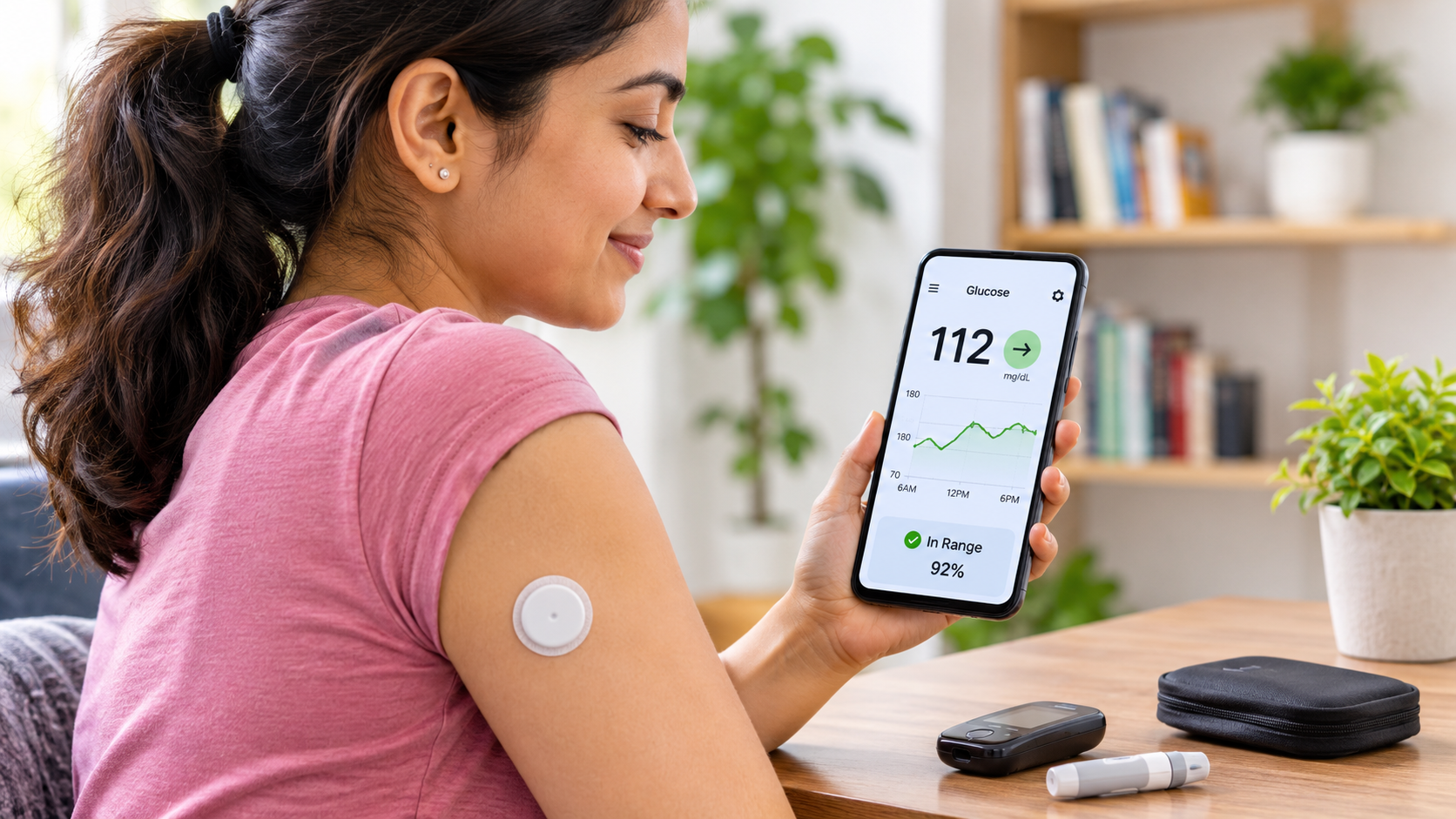
Beyond Blood Sugar: How Continuous Glucose Monitoring Is Transforming Diabetes Management
Diabetes management has evolved significantly over the years. Traditionally, people living with diabetes have relied on periodic finger-prick blood glucose tests to monitor their sugar levels. Although this method provides important information, it offers only a snapshot of blood glucose at a particular moment.But what happens to blood sugar levels between these tests? How do they change after meals, during physical activity, or while sleeping?This is where Continuous Glucose Monitoring (CGM) is making a difference.Continuous Glucose Monitoring is an advanced technology that allows individuals and healthcare professionals to track glucose levels throughout the day and night. By providing regular glucose readings, identifying patterns, and generating alerts, CGM offers a more comprehensive understanding of glucose fluctuations.As healthcare technology continues to advance, CGM is becoming an important tool in modern diabetes management.What Is Continuous Glucose Monitoring (CGM)?Continuous Glucose Monitoring is a method of tracking glucose levels using a small wearable medical device called a Continuous Glucose Monitor.Unlike traditional blood glucose monitoring, which requires a finger-prick blood sample, a CGM device uses a tiny sensor placed under the skin, commonly on the arm or abdomen, to measure glucose levels in the interstitial fluid (the fluid surrounding the body's cells).The device automatically estimates glucose levels at regular intervals, usually every few minutes, and sends the information to a connected smartphone, receiver, or other compatible device.This allows users to observe how glucose levels change throughout the day rather than relying only on occasional measurements.CGM technology is particularly useful because it provides information about glucose trends, including whether glucose levels are rising, falling, or remaining relatively stable.How Does Continuous Glucose Monitoring Work?A Continuous Glucose Monitoring system generally consists of three main components:1. SensorThe sensor is a small component placed just beneath the skin using an applicator. It measures glucose levels in the interstitial fluid and collects readings continuously.Depending on the device, the sensor may need replacement after a specified period.2. TransmitterThe transmitter collects information from the sensor and sends the glucose readings wirelessly to a compatible receiver or smartphone.Some modern CGM systems integrate the transmitter and sensor into a single wearable device.3. Display Device or Mobile ApplicationThe collected information is displayed through a smartphone application, dedicated receiver, or compatible insulin delivery system.Users can view current glucose estimates, historical readings, and graphical representations of glucose trends. Many systems also provide alerts when glucose levels move above or below predefined limits.It is important to understand that CGM measures glucose in interstitial fluid rather than directly measuring blood glucose. Therefore, readings may sometimes differ from finger-prick measurements, particularly when glucose levels are changing rapidly.What Makes CGM Different from Traditional Blood Glucose Monitoring?Traditional Self-Monitoring of Blood Glucose (SMBG) and Continuous Glucose Monitoring are both important methods of diabetes management. However, they provide different types of information.Traditional glucose monitoring provides individual readings at selected times, while CGM offers a continuous picture of glucose fluctuations.Some important differences include:Continuous tracking: CGM provides repeated glucose estimates throughout the day and night, helping identify changes that may occur between traditional tests.Glucose trend information: Instead of showing only a number, CGM systems display whether glucose levels are increasing, decreasing, or remaining stable.Alerts and notifications: Many devices can notify users when glucose levels cross specified thresholds.Reduced finger-prick testing: CGM can reduce the need for frequent finger-prick measurements, although access to a conventional blood glucose meter remains important.Historical glucose data: CGM applications generate reports that help healthcare professionals understand glucose patterns over time.These features make CGM a valuable addition to diabetes management, particularly for individuals who require closer glucose monitoring.Key Benefits of Continuous Glucose MonitoringThe introduction of CGM technology has created new opportunities for understanding and managing diabetes.Some of its major benefits include:1. Better Understanding of Glucose PatternsOne of the biggest advantages of CGM is its ability to identify glucose fluctuations throughout the day.For example, glucose levels may increase after meals, change during physical activity, or fluctuate overnight.By reviewing these patterns, healthcare professionals can better understand an individual's glucose behaviour and evaluate whether the existing management approach is effective.2. Early Identification of Glucose FluctuationsMany CGM devices provide alerts when glucose levels become too high or too low.These notifications can help users recognise potentially important changes and respond according to their healthcare professional's guidance.This feature can be particularly valuable for individuals who experience hypoglycaemia or have difficulty recognising changes in their glucose levels.3. Improved Diabetes ManagementCGM provides useful information that can support discussions about diet, physical activity, medication, and overall diabetes management.Healthcare professionals can review glucose trends and use this information, alongside other clinical findings, to make more informed management decisions.4. Monitoring During SleepGlucose levels can change even when an individual is sleeping.Traditional finger-prick testing may not capture all overnight fluctuations. CGM helps provide a clearer picture of glucose patterns during sleep, and certain devices can generate alerts for significant changes.5. Better Communication Between Patients and Healthcare ProfessionalsMany CGM systems allow glucose reports to be shared with healthcare professionals or caregivers.This information can support more informed consultations and help healthcare teams understand glucose patterns beyond what is available during a clinic visit.Understanding Time in Range (TIR): An Important CGM MeasurementOne of the most important developments associated with CGM is the introduction of Time in Range (TIR).Traditionally, HbA1c has been widely used to evaluate average blood glucose levels over approximately two to three months.Although HbA1c provides valuable information, it does not show how frequently glucose levels fluctuate or how much time an individual spends experiencing high or low glucose levels.Time in Range provides additional information.It represents the percentage of time an individual's glucose levels remain within a specified target range.For many non-pregnant adults with diabetes, the commonly used target range is:Below 70 mg/dL: Low glucose range.70–180 mg/dL: Target glucose range.Above 180 mg/dL: High glucose range.For many adults with diabetes, a commonly used goal is spending more than 70% of the day within the target range.However, these targets are not universal. They may vary depending on age, pregnancy, diabetes type, individual health conditions, and treatment goals.TIR provides healthcare professionals with another way to evaluate glucose management alongside HbA1c and other clinical measurements.Who Can Benefit from Continuous Glucose Monitoring?CGM can be useful for different groups of people living with diabetes, depending on their individual circumstances and treatment requirements.People with Type 1 DiabetesIndividuals with Type 1 diabetes often require insulin therapy and regular glucose monitoring. CGM can help them understand glucose fluctuations and identify patterns that may require attention.People with Type 2 DiabetesPeople with Type 2 diabetes, particularly those using insulin or medications associated with hypoglycaemia, may benefit from CGM.It can also provide useful information for evaluating glucose patterns and understanding the effects of different management approaches.Individuals Experiencing Frequent HypoglycaemiaPeople who experience repeated episodes of low blood glucose may benefit from CGM alerts, which can help identify potentially important glucose changes.Individuals Requiring Closer Glucose MonitoringHealthcare professionals may also consider CGM for individuals whose diabetes management requires more detailed glucose information.The decision to use CGM should be based on individual needs, treatment plans, device availability, affordability, and guidance from a qualified healthcare professional.Limitations of Continuous Glucose MonitoringAlthough CGM offers several advantages, it is important to understand that the technology also has certain limitations.1. Differences Between Blood and Interstitial GlucoseCGM measures glucose in interstitial fluid rather than directly in blood. Because glucose takes time to move between these compartments, readings may show a delay during rapid glucose changes.2. Device AccuracyLike other medical devices, CGM systems are not perfectly accurate in every situation. Certain readings may not match an individual's symptoms or expectations.When readings do not match how a person feels, or when device instructions recommend confirmation, a conventional blood glucose test may be necessary.3. Cost and AccessibilityThe cost of CGM devices and replacement sensors can be a barrier for some individuals.Availability, affordability, and access to compatible smartphones or other devices may also influence their use, particularly in resource-limited settings.4. Skin Irritation and Sensor IssuesSome users may experience skin irritation, discomfort, or difficulties keeping the sensor attached.Proper application, device maintenance, and following manufacturer instructions are important.5. Understanding and Interpreting the DataCGM generates a considerable amount of information. However, collecting glucose data alone does not automatically improve diabetes management.Users and healthcare professionals need to understand how to interpret glucose trends, recognise meaningful patterns, and make appropriate decisions.CGM should support clinical judgement rather than replace it.The Role of Healthcare Professionals in CGM-Based Diabetes ManagementTechnology is most effective when combined with appropriate medical knowledge and professional guidance.Healthcare professionals play an important role in helping individuals understand and use CGM information correctly.Doctors and diabetes care teams can:Evaluate whether CGM is appropriate for an individual.Explain glucose trends and Time in Range.Review episodes of high and low glucose.Understand patterns associated with meals, physical activity, and medication.Educate patients about device alerts and limitations.Use CGM reports alongside HbA1c and other clinical information.Healthcare professionals should also remain familiar with current diabetes technology guidelines and understand the differences between available monitoring systems.As CGM becomes increasingly integrated into diabetes care, developing the knowledge to interpret its data will become an important part of modern clinical practice.The Future of Continuous Glucose MonitoringThe future of CGM is closely connected with advancements in digital healthcare, artificial intelligence, and automated insulin delivery systems.Modern diabetes technology is moving beyond simply collecting glucose readings.Some advanced systems integrate CGM with insulin pumps to create Automated Insulin Delivery (AID) systems. These systems use glucose information to help adjust insulin delivery according to programmed settings and individual requirements.Artificial intelligence and data analytics may also create opportunities to identify glucose patterns, support personalised insights, and improve the interpretation of large amounts of monitoring data.Another important area of development is improving device accessibility, affordability, accuracy, and ease of use.As these technologies continue to evolve, CGM may become an increasingly important component of personalised diabetes management.However, technological advancement must always be supported by clinical evidence, appropriate patient education, and professional oversight.ConclusionContinuous Glucose Monitoring represents an important advancement in diabetes management. By providing continuous glucose information, identifying trends, and offering alerts, CGM helps individuals and healthcare professionals develop a more comprehensive understanding of glucose fluctuations.Its ability to provide information about Time in Range, overnight glucose patterns, and daily fluctuations makes it a valuable complement to traditional glucose monitoring and HbA1c testing.However, successful diabetes management requires more than technology. Understanding glucose data, interpreting clinical patterns, and making appropriate decisions remain essential.As healthcare continues to embrace digital innovation, knowledge of technologies like CGM will become increasingly important for doctors and healthcare professionals.The future of diabetes care will not depend only on measuring glucose levels, but also on understanding the information behind those measurements and using it to support better-informed healthcare decisions.

5 Days Ago

All blogs