The general approach to the trauma patient | Rigomo

Published - Thu, 08 Sep 2022

The general approach to the trauma patient

The general approach to the trauma patient

In the first forty years of life, trauma is the main cause of death. Each year, it causes 10 million disabilities and 60 to 80 million injuries. Survival for trauma patients depends on prompt diagnosis and treatment. Traumatic injuries such as subdural and epidural hematomas, hemopneumothorax, tension pneumothorax, pericardial tamponade, burst spleen, lacerated liver, pelvic fractures, and aortic disruption can result in death within minutes.


PRIMARY SURVEY: The primary survey consists of the “ ABCs”.

1. A—airway and cervical spine control: The patency of the airway is assessed, with the cervical spine immobilized. The presence of a cervical spine injury should be assumed until proven otherwise.

2. B—breathing and ventilation: The chest is auscultated and inspected, and the quality, depth, and rate of respirations are noted.

3. C—circulation and hemorrhage control: Capillary refill, pulses, and the color of the skin should be assessed. Active hemorrhages should be identified and treated with direct pressure or surgical repair. Two large-bore (14- to 16-gauge) intravenous catheters are inserted and intravenous fluids (lactated Ringer or normal saline) are started. Set up a pulse oximeter and a heart monitor for the patient.

4. D—disability: A rapid neurologic assessment is performed, assessing the pupils for size, equality, and reactivity, and a Glasgow coma scale.

5. E—exposure: The patient should be completely undressed then warm blankets applied to prevent hypothermia.


PATIENT HISTORY: Whenever possible, an AMPLE history (allergies, medications, past medical history, last meal, and events surrounding the injury and its mechanism) should be obtained from the patient and pre-hospital personnel. X-rays (chest and pelvis) and lab tests are now ordered (complete blood count, basic metabolic panel, pregnancy test, type and screen, and prothrombin time/international normalized ratio).


SECONDARY SURVEY: This is a head-to-toe complete physical exam, examining each region systematically. During the primary or secondary survey, focused assessment sonography in trauma (FAST) exam can be done in 2 minutes to risk stratify the trauma patient.

Created by
Rigomo Team

Rigomo is a leading online education platform that offers a wide range of courses to help individuals enhance their skills and achieve their career goals. With our user-friendly interface and expert instructors, we strive to provide high-quality education to everyone, anytime and anywhere. Join us today and take the first step towards a brighter future.

Rigomo is an e-learning platform that was founded in 2019 by a team of dedicated professionals with a passion for revolutionizing the way people learn. The platform offers a range of online courses that cover various industries, including business, technology, healthcare, and more.

Rigomo's courses are designed to be interactive and engaging, with a focus on practical skills that learners can apply in their careers. The platform uses a combination of video lectures, quizzes, and hands-on projects to help learners master the subject matter.

Rigomo is committed to providing affordable and accessible education to people around the world. The platform offers a range of pricing options, including monthly and annual subscriptions, as well as pay-as-you-go options for individual courses.

Since its launch, Rigomo has received numerous accolades for its innovative approach to e-learning. The platform has helped thousands of learners across the globe acquire new skills and advance their careers.

As Rigomo continues to grow, the team remains committed to providing high-quality education that is accessible to all. The platform is constantly updating its courses and features to ensure that learners have access to the latest tools and technologies.

View profile

Comments (0)

Search
Popular categories
Latest blogs
Beyond Blood Sugar: How Continuous Glucose Monitoring Is Transforming Diabetes Management
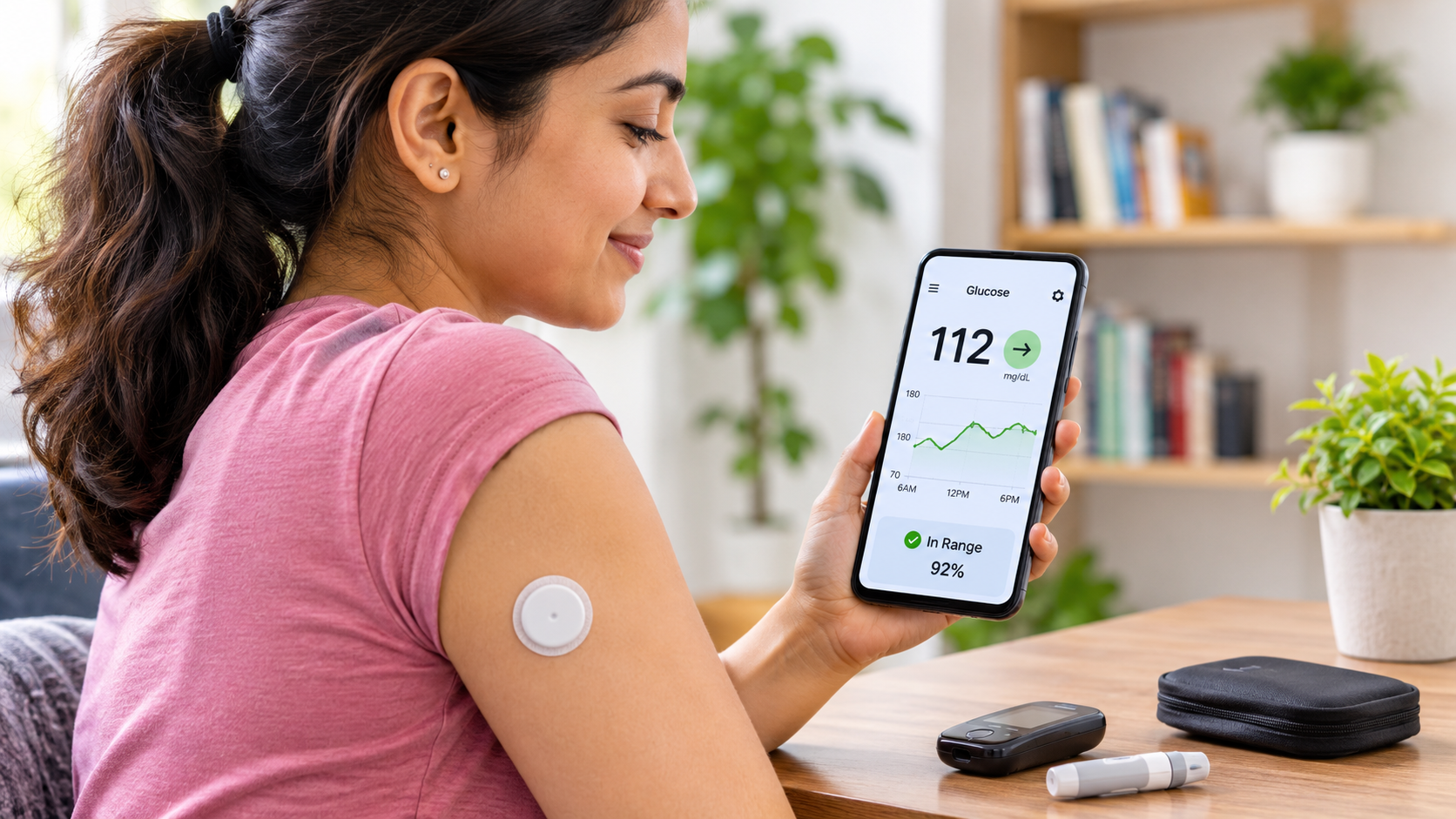
Diabetes management has evolved significantly over the years. Traditionally, people living with diabetes have relied on periodic finger-prick blood glucose tests to monitor their sugar levels. Although this method provides important information, it offers only a snapshot of blood glucose at a particular moment.But what happens to blood sugar levels between these tests? How do they change after meals, during physical activity, or while sleeping?This is where Continuous Glucose Monitoring (CGM) is making a difference.Continuous Glucose Monitoring is an advanced technology that allows individuals and healthcare professionals to track glucose levels throughout the day and night. By providing regular glucose readings, identifying patterns, and generating alerts, CGM offers a more comprehensive understanding of glucose fluctuations.As healthcare technology continues to advance, CGM is becoming an important tool in modern diabetes management.What Is Continuous Glucose Monitoring (CGM)?Continuous Glucose Monitoring is a method of tracking glucose levels using a small wearable medical device called a Continuous Glucose Monitor.Unlike traditional blood glucose monitoring, which requires a finger-prick blood sample, a CGM device uses a tiny sensor placed under the skin, commonly on the arm or abdomen, to measure glucose levels in the interstitial fluid (the fluid surrounding the body's cells).The device automatically estimates glucose levels at regular intervals, usually every few minutes, and sends the information to a connected smartphone, receiver, or other compatible device.This allows users to observe how glucose levels change throughout the day rather than relying only on occasional measurements.CGM technology is particularly useful because it provides information about glucose trends, including whether glucose levels are rising, falling, or remaining relatively stable.How Does Continuous Glucose Monitoring Work?A Continuous Glucose Monitoring system generally consists of three main components:1. SensorThe sensor is a small component placed just beneath the skin using an applicator. It measures glucose levels in the interstitial fluid and collects readings continuously.Depending on the device, the sensor may need replacement after a specified period.2. TransmitterThe transmitter collects information from the sensor and sends the glucose readings wirelessly to a compatible receiver or smartphone.Some modern CGM systems integrate the transmitter and sensor into a single wearable device.3. Display Device or Mobile ApplicationThe collected information is displayed through a smartphone application, dedicated receiver, or compatible insulin delivery system.Users can view current glucose estimates, historical readings, and graphical representations of glucose trends. Many systems also provide alerts when glucose levels move above or below predefined limits.It is important to understand that CGM measures glucose in interstitial fluid rather than directly measuring blood glucose. Therefore, readings may sometimes differ from finger-prick measurements, particularly when glucose levels are changing rapidly.What Makes CGM Different from Traditional Blood Glucose Monitoring?Traditional Self-Monitoring of Blood Glucose (SMBG) and Continuous Glucose Monitoring are both important methods of diabetes management. However, they provide different types of information.Traditional glucose monitoring provides individual readings at selected times, while CGM offers a continuous picture of glucose fluctuations.Some important differences include:Continuous tracking: CGM provides repeated glucose estimates throughout the day and night, helping identify changes that may occur between traditional tests.Glucose trend information: Instead of showing only a number, CGM systems display whether glucose levels are increasing, decreasing, or remaining stable.Alerts and notifications: Many devices can notify users when glucose levels cross specified thresholds.Reduced finger-prick testing: CGM can reduce the need for frequent finger-prick measurements, although access to a conventional blood glucose meter remains important.Historical glucose data: CGM applications generate reports that help healthcare professionals understand glucose patterns over time.These features make CGM a valuable addition to diabetes management, particularly for individuals who require closer glucose monitoring.Key Benefits of Continuous Glucose MonitoringThe introduction of CGM technology has created new opportunities for understanding and managing diabetes.Some of its major benefits include:1. Better Understanding of Glucose PatternsOne of the biggest advantages of CGM is its ability to identify glucose fluctuations throughout the day.For example, glucose levels may increase after meals, change during physical activity, or fluctuate overnight.By reviewing these patterns, healthcare professionals can better understand an individual's glucose behaviour and evaluate whether the existing management approach is effective.2. Early Identification of Glucose FluctuationsMany CGM devices provide alerts when glucose levels become too high or too low.These notifications can help users recognise potentially important changes and respond according to their healthcare professional's guidance.This feature can be particularly valuable for individuals who experience hypoglycaemia or have difficulty recognising changes in their glucose levels.3. Improved Diabetes ManagementCGM provides useful information that can support discussions about diet, physical activity, medication, and overall diabetes management.Healthcare professionals can review glucose trends and use this information, alongside other clinical findings, to make more informed management decisions.4. Monitoring During SleepGlucose levels can change even when an individual is sleeping.Traditional finger-prick testing may not capture all overnight fluctuations. CGM helps provide a clearer picture of glucose patterns during sleep, and certain devices can generate alerts for significant changes.5. Better Communication Between Patients and Healthcare ProfessionalsMany CGM systems allow glucose reports to be shared with healthcare professionals or caregivers.This information can support more informed consultations and help healthcare teams understand glucose patterns beyond what is available during a clinic visit.Understanding Time in Range (TIR): An Important CGM MeasurementOne of the most important developments associated with CGM is the introduction of Time in Range (TIR).Traditionally, HbA1c has been widely used to evaluate average blood glucose levels over approximately two to three months.Although HbA1c provides valuable information, it does not show how frequently glucose levels fluctuate or how much time an individual spends experiencing high or low glucose levels.Time in Range provides additional information.It represents the percentage of time an individual's glucose levels remain within a specified target range.For many non-pregnant adults with diabetes, the commonly used target range is:Below 70 mg/dL: Low glucose range.70–180 mg/dL: Target glucose range.Above 180 mg/dL: High glucose range.For many adults with diabetes, a commonly used goal is spending more than 70% of the day within the target range.However, these targets are not universal. They may vary depending on age, pregnancy, diabetes type, individual health conditions, and treatment goals.TIR provides healthcare professionals with another way to evaluate glucose management alongside HbA1c and other clinical measurements.Who Can Benefit from Continuous Glucose Monitoring?CGM can be useful for different groups of people living with diabetes, depending on their individual circumstances and treatment requirements.People with Type 1 DiabetesIndividuals with Type 1 diabetes often require insulin therapy and regular glucose monitoring. CGM can help them understand glucose fluctuations and identify patterns that may require attention.People with Type 2 DiabetesPeople with Type 2 diabetes, particularly those using insulin or medications associated with hypoglycaemia, may benefit from CGM.It can also provide useful information for evaluating glucose patterns and understanding the effects of different management approaches.Individuals Experiencing Frequent HypoglycaemiaPeople who experience repeated episodes of low blood glucose may benefit from CGM alerts, which can help identify potentially important glucose changes.Individuals Requiring Closer Glucose MonitoringHealthcare professionals may also consider CGM for individuals whose diabetes management requires more detailed glucose information.The decision to use CGM should be based on individual needs, treatment plans, device availability, affordability, and guidance from a qualified healthcare professional.Limitations of Continuous Glucose MonitoringAlthough CGM offers several advantages, it is important to understand that the technology also has certain limitations.1. Differences Between Blood and Interstitial GlucoseCGM measures glucose in interstitial fluid rather than directly in blood. Because glucose takes time to move between these compartments, readings may show a delay during rapid glucose changes.2. Device AccuracyLike other medical devices, CGM systems are not perfectly accurate in every situation. Certain readings may not match an individual's symptoms or expectations.When readings do not match how a person feels, or when device instructions recommend confirmation, a conventional blood glucose test may be necessary.3. Cost and AccessibilityThe cost of CGM devices and replacement sensors can be a barrier for some individuals.Availability, affordability, and access to compatible smartphones or other devices may also influence their use, particularly in resource-limited settings.4. Skin Irritation and Sensor IssuesSome users may experience skin irritation, discomfort, or difficulties keeping the sensor attached.Proper application, device maintenance, and following manufacturer instructions are important.5. Understanding and Interpreting the DataCGM generates a considerable amount of information. However, collecting glucose data alone does not automatically improve diabetes management.Users and healthcare professionals need to understand how to interpret glucose trends, recognise meaningful patterns, and make appropriate decisions.CGM should support clinical judgement rather than replace it.The Role of Healthcare Professionals in CGM-Based Diabetes ManagementTechnology is most effective when combined with appropriate medical knowledge and professional guidance.Healthcare professionals play an important role in helping individuals understand and use CGM information correctly.Doctors and diabetes care teams can:Evaluate whether CGM is appropriate for an individual.Explain glucose trends and Time in Range.Review episodes of high and low glucose.Understand patterns associated with meals, physical activity, and medication.Educate patients about device alerts and limitations.Use CGM reports alongside HbA1c and other clinical information.Healthcare professionals should also remain familiar with current diabetes technology guidelines and understand the differences between available monitoring systems.As CGM becomes increasingly integrated into diabetes care, developing the knowledge to interpret its data will become an important part of modern clinical practice.The Future of Continuous Glucose MonitoringThe future of CGM is closely connected with advancements in digital healthcare, artificial intelligence, and automated insulin delivery systems.Modern diabetes technology is moving beyond simply collecting glucose readings.Some advanced systems integrate CGM with insulin pumps to create Automated Insulin Delivery (AID) systems. These systems use glucose information to help adjust insulin delivery according to programmed settings and individual requirements.Artificial intelligence and data analytics may also create opportunities to identify glucose patterns, support personalised insights, and improve the interpretation of large amounts of monitoring data.Another important area of development is improving device accessibility, affordability, accuracy, and ease of use.As these technologies continue to evolve, CGM may become an increasingly important component of personalised diabetes management.However, technological advancement must always be supported by clinical evidence, appropriate patient education, and professional oversight.ConclusionContinuous Glucose Monitoring represents an important advancement in diabetes management. By providing continuous glucose information, identifying trends, and offering alerts, CGM helps individuals and healthcare professionals develop a more comprehensive understanding of glucose fluctuations.Its ability to provide information about Time in Range, overnight glucose patterns, and daily fluctuations makes it a valuable complement to traditional glucose monitoring and HbA1c testing.However, successful diabetes management requires more than technology. Understanding glucose data, interpreting clinical patterns, and making appropriate decisions remain essential.As healthcare continues to embrace digital innovation, knowledge of technologies like CGM will become increasingly important for doctors and healthcare professionals.The future of diabetes care will not depend only on measuring glucose levels, but also on understanding the information behind those measurements and using it to support better-informed healthcare decisions.

9 Hours Ago

Online Clinical Courses for Doctors to Build Practical Skills
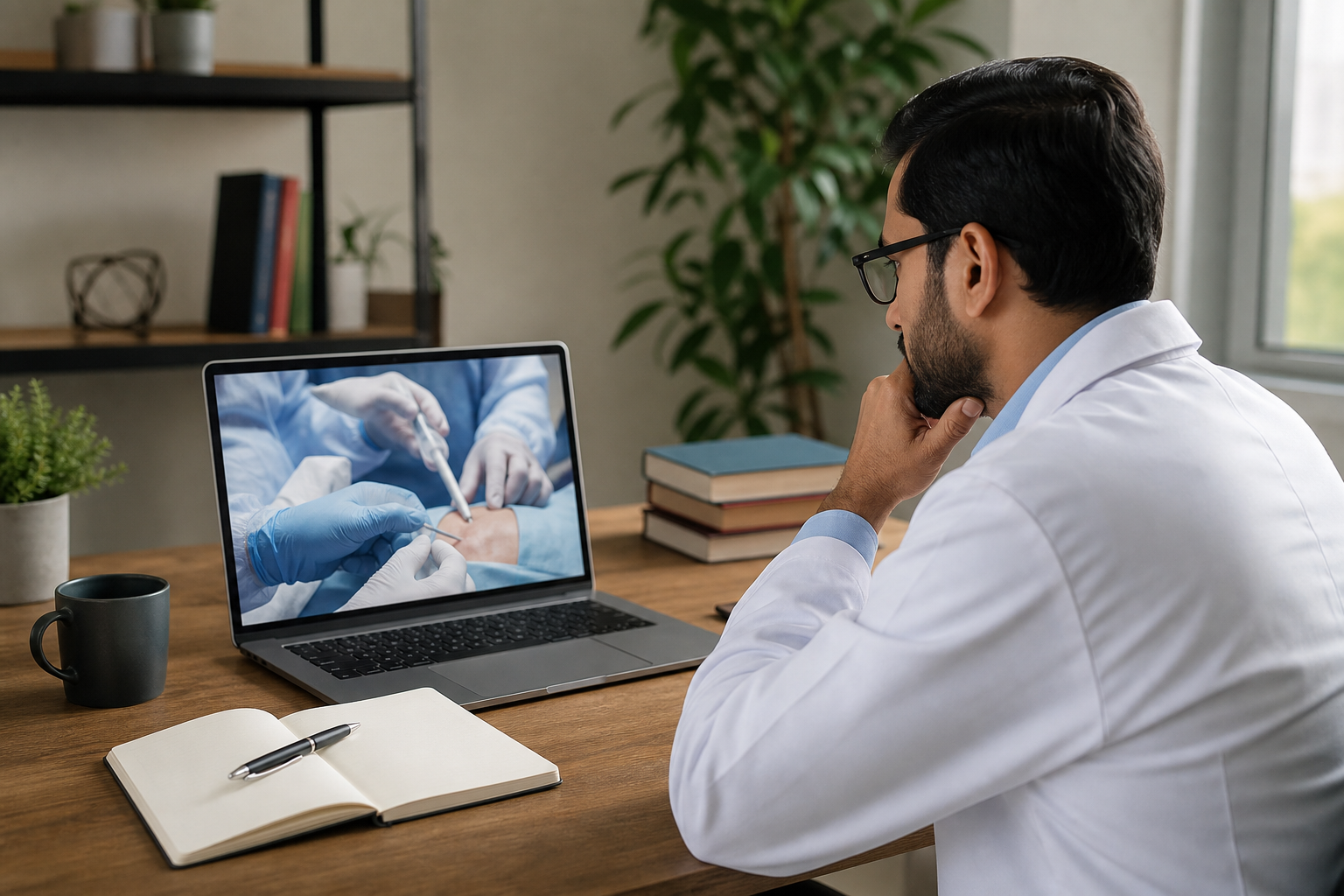
Doctors and healthcare professionals need to keep developing their clinical knowledge, but finding time for education alongside patient care can be difficult. Online clinical courses for doctors offer a flexible way to study relevant topics, revisit difficult concepts, and apply learning to everyday practice.The most useful courses do more than present information. They connect clinical skills with real decisions, help learners understand how technology can support care, and address the practical side of developing a sustainable medical practice. The right course should fit your goals, your current level of experience, and the way you want to use what you learn.Rigomo provides practical online courses for doctors and healthcare professionals in three connected areas: clinical skills, AI and digital practice, and practice growth. This combination allows professionals to focus on better patient care while also building capabilities that support long-term professional development.What Are Online Clinical Courses for Doctors?Online clinical courses for doctors are structured learning programmes delivered through digital platforms. They are designed to help medical professionals strengthen clinical knowledge, improve practical decision-making, or develop skills that can be used in patient care.Unlike broad medical content, a focused online course is built around a defined learning objective. For example, a course might help a doctor review a clinical approach, understand a new digital workflow, or think more clearly about how technology can be used in practice. The value comes from linking the subject to professional action rather than learning facts in isolation.Online learning may be particularly useful for professionals who need flexibility. You can compare course topics, choose education that reflects your current needs, and study when it is realistic to do so. However, convenience should not be the only selection criterion. A course is more valuable when its subject matter is relevant, its explanations are practical, and its learning can be carried into your professional setting.Why Practical Online Medical Education MattersProfessional development has a direct connection to the quality and consistency of clinical work. Learning can help doctors review established approaches, explore useful tools, and identify ways to improve the experience of delivering care. It can also encourage more deliberate reflection on how clinical and operational decisions affect patients.Practical education is different from simply collecting information. It asks questions such as:How does this knowledge influence a clinical decision?What would applying this approach look like in day-to-day work?Which parts of the learning are immediately relevant, and which require further study?How can digital tools support care without replacing professional judgement?These questions make online medical education more useful because they move the learner from passive consumption towards thoughtful application. A doctor may finish a lesson with a clearer framework for approaching a clinical issue, a better understanding of a digital option, or a more structured plan for improving practice.Education should always be considered alongside professional standards, current guidance, local requirements, and the needs of individual patients. An online course can support development, but it does not replace clinical judgement, appropriate supervision, or the responsibility to use reliable information in context.Three Areas to Consider When Choosing a CourseClinical skillsClinical skills courses can help doctors revisit the knowledge and approaches that underpin patient care. When comparing a course, look for a clear explanation of what skill or area it addresses and how the material relates to clinical work.A useful clinical course should encourage you to think through the reasoning behind an approach, not only memorise a list of facts. Consider whether the course helps you recognise relevant information, structure your thinking, and identify questions that may need further investigation.Clinical learning is often most valuable when it reflects the realities of practice. Look for material that acknowledges uncertainty, variation between patients, and the importance of adapting decisions to the situation in front of you.AI and digital practiceArtificial intelligence and digital tools are becoming increasingly relevant to healthcare professionals. Doctors may need to understand what these tools are intended to do, where they may be useful, and what professional considerations should guide their use.Courses in AI and digital practice can support a more informed approach to technology. Instead of treating digital tools as automatically beneficial, learners can evaluate how a tool fits into care, communication, documentation, or other parts of professional work. They can also consider where human oversight remains essential.When assessing a digital practice course, ask whether it explains the practical implications of adoption. A strong learning experience should help you think about workflow, responsible use, limitations, and the effect on patients and healthcare professionals—not just the technical vocabulary.Practice growthClinical quality and practice development are closely related. Doctors and healthcare professionals may also need skills that help them organise their work, communicate value clearly, and create a more sustainable professional environment.Practice growth education can address the thinking behind development rather than promising a one-size-fits-all result. The right course should help you connect professional goals with the needs of the people you serve. It may also encourage a clearer view of how patient care, service design, communication, and operational decisions work together.For a busy professional, studying these three areas together can provide a broader perspective. Clinical skills support care directly, digital knowledge helps you assess new possibilities, and practice growth can help create the conditions for continued improvement.How to Choose the Right Online Clinical CourseBefore enrolling in an online clinical course for doctors, define what you want the learning to achieve. A specific objective makes it easier to judge whether a course is suitable and whether the time required is worthwhile.Identify the gap. Decide whether you need to strengthen a clinical skill, understand AI and digital practice, or address a practice-development priority.Check the level. Consider whether the course is appropriate for your current knowledge and professional responsibilities. Material that is too basic may not be useful, while material that assumes advanced knowledge may be difficult to apply.Review the practical focus. Look for clear learning outcomes and an explanation of how the subject relates to real professional decisions or workflows.Consider flexibility. Think about when and how you will study. A course should fit realistically around patient care and other responsibilities.Plan for application. Decide in advance how you will use the learning. This might involve reviewing a process, discussing an idea with colleagues, or identifying a question for further professional study.It is also sensible to consider how the course fits into your broader development. One short course may answer an immediate need, while a sequence of learning across related topics may better support a longer-term goal. The best choice depends on what you are trying to improve now.Making Online Learning Fit Around Clinical WorkOnline education is flexible, but flexibility does not automatically create time. A simple plan can make it easier to study consistently without allowing education to become another source of pressure.Start by setting a clear purpose for the course. Write down the professional question you want it to help answer. Then divide the learning into manageable sessions that fit your schedule. Short, focused study periods can be more realistic than waiting for a large block of uninterrupted time.Keep notes focused on application. Rather than recording every detail, capture the ideas that change how you understand a problem or suggest a useful next step. You can organise notes under three headings: what I learned, what I need to verify, and how this may affect my practice.After completing a section, pause before moving on. Ask what you would do differently, what remains unclear, and whether the material raises any patient-safety or professional questions. This reflection helps turn online learning into an active part of development.Where appropriate, discuss relevant learning with colleagues. Professional conversation can reveal different perspectives and help you separate a useful general principle from an idea that needs careful adaptation to a particular setting. Any change to clinical practice should be considered responsibly and in line with applicable requirements and guidance.Examples of Useful Learning GoalsA course is easier to evaluate when the goal is expressed in practical terms. “Learn more about AI” is broad. “Understand how to assess a digital tool before considering its use in professional work” is more specific and gives you a clearer basis for judging progress.Other examples of focused goals include:Strengthen a clinical approach that is relevant to your current responsibilities.Build a clearer framework for thinking through clinical information and decisions.Understand how AI may affect medical workflows and where professional judgement remains necessary.Identify ways to use digital practice thoughtfully while keeping patient care central.Clarify how practice-growth decisions can support professional goals and the needs of patients.These goals do not assume that a course will solve every challenge. They give your learning a direction and help you decide what further education, discussion, or review may be appropriate.How Rigomo Supports Professional DevelopmentRigomo is an online medical education platform for doctors and healthcare professionals. Its practical online courses focus on clinical skills, AI and digital practice, and practice growth, giving learners the opportunity to develop across areas that influence both patient care and professional work.This broad focus can be useful if you are looking for education that goes beyond a single narrow topic. You can approach learning through the area that matches your immediate priority, whether that is strengthening clinical capability, becoming more informed about technology, or thinking about how to develop your practice.Rigomo’s emphasis on practical courses also reflects an important principle: professional education should connect with the work healthcare professionals actually do. As you review available learning, consider which topic best matches your current needs and how you will apply the ideas responsibly in your own context.Turn Learning Into Your Next Professional StepOnline clinical courses for doctors can make professional development more accessible and more focused, especially when the learning is practical and connected to patient care. The strongest choice is not necessarily the broadest course or the most advanced-sounding topic. It is the one that addresses a genuine need, fits your circumstances, and helps you think more clearly about your next step.Begin by identifying the skill or question you want to develop. Then compare the course focus, practical relevance, level, and flexibility before committing your time. Explore Rigomo’s online medical education courses to find a focused way to support your clinical skills, digital practice, or practice growth.

Thu, 27 Aug 2026

DeepSchool: The Story of an Idea That Refused to Sit Still
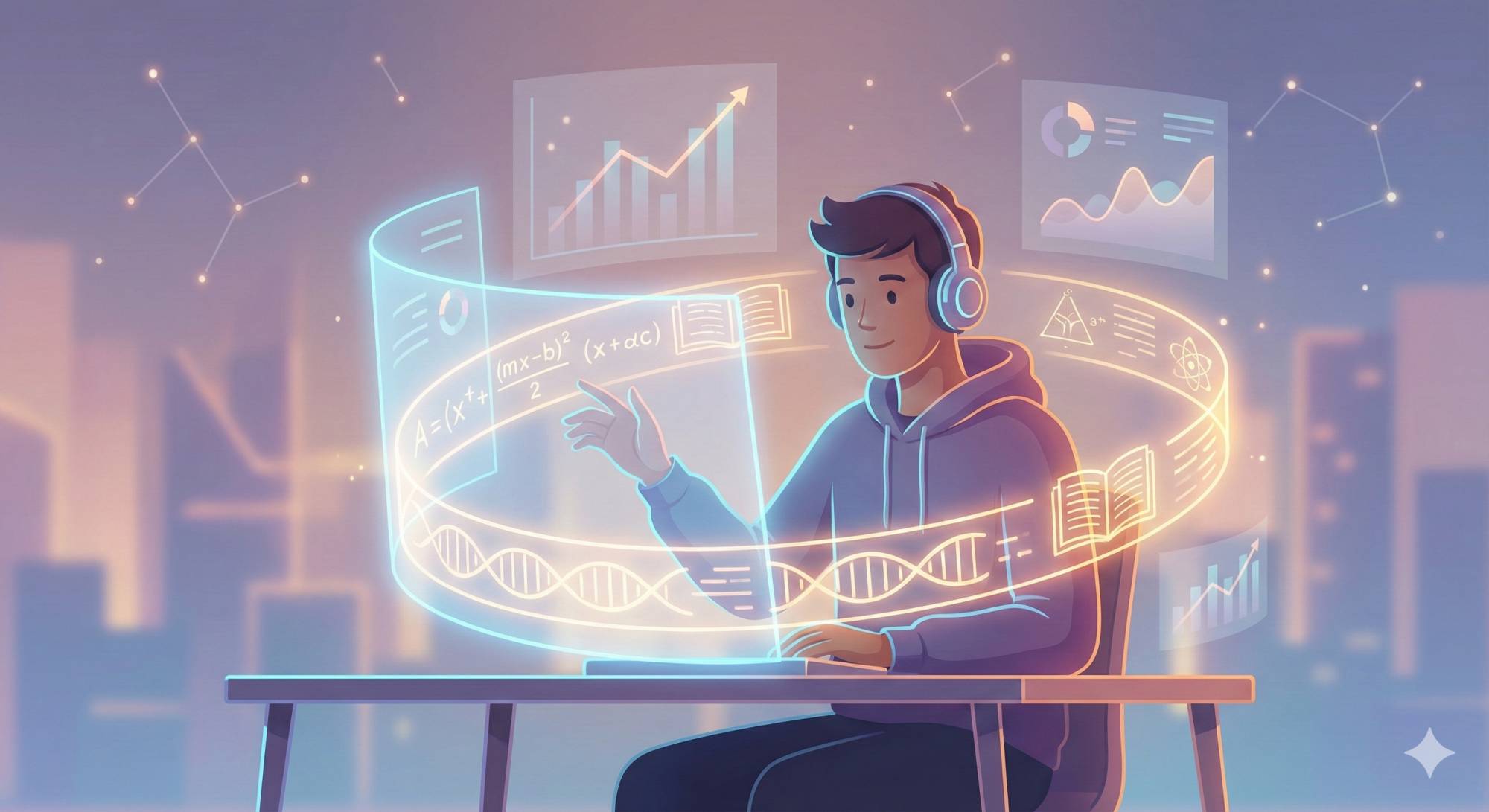
By Murshid Shaukat Ansari — Co-Founder & CTO, Rigomo Technologies There are moments in life when a problem doesn’t just appear in front of you — it stays, follows you, challenges you, and nudges you until you decide to solve it. DeepSchool was exactly that kind of problem for me. A Classroom That Changed Everything A few years ago, I was visiting a small-town school while working on a different project. I remember walking into a classroom where a teacher was explaining a math concept — clearly, patiently, and beautifully. Yet, as I looked around, I could see three different worlds inside that single room: A few students who understood everything before the teacher even finished. A majority who understood just enough to move on but not enough to feel confident. And a handful who were utterly lost, silently shrinking into their seats. Same teacher. Same explanation. Same environment. Three entirely different outcomes. And I thought: “Why does learning still happen in one pace, one direction, one dimension?” That question grew roots. And those roots became DeepSchool. The Idea: Learning That Thinks With You DeepSchool wasn’t built to be another edtech app. It was built to challenge the fundamental idea of how learning happens. Students don’t struggle because they’re incapable. They struggle because: Content moves too fast Practice is not personalized Weak areas aren’t identified early Parents can’t track real progress Teachers don’t have visibility into each student’s learning pattern So I asked myself: “What if the learning system could think with the student?” What if it could sense hesitation, adapt to confusion, and celebrate mastery? What if it could ease the burden from parents and empower teachers at the same time? That became the design philosophy of DeepSchool. Behind the Curtain — The Technology That Breathes At Rigomo, we’ve always believed that technology is just a tool. Impact is the real product. DeepSchool uses: Bayesian Knowledge Tracing (BKT) Deep Knowledge Tracing (DKT) Reinforcement-style adaptation models Real-time student analytics AI-generated personalized practice paths In simpler words: DeepSchool learns how a student learns. It studies patterns, responds to struggles, and adjusts difficulty — just like a great teacher does, but available 24/7, infinitely patient, and customized for every child. How DeepSchool Helps Students & Parents — A Story, Not a Feature List Let me introduce you to Aarav — a fictional character, but inspired by thousands of real stories. Aarav’s Struggle Aarav is in Class 7. Smart kid. Curious mind. But math scares him. Not because he’s weak — but because his foundation has cracks he never noticed. Aarav Meets DeepSchool On the first day, DeepSchool tests him gently. Not like an exam — more like a conversation. It starts understanding him: Where he hesitates. Where he guesses. Where he shines. The Turning Point DeepSchool doesn’t dump 100 questions on him. It gives him 8. Perfectly chosen. Precisely timed. And after a week, Aarav’s confidence shifts. Not because he magically became smarter — because the system finally matched his pace. Now Let’s Talk About His Parents Aarav’s parents don’t have to chase him or guess what's happening. DeepSchool shows: Daily progress Strength–weakness maps Learning speed Accuracy curves Topic-by-topic mastery Suddenly, learning isn’t a stress. It’s a shared journey — guided, data-driven, meaningful. And teachers? They finally get a dashboard that feels like a superpower. Why I Built DeepSchool — The Founder’s Truth I didn’t create DeepSchool to compete. I built it because learning deserves personalization. Because every student carries potential that rarely gets the right direction. Because parents should feel empowered, not confused. Because teachers should teach, not chase assessments. DeepSchool is not a product to me. It’s a responsibility. A promise. A quiet revolution that started from one classroom that refused to leave my mind. Learn more at DeepSchool What Comes Next We are expanding DeepSchool with: AI-driven concept explainers Interactive real-time doubt solving Parent mentorship tools Teacher command centers Multi-language learning Analytics that predict success before failure happens We’re not here to build “another app.” We’re here to transform how India learns — one student at a time. Final Words — From Me to You If you’re a parent, a student, a teacher, or simply someone who believes in the power of learning — DeepSchool is built for you. I invite you to be part of this journey. To witness how learning changes when technology listens. To see how confidence grows when the system finally understands the learner. Because when a child learns at their own pace… they don’t just learn better — they learn to love learning.

Tue, 02 Dec 2025

All blogs