Best diet for Men Over 50 | Rigomo

Published - Sun, 22 May 2022

Best diet for Men Over 50

Best diet for Men Over 50

One of the most effective ways to steer a healthier lifestyle is by having a healthy diet. As a person over 50, it is vital to focus your diet toward minimizing the danger of common health issues like high force per unit area, high blood glucose, diabetes, cardiopathy, and prostate health. Making healthy lifestyle habits can have an enormous impact on your health.


After you switch 50, your metabolism begins to slow. thanks to this, it is important to fuel your body with good foods while limiting junk foods. Maintaining a healthy diet helps to prevent weight gain and other health issues. you'll easily add nutrient-rich foods to your diet to spice up your health. If you’re looking to form healthier food choices, include these foods in your diet:


Potassium-rich foods-It helps to combat the negative effects of sodium, moreover as lowering vital sign. Potassium could be a mineral that's a necessary a part of your heart-healthy diet. It's recommended that men consume about 3,400 milligrams of potassium daily. Eating the proper amount of potassium helps your organic process sodium and might help relax your blood vessels, lowering vital sign to a healthy level.


Cherries and berries-Anti-inflammatory foods can helps to reduce muscle and joint inflammation. They're also an excellent thanks to offset stress on the center and lungs caused by physical activity and exercise. Cherries are an easy thanks to add anti-inflammatory foods to your diet.


Studies show that cherries possess qualities that fight inflammation and supply antioxidant benefits on A level the same as over-the-counter anti-inflammatory drugs. Tart cherries are shown to assist soothe osteoarthritis and gout, a standard type of arthritis among men over 50.


Avocado- Eating healthy fats like avocados can help lower your risk for obesity and cardiopathy. Studies show that folks who consume avocados regularly as a component of a diet are more likely to own a lower weight, lower body mass index, and a smaller waist. you'll enjoy avocados in guacamole, breakfast dishes, salads, sandwiches, and more.


Beans and legumes- Beans and legumes will be effective when it involves preventing diabetes and heart condition. Legumes — like beans, chickpeas, and lentils — are shown to own a coffee glycemic index, meaning they need minimal impact on glucose levels. Their low glycemic impact makes beans and legumes a good addition to your diet. you'll easily incorporate them into your daily meals by adding them to your salads, burritos, or bowls.

Created by

Rigomo Team

Rigomo is a leading online education platform that offers a wide range of courses to help individuals enhance their skills and achieve their career goals. With our user-friendly interface and expert instructors, we strive to provide high-quality education to everyone, anytime and anywhere. Join us today and take the first step towards a brighter future.

Rigomo is an e-learning platform that was founded in 2019 by a team of dedicated professionals with a passion for revolutionizing the way people learn. The platform offers a range of online courses that cover various industries, including business, technology, healthcare, and more.

Rigomo's courses are designed to be interactive and engaging, with a focus on practical skills that learners can apply in their careers. The platform uses a combination of video lectures, quizzes, and hands-on projects to help learners master the subject matter.

Rigomo is committed to providing affordable and accessible education to people around the world. The platform offers a range of pricing options, including monthly and annual subscriptions, as well as pay-as-you-go options for individual courses.

Since its launch, Rigomo has received numerous accolades for its innovative approach to e-learning. The platform has helped thousands of learners across the globe acquire new skills and advance their careers.

As Rigomo continues to grow, the team remains committed to providing high-quality education that is accessible to all. The platform is constantly updating its courses and features to ensure that learners have access to the latest tools and technologies.

View profile

Comments (0)

Search
Popular categories
Latest blogs
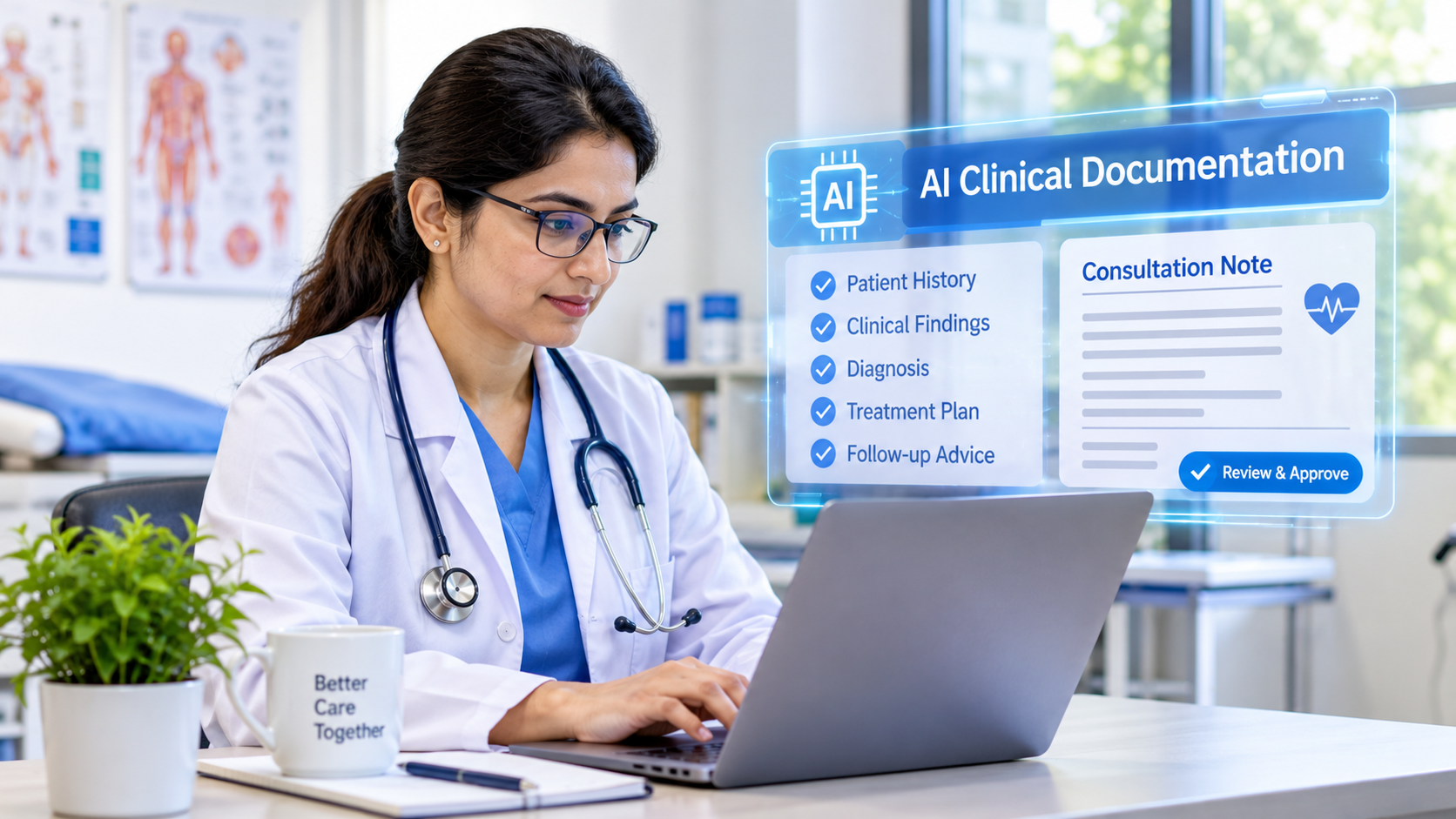
AI in Clinical Documentation: How Doctors Can Save Time While Maintaining Accuracy
Clinical documentation is an essential part of healthcare, but preparing patient records, consultation notes, discharge summaries, and referral letters can take significant time.Artificial Intelligence (AI) is helping healthcare professionals simplify these tasks. AI-powered tools can convert consultation conversations into structured notes, summarize patient information, and assist with medical record management.When used responsibly, these tools can reduce administrative work and allow doctors to focus more on patient care.What Is AI-Powered Clinical Documentation?AI-powered clinical documentation uses technologies such as speech recognition, Natural Language Processing (NLP), and generative AI to create and organize medical records.These tools can help doctors:Prepare patient consultation notes.Summarize medical histories.Draft discharge summaries.Prepare referral letters.Organize examination findings and treatment plans.Create follow-up documentation.AI supports the documentation process but does not replace a doctor's clinical judgment.How Does AI Clinical Documentation Work?AI documentation tools generally follow three steps:1. Capturing Information: The software processes approved consultation conversations or information entered by healthcare professionals.2. Organizing Medical Details: AI identifies relevant information, such as symptoms, medical history, medications, and examination findings.3. Creating Clinical Notes: The system prepares a structured draft that the doctor can review, correct, and approve.The final medical record must always be checked by an authorized healthcare professional.Key Benefits of AI in Clinical Documentation1. Saves TimeAI can reduce repetitive typing and assist with preparing clinical notes, helping doctors manage documentation more efficiently.2. Improves Documentation OrganizationAI can arrange medical information into structured sections, making patient records easier to read and review.3. Supports Patient InteractionBy reducing manual documentation during consultations, AI may help doctors give more attention to conversations with patients.4. Simplifies Record ManagementAI can assist with summarizing lengthy patient histories and preparing drafts of medical documents.Research published in the Journal of the American Medical Informatics Association and JAMA Network Open has examined the use of AI-powered documentation tools in clinical settings.Read research on ambient AI scribesRead the JAMA Network Open studyCommon Uses in HealthcareAI-powered documentation can support different clinical workflows:OPD Notes: Prepare structured notes from patient consultations.Discharge Summaries: Organize hospital treatment details and follow-up instructions.Referral Letters: Create drafts containing relevant patient information.EHR Management: Help organize information in electronic health records.Follow-Up Records: Summarize patient progress and future care plans.Practical ExamplesExample 1: General Physician ClinicA doctor uses an AI documentation tool to prepare a consultation note based on an approved patient conversation. The doctor reviews the draft and corrects any missing details before saving it.Example 2: Hospital DischargeAI helps organize patient information into a discharge summary, including treatment details, medications, and follow-up instructions. The treating doctor verifies the final document.Example 3: Specialist ConsultationA specialist uses AI to summarize relevant information from a patient's medical history, making it easier to review previous consultations and records.These examples illustrate potential uses rather than guaranteed results.Challenges and LimitationsDespite its benefits, AI documentation has important limitations.Accuracy: AI may misunderstand medical terminology or generate incorrect information.Patient Privacy: Healthcare organizations must protect sensitive patient information.System Integration: Some tools may require integration with existing electronic health record systems.Professional Oversight: Doctors must review and approve AI-generated records.Implementation Costs: Software, training, and maintenance may involve additional expenses.Healthcare organizations should choose secure, approved solutions and follow applicable privacy and data protection requirements.Best Practices for Using AITo use AI responsibly in clinical documentation, healthcare professionals should:Review every AI-generated note before approval.Follow appropriate patient consent and privacy requirements.Use secure and trusted software platforms.Train staff to understand the technology and its limitations.Regularly monitor documentation quality and accuracy.The Future of AI in Clinical DocumentationAI technology is expected to become increasingly integrated into electronic health records and everyday clinical workflows.Future systems may offer better medical language recognition, multilingual documentation, and more efficient patient record summaries.However, successful adoption will depend on accuracy, data security, transparency, and human oversight.The World Health Organization also emphasizes responsible governance and ethical use of AI in healthcare.Read WHO guidance on AI in healthcareConclusionAI in clinical documentation offers doctors and healthcare organizations an opportunity to simplify administrative tasks, organize medical records, and improve workflow efficiency.From consultation notes to discharge summaries, AI can assist with preparing structured medical documents. However, patient privacy, clinical accuracy, and professional review must always remain priorities.AI should be treated as a supportive tool, not a replacement for medical expertise. With responsible implementation, it can help healthcare professionals spend less time on repetitive documentation and more time focusing on quality patient care.SEO DetailsSEO Title: AI in Clinical Documentation: Benefits and Uses for DoctorsMeta Description: Discover how AI in clinical documentation helps doctors save time, organize medical records, improve workflow efficiency, and maintain accuracy.URL Slug: ai-in-clinical-documentationPrimary Keyword: AI in Clinical DocumentationSecondary Keywords: AI Medical Documentation, AI Tools for Doctors, Automated Clinical Documentation, AI in Healthcare, Medical Scribing Technology, AI Clinical Notes, Electronic Health RecordsCategory: Healthcare TechnologyReferencesJournal of the American Medical Informatics Association – Ambient AI ScribesJAMA Network Open – AI Documentation ResearchWorld Health Organization – Ethics and Governance of AI for Health

16 Hours Ago

Financial Planning for Doctors: Clinic Management and Growth
Financial Planning for Doctors: How to Manage Clinic Finances and Build a Sustainable Medical PracticeRunning a successful medical practice requires more than clinical expertise and the ability to provide quality patient care. Doctors who establish their own clinics must also understand financial planning, expense management, revenue generation, and daily business operations.Many healthcare professionals focus primarily on treating patients but underestimate the financial and administrative responsibilities involved in managing a medical practice. Expenses such as rent, staff salaries, medical equipment, electricity, maintenance, and medical supplies can quickly add up. Without proper financial planning, even a clinic with a steady flow of patients may experience financial difficulties.Financial planning plays an important role in ensuring that a medical practice remains financially stable while continuing to deliver quality healthcare services.From preparing a realistic budget to managing cash flow and investing in technology, doctors need to develop essential financial management skills to build a sustainable practice.In this article, we explore the key aspects of financial planning and clinic management, practical strategies doctors can implement, and real-world healthcare case studies that demonstrate how better financial and operational management can improve clinic performance.Why Financial Planning Is Important for Medical PracticesFinancial planning helps doctors understand how much money their clinic earns, how much it spends, and where improvements can be made.A clinic may receive a considerable number of patients every day, but high patient volume does not automatically translate into financial stability. Poor expense management, delayed payments, inefficient billing, and unnecessary purchases can reduce profitability.Effective financial planning helps doctors:Understand their clinic's financial position.Prepare monthly and annual operating budgets.Control unnecessary expenses.Maintain sufficient cash flow.Plan investments in medical equipment and technology.Manage staff salaries and operational costs.Prepare for unexpected financial challenges.Identify opportunities for sustainable growth.Financial planning should not be treated as a one-time activity. Doctors should regularly review their clinic's financial performance and adjust their plans according to changing operational requirements.1. Understanding the Financial Needs of a Medical PracticeBefore establishing a clinic or expanding an existing one, doctors should understand the financial requirements involved in running the practice.These expenses can generally be divided into three categories.Initial Setup CostsThese are expenses incurred when establishing a new clinic.Common examples include:Renting or purchasing clinic space.Interior design and renovation.Medical equipment and diagnostic instruments.Furniture and waiting-room arrangements.Computers and practice management software.Licences, registrations, and professional services.The initial investment depends on the clinic's specialty, location, size, and services offered.Fixed Operating CostsFixed costs are recurring expenses that generally remain stable over a particular period.Examples include:Monthly rent.Staff salaries.Internet and software subscriptions.Insurance premiums.Equipment financing payments.Certain maintenance contracts.Understanding fixed expenses helps doctors calculate the minimum monthly revenue required to keep the clinic operational.Variable Operating CostsVariable expenses change depending on patient volume and clinical activities.These may include:Medical consumables.Diagnostic supplies.Laboratory materials.Utility consumption.Cleaning supplies.Equipment servicing and repairs.Separating expenses into these categories makes budgeting easier and helps doctors identify areas where cost management may be improved.2. Budgeting and Managing Clinic ExpensesA well-prepared budget provides a financial roadmap for a medical practice.Doctors should prepare a monthly operating budget that includes expected revenue, fixed expenses, variable expenses, and planned investments.For example, a small outpatient clinic may prepare a monthly budget covering rent, salaries, electricity, medical supplies, software, equipment maintenance, and other administrative costs.The actual figures will depend on the clinic's location, specialty, and size.Practical strategies for better expense managementTrack Every Expense: Maintain accurate records of purchases, payments, salaries, and other operational expenses.Review Supplier Agreements: Compare suppliers periodically and evaluate whether existing agreements provide appropriate value and quality.Monitor Inventory: Maintain an organised inventory system to avoid excessive purchasing, expired products, and unnecessary stock accumulation.Avoid Unnecessary Investments: Purchase equipment according to actual clinical requirements rather than investing in expensive technology that may remain underutilised.Review Monthly Performance: Compare actual expenses with the planned budget to identify unexpected increases.Expense management should never compromise patient safety, clinical quality, or the standards required for medical equipment and supplies.3. Setting Consultation Fees and Pricing Medical ServicesConsultation fees are an important component of a clinic's financial planning.Doctors should establish their pricing structure by considering the costs involved in providing services, their specialty, local market conditions, patient requirements, and applicable professional and regulatory considerations.A pricing decision should account for:Clinic rent and operational expenses.Staff and administrative costs.Medical equipment and maintenance.Time spent with each patient.The complexity of services provided.Local healthcare affordability.For example, a specialist clinic providing longer consultations or additional diagnostic services may have a different cost structure from a general outpatient practice.Doctors should regularly review their pricing structure to ensure that it remains financially sustainable and transparent to patients.It is equally important to communicate consultation charges and service costs clearly before providing services.4. Managing Cash Flow and Clinic RevenueCash flow is one of the most important aspects of clinic management.It refers to the movement of money into and out of a medical practice.A clinic may generate revenue through consultations, diagnostic services, procedures, health packages, and other legitimate medical services. However, delayed payments and poor financial tracking can create cash flow problems.For example, a clinic that provides services through insurance or third-party administrators may have to wait for reimbursement after submitting claims.During this period, the clinic still needs to pay salaries, rent, suppliers, and other operational expenses.Ways to improve cash flowMaintain accurate billing records.Collect payments promptly according to the clinic's payment policy.Submit insurance claims with complete and accurate documentation.Monitor pending payments regularly.Follow up on rejected or delayed claims.Maintain a monthly cash flow statement.Keep an appropriate financial reserve for unexpected expenses.Doctors should also distinguish between revenue generated, payments received, outstanding receivables, and actual operating profit.These figures provide different information about the financial health of a practice.5. Investing in Medical Equipment and TechnologyMedical equipment and digital technology are essential investments for modern healthcare practices.However, every investment should be evaluated according to its clinical value and financial impact.Before purchasing new equipment, doctors should consider:Initial purchase cost.Installation and maintenance expenses.Staff training requirements.Expected patient demand.Equipment lifespan.Potential revenue contribution.Clinical benefits and patient safety.Technology can also improve the administrative side of clinic management.For example, practice management systems can help organise appointments, maintain billing records, manage patient information, and monitor daily operations.Electronic health records can reduce dependence on paper-based documentation and make relevant patient information easier to access.The objective should not simply be to purchase more technology. It should be to identify solutions that improve efficiency, support better patient care, and provide long-term value.6. Managing Staff Salaries and Operational CostsStaff members play an important role in the daily functioning of a medical practice.Receptionists, nurses, administrative employees, technicians, and other healthcare professionals contribute to patient experience and clinic efficiency.However, staff salaries also represent a significant recurring expense.Doctors should plan staffing requirements according to patient volume, clinical services, operating hours, and administrative responsibilities.Important staff management considerationsDefine Roles and Responsibilities: Every employee should understand their responsibilities and reporting structure.Plan Staff Schedules: Organise shifts according to patient appointments and operational requirements.Invest in Training: Staff training can improve communication, documentation, billing accuracy, and patient coordination.Monitor Workload: Ensure that responsibilities are distributed appropriately to avoid unnecessary administrative pressure.Review Staffing Costs: Regularly evaluate whether staffing arrangements meet the clinic's operational needs without compromising service quality.Effective staff management improves both operational efficiency and the overall patient experience.7. Using Financial Reports to Make Better DecisionsDoctors should not depend only on their bank balance to evaluate the performance of their clinic.Financial reports provide a clearer understanding of how the practice is performing.Some important reports include:Profit and Loss StatementThis report summarises the clinic's income and expenses over a specific period. It helps doctors understand whether the practice is generating an operating profit or experiencing a loss.Cash Flow StatementThis report tracks the money entering and leaving the business. It helps identify potential liquidity problems.Balance SheetA balance sheet provides information about the clinic's assets, liabilities, and owner's equity at a particular point in time.Accounts Receivable ReportThis report tracks outstanding payments from patients, insurance providers, or other parties.Monthly Expense ReportThis report helps doctors identify where money is being spent and compare actual costs with the planned budget.Reviewing these reports regularly allows doctors to identify financial problems early and make better-informed decisions.8. Real-World Case Studies: How Better Financial Management Improves Healthcare OperationsUnderstanding financial management becomes easier when we examine real healthcare organisations that have improved their financial and operational performance through better systems and processes.The following examples demonstrate how effective revenue management, billing improvements, and operational planning can contribute to better financial outcomes.Case Study 1: Brownsville Community Health Centre – Improving Revenue CollectionOne useful example comes from the Brownsville Center, documented by The Commonwealth Fund.The organisation faced challenges in generating sufficient revenue to sustain its healthcare services. It participated in a Revenue Maximization (RevMax) Learning Collaborative to improve its collection processes and financial management.The programme focused on improving billing practices, reducing delays between service delivery and billing, addressing rejected claims, and strengthening internal financial controls.Reported results included:Average weekly cash receipts increased by 46%.Reimbursement per visit increased by 55%, from $78 to $121.Total revenue increased by 51%, representing an additional $345,000.Patient visit volume increased by 5%.This case demonstrates the importance of managing the complete revenue cycle rather than focusing only on attracting more patients.For independent medical practices, the key lesson is to maintain accurate billing records, collect payments efficiently, monitor rejected claims, and establish clear financial responsibilities.Source: The Commonwealth Fund – Revenue Maximization Program at the Brownsville CenterCase Study 2: Clinics of North Texas – Improving Revenue Cycle ManagementClinics of North Texas provides another example of how better revenue cycle management can improve financial performance.The practice worked with an external revenue cycle management team to improve billing operations, address denied claims, monitor payments, and identify documentation issues.The organisation also received support in tracking payer policy changes and improving its revenue collection processes.Reported results included:Annual revenue increased by 20% after the transition.Average days in accounts receivable decreased from 36 to 23.The proportion of accounts receivable under 90 days increased from 16% to 56%.Gross collection rate improved by 1.64 percentage points.The case highlights how accurate documentation, regular claim follow-up, and organised billing systems can reduce administrative inefficiencies.For doctors managing independent clinics, an important takeaway is that every consultation and service should be documented and billed accurately.Source: Medical Group Management Association (MGMA) – Using an RCM Solution to Maximize Revenue and Reduce Administrative BurdenCase Study 3: A Medical Group's Operational Transformation – Reducing Costs and Improving EfficiencyA case study published by Baker Tilly describes how a medical group improved its operations by introducing lean management principles.The organisation focused on improving appointment scheduling, organising clinical workspaces, managing inventory, and strengthening revenue cycle processes.These changes helped reduce operational inefficiencies and improve the use of available resources.Reported results included:More than 10,000 additional annual appointment opportunities.Approximately $155,000 saved through reduced appointment no-shows.More than 900 square feet of workspace reclaimed.Over 4,400 annual staff hours freed through revenue cycle improvements.An estimated $1.7 million in financial improvement since 2017.Although this example involves a larger medical group rather than a small independent clinic, its principles can be applied to practices of different sizes.Doctors can begin with simple improvements such as better appointment scheduling, inventory tracking, clearly assigned staff responsibilities, and organised billing workflows.Source: Baker Tilly – Case Study: Health System Becomes a Lean EnterpriseWhat Can Independent Doctors Learn from These Case Studies?These examples highlight several practical lessons:Increasing patient numbers is not the only way to improve financial performance. Better billing and collection processes also matter.Accurate documentation helps reduce billing errors and payment delays.Appointment scheduling and reminder systems can reduce avoidable operational losses.Inventory management can prevent unnecessary expenditure.Regular financial reporting helps identify problems before they become serious.Efficient administrative processes allow doctors and staff to spend more time on patient care.The results reported in these case studies relate to specific organisations and should not be treated as guaranteed outcomes for every clinic.9. Common Financial Mistakes Doctors Should AvoidEven experienced healthcare professionals can encounter financial difficulties when managing their own practices.Some common mistakes include:Mixing Personal and Business FinancesDoctors should maintain separate records and accounts for personal and clinic-related transactions. This makes financial tracking and accounting more organised.Not Preparing an Operating BudgetWithout a budget, it becomes difficult to identify unnecessary expenses or plan future investments.Ignoring Outstanding PaymentsUnpaid invoices and delayed reimbursements can create cash flow problems. Regular monitoring of outstanding payments is essential.Overinvesting in EquipmentPurchasing expensive equipment without evaluating patient demand, maintenance requirements, and expected utilisation can create unnecessary financial pressure.Ignoring Financial ReportsA clinic may appear busy while experiencing poor financial performance. Regularly reviewing financial statements helps doctors understand the actual position of their practice.Not Planning for Unexpected ExpensesEquipment breakdowns, emergency repairs, and temporary reductions in patient volume can affect clinic finances. Maintaining an appropriate financial reserve can help manage unexpected situations.10. Strategies for Long-Term Clinic GrowthFinancial stability is not only about reducing expenses. It also involves creating a sustainable operational model that supports future growth.Doctors can consider the following strategies:1. Develop a Long-Term Financial PlanPrepare financial projections for the next 12 months and review them periodically. Include expected revenue, operational expenses, planned investments, and potential risks.2. Improve Patient ExperienceClear communication, organised appointments, professional staff, and efficient clinic operations can support patient satisfaction and long-term trust.3. Use Digital Practice Management ToolsDigital systems can improve appointment scheduling, documentation, billing, and reporting.4. Monitor Clinic Performance IndicatorsTrack important indicators such as monthly revenue, operating expenses, patient no-show rates, outstanding payments, and appointment utilisation.5. Evaluate Expansion CarefullyBefore opening another branch or introducing a new service, evaluate the financial requirements, patient demand, staffing needs, and operational risks.6. Work With Financial ProfessionalsChartered accountants and qualified financial advisors can help doctors with accounting, taxation, compliance, financial forecasting, and investment planning.A combination of clinical expertise, financial awareness, and effective management can help build a sustainable medical practice.ConclusionFinancial planning is an essential part of managing a successful medical practice. Doctors need to understand not only how to provide quality healthcare but also how to manage the financial and operational responsibilities involved in running a clinic.From preparing budgets and controlling expenses to managing cash flow, investing in technology, and analysing financial reports, every aspect of financial management contributes to the long-term stability of a practice.The real-world case studies discussed in this article demonstrate that improvements in billing, revenue collection, scheduling, and operational efficiency can create meaningful financial benefits for healthcare organisations.However, every clinic has different requirements depending on its specialty, location, size, and patient population. Financial strategies should therefore be adapted to the specific needs of each practice.As healthcare continues to evolve, doctors who develop both clinical and management skills will be better prepared to establish sustainable practices, improve operational efficiency, and deliver quality patient care.Ultimately, successful clinic management is about maintaining the right balance between financial sustainability, operational efficiency, and patient-centred healthcare.

5 Days Ago

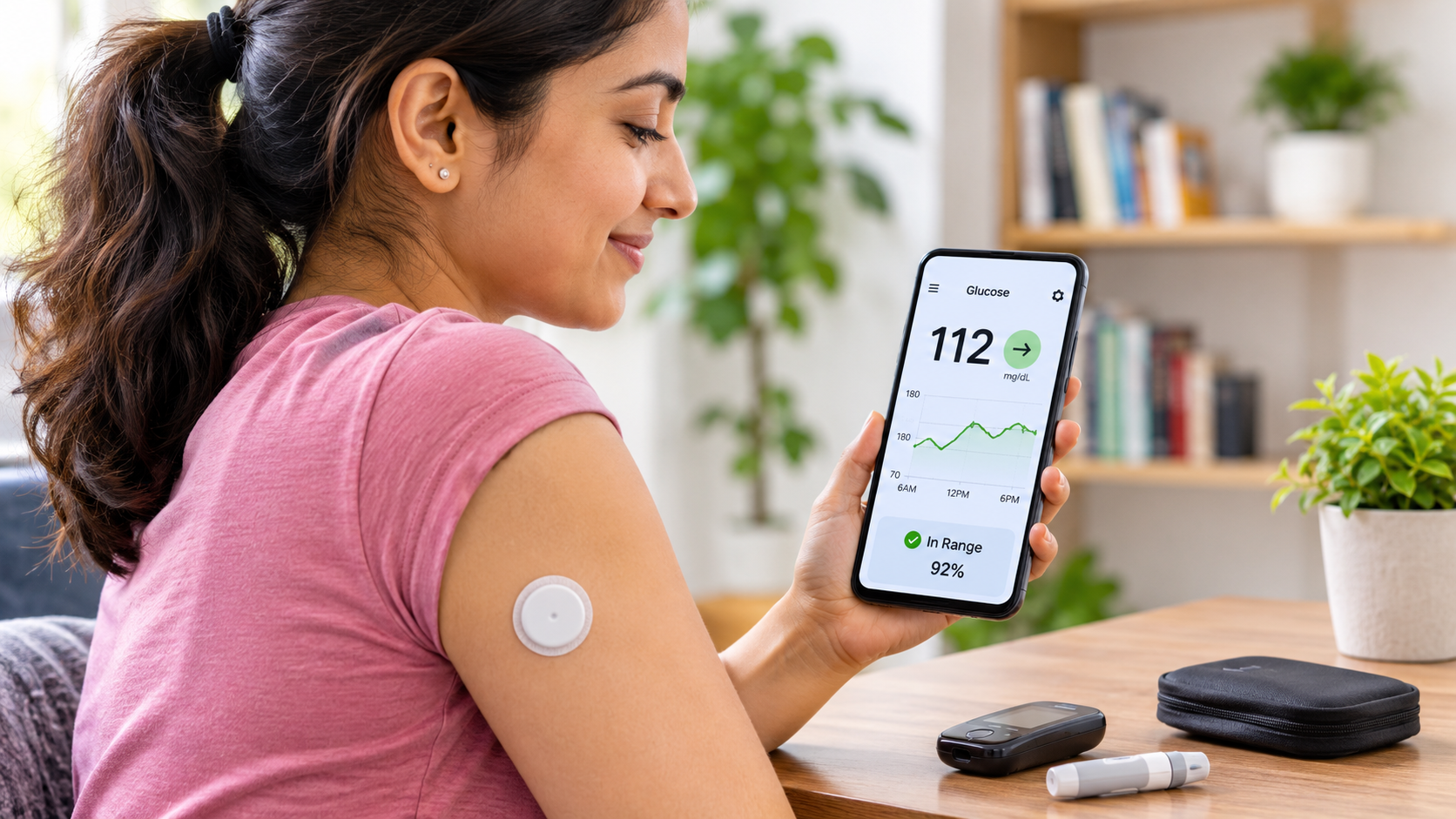
Beyond Blood Sugar: How Continuous Glucose Monitoring Is Transforming Diabetes Management
Diabetes management has evolved significantly over the years. Traditionally, people living with diabetes have relied on periodic finger-prick blood glucose tests to monitor their sugar levels. Although this method provides important information, it offers only a snapshot of blood glucose at a particular moment.But what happens to blood sugar levels between these tests? How do they change after meals, during physical activity, or while sleeping?This is where Continuous Glucose Monitoring (CGM) is making a difference.Continuous Glucose Monitoring is an advanced technology that allows individuals and healthcare professionals to track glucose levels throughout the day and night. By providing regular glucose readings, identifying patterns, and generating alerts, CGM offers a more comprehensive understanding of glucose fluctuations.As healthcare technology continues to advance, CGM is becoming an important tool in modern diabetes management.What Is Continuous Glucose Monitoring (CGM)?Continuous Glucose Monitoring is a method of tracking glucose levels using a small wearable medical device called a Continuous Glucose Monitor.Unlike traditional blood glucose monitoring, which requires a finger-prick blood sample, a CGM device uses a tiny sensor placed under the skin, commonly on the arm or abdomen, to measure glucose levels in the interstitial fluid (the fluid surrounding the body's cells).The device automatically estimates glucose levels at regular intervals, usually every few minutes, and sends the information to a connected smartphone, receiver, or other compatible device.This allows users to observe how glucose levels change throughout the day rather than relying only on occasional measurements.CGM technology is particularly useful because it provides information about glucose trends, including whether glucose levels are rising, falling, or remaining relatively stable.How Does Continuous Glucose Monitoring Work?A Continuous Glucose Monitoring system generally consists of three main components:1. SensorThe sensor is a small component placed just beneath the skin using an applicator. It measures glucose levels in the interstitial fluid and collects readings continuously.Depending on the device, the sensor may need replacement after a specified period.2. TransmitterThe transmitter collects information from the sensor and sends the glucose readings wirelessly to a compatible receiver or smartphone.Some modern CGM systems integrate the transmitter and sensor into a single wearable device.3. Display Device or Mobile ApplicationThe collected information is displayed through a smartphone application, dedicated receiver, or compatible insulin delivery system.Users can view current glucose estimates, historical readings, and graphical representations of glucose trends. Many systems also provide alerts when glucose levels move above or below predefined limits.It is important to understand that CGM measures glucose in interstitial fluid rather than directly measuring blood glucose. Therefore, readings may sometimes differ from finger-prick measurements, particularly when glucose levels are changing rapidly.What Makes CGM Different from Traditional Blood Glucose Monitoring?Traditional Self-Monitoring of Blood Glucose (SMBG) and Continuous Glucose Monitoring are both important methods of diabetes management. However, they provide different types of information.Traditional glucose monitoring provides individual readings at selected times, while CGM offers a continuous picture of glucose fluctuations.Some important differences include:Continuous tracking: CGM provides repeated glucose estimates throughout the day and night, helping identify changes that may occur between traditional tests.Glucose trend information: Instead of showing only a number, CGM systems display whether glucose levels are increasing, decreasing, or remaining stable.Alerts and notifications: Many devices can notify users when glucose levels cross specified thresholds.Reduced finger-prick testing: CGM can reduce the need for frequent finger-prick measurements, although access to a conventional blood glucose meter remains important.Historical glucose data: CGM applications generate reports that help healthcare professionals understand glucose patterns over time.These features make CGM a valuable addition to diabetes management, particularly for individuals who require closer glucose monitoring.Key Benefits of Continuous Glucose MonitoringThe introduction of CGM technology has created new opportunities for understanding and managing diabetes.Some of its major benefits include:1. Better Understanding of Glucose PatternsOne of the biggest advantages of CGM is its ability to identify glucose fluctuations throughout the day.For example, glucose levels may increase after meals, change during physical activity, or fluctuate overnight.By reviewing these patterns, healthcare professionals can better understand an individual's glucose behaviour and evaluate whether the existing management approach is effective.2. Early Identification of Glucose FluctuationsMany CGM devices provide alerts when glucose levels become too high or too low.These notifications can help users recognise potentially important changes and respond according to their healthcare professional's guidance.This feature can be particularly valuable for individuals who experience hypoglycaemia or have difficulty recognising changes in their glucose levels.3. Improved Diabetes ManagementCGM provides useful information that can support discussions about diet, physical activity, medication, and overall diabetes management.Healthcare professionals can review glucose trends and use this information, alongside other clinical findings, to make more informed management decisions.4. Monitoring During SleepGlucose levels can change even when an individual is sleeping.Traditional finger-prick testing may not capture all overnight fluctuations. CGM helps provide a clearer picture of glucose patterns during sleep, and certain devices can generate alerts for significant changes.5. Better Communication Between Patients and Healthcare ProfessionalsMany CGM systems allow glucose reports to be shared with healthcare professionals or caregivers.This information can support more informed consultations and help healthcare teams understand glucose patterns beyond what is available during a clinic visit.Understanding Time in Range (TIR): An Important CGM MeasurementOne of the most important developments associated with CGM is the introduction of Time in Range (TIR).Traditionally, HbA1c has been widely used to evaluate average blood glucose levels over approximately two to three months.Although HbA1c provides valuable information, it does not show how frequently glucose levels fluctuate or how much time an individual spends experiencing high or low glucose levels.Time in Range provides additional information.It represents the percentage of time an individual's glucose levels remain within a specified target range.For many non-pregnant adults with diabetes, the commonly used target range is:Below 70 mg/dL: Low glucose range.70–180 mg/dL: Target glucose range.Above 180 mg/dL: High glucose range.For many adults with diabetes, a commonly used goal is spending more than 70% of the day within the target range.However, these targets are not universal. They may vary depending on age, pregnancy, diabetes type, individual health conditions, and treatment goals.TIR provides healthcare professionals with another way to evaluate glucose management alongside HbA1c and other clinical measurements.Who Can Benefit from Continuous Glucose Monitoring?CGM can be useful for different groups of people living with diabetes, depending on their individual circumstances and treatment requirements.People with Type 1 DiabetesIndividuals with Type 1 diabetes often require insulin therapy and regular glucose monitoring. CGM can help them understand glucose fluctuations and identify patterns that may require attention.People with Type 2 DiabetesPeople with Type 2 diabetes, particularly those using insulin or medications associated with hypoglycaemia, may benefit from CGM.It can also provide useful information for evaluating glucose patterns and understanding the effects of different management approaches.Individuals Experiencing Frequent HypoglycaemiaPeople who experience repeated episodes of low blood glucose may benefit from CGM alerts, which can help identify potentially important glucose changes.Individuals Requiring Closer Glucose MonitoringHealthcare professionals may also consider CGM for individuals whose diabetes management requires more detailed glucose information.The decision to use CGM should be based on individual needs, treatment plans, device availability, affordability, and guidance from a qualified healthcare professional.Limitations of Continuous Glucose MonitoringAlthough CGM offers several advantages, it is important to understand that the technology also has certain limitations.1. Differences Between Blood and Interstitial GlucoseCGM measures glucose in interstitial fluid rather than directly in blood. Because glucose takes time to move between these compartments, readings may show a delay during rapid glucose changes.2. Device AccuracyLike other medical devices, CGM systems are not perfectly accurate in every situation. Certain readings may not match an individual's symptoms or expectations.When readings do not match how a person feels, or when device instructions recommend confirmation, a conventional blood glucose test may be necessary.3. Cost and AccessibilityThe cost of CGM devices and replacement sensors can be a barrier for some individuals.Availability, affordability, and access to compatible smartphones or other devices may also influence their use, particularly in resource-limited settings.4. Skin Irritation and Sensor IssuesSome users may experience skin irritation, discomfort, or difficulties keeping the sensor attached.Proper application, device maintenance, and following manufacturer instructions are important.5. Understanding and Interpreting the DataCGM generates a considerable amount of information. However, collecting glucose data alone does not automatically improve diabetes management.Users and healthcare professionals need to understand how to interpret glucose trends, recognise meaningful patterns, and make appropriate decisions.CGM should support clinical judgement rather than replace it.The Role of Healthcare Professionals in CGM-Based Diabetes ManagementTechnology is most effective when combined with appropriate medical knowledge and professional guidance.Healthcare professionals play an important role in helping individuals understand and use CGM information correctly.Doctors and diabetes care teams can:Evaluate whether CGM is appropriate for an individual.Explain glucose trends and Time in Range.Review episodes of high and low glucose.Understand patterns associated with meals, physical activity, and medication.Educate patients about device alerts and limitations.Use CGM reports alongside HbA1c and other clinical information.Healthcare professionals should also remain familiar with current diabetes technology guidelines and understand the differences between available monitoring systems.As CGM becomes increasingly integrated into diabetes care, developing the knowledge to interpret its data will become an important part of modern clinical practice.The Future of Continuous Glucose MonitoringThe future of CGM is closely connected with advancements in digital healthcare, artificial intelligence, and automated insulin delivery systems.Modern diabetes technology is moving beyond simply collecting glucose readings.Some advanced systems integrate CGM with insulin pumps to create Automated Insulin Delivery (AID) systems. These systems use glucose information to help adjust insulin delivery according to programmed settings and individual requirements.Artificial intelligence and data analytics may also create opportunities to identify glucose patterns, support personalised insights, and improve the interpretation of large amounts of monitoring data.Another important area of development is improving device accessibility, affordability, accuracy, and ease of use.As these technologies continue to evolve, CGM may become an increasingly important component of personalised diabetes management.However, technological advancement must always be supported by clinical evidence, appropriate patient education, and professional oversight.ConclusionContinuous Glucose Monitoring represents an important advancement in diabetes management. By providing continuous glucose information, identifying trends, and offering alerts, CGM helps individuals and healthcare professionals develop a more comprehensive understanding of glucose fluctuations.Its ability to provide information about Time in Range, overnight glucose patterns, and daily fluctuations makes it a valuable complement to traditional glucose monitoring and HbA1c testing.However, successful diabetes management requires more than technology. Understanding glucose data, interpreting clinical patterns, and making appropriate decisions remain essential.As healthcare continues to embrace digital innovation, knowledge of technologies like CGM will become increasingly important for doctors and healthcare professionals.The future of diabetes care will not depend only on measuring glucose levels, but also on understanding the information behind those measurements and using it to support better-informed healthcare decisions.

6 Days Ago

All blogs